
DVC II Speculative Design Showcase
What if… genetically engineered flowers could replace fossil fuels entirely, to lower greenhouse gas emissions and lessen the impacts of climate change?
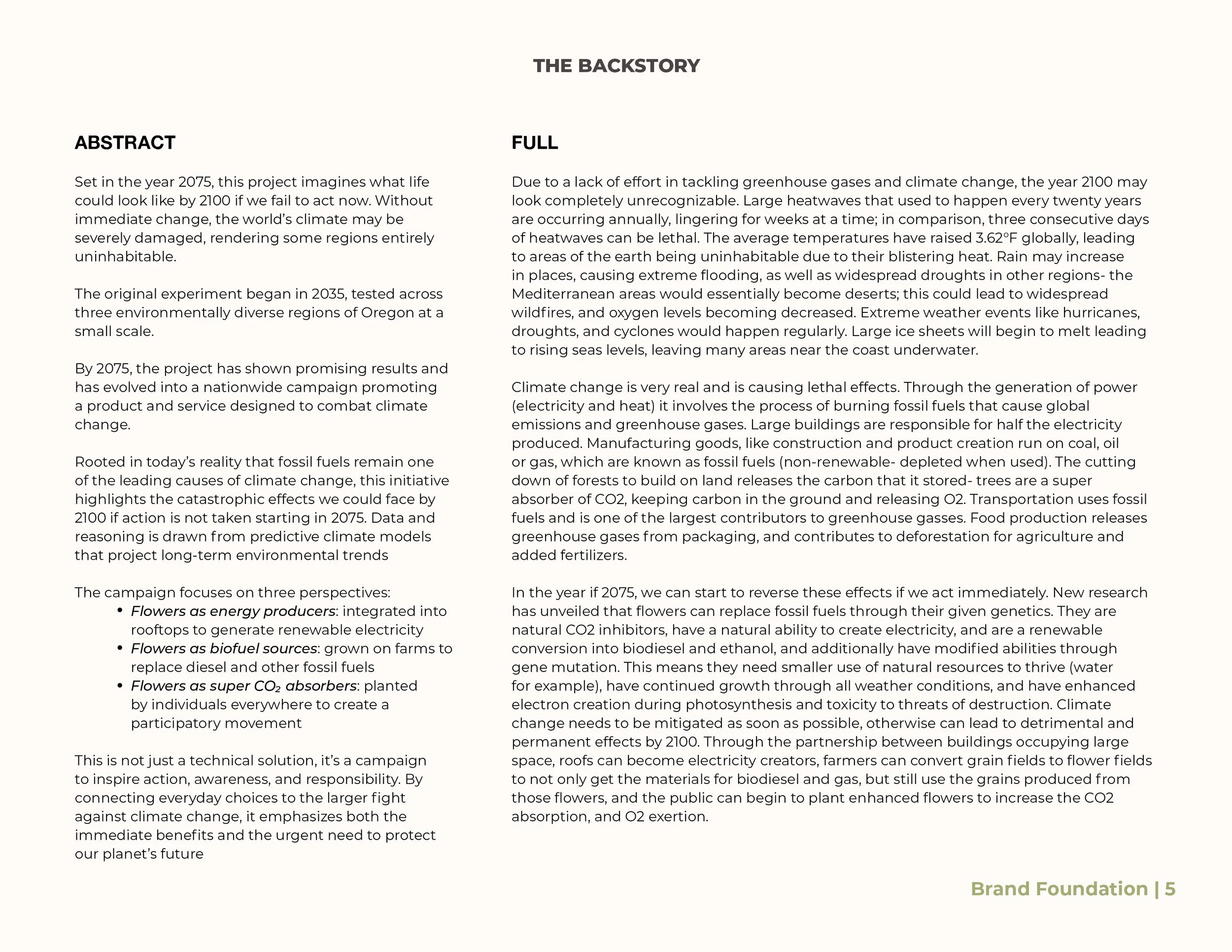
Set in the year 2075, this project imagines what the world and its climate could look like by 2100 if we fail to act now. Without immediate change, the climate may be severely damaged, rendering some regions entirely uninhabitable.
Speculative Design: a critical and artistic approach to design that uses imagined future scenarios to provoke thought and discussion about present-day issues, such as social, ethical, and technological implications. Instead of creating commercially viable products, it generates "what if" questions through provocative designs to explore alternative possibilities and help debate which futures people want or don't want.
FOCUSES
Ideation
Mood Boarding
Copy
Marketing
Branding and Visual Identity
Brand Guide
Color Theory
Showcase
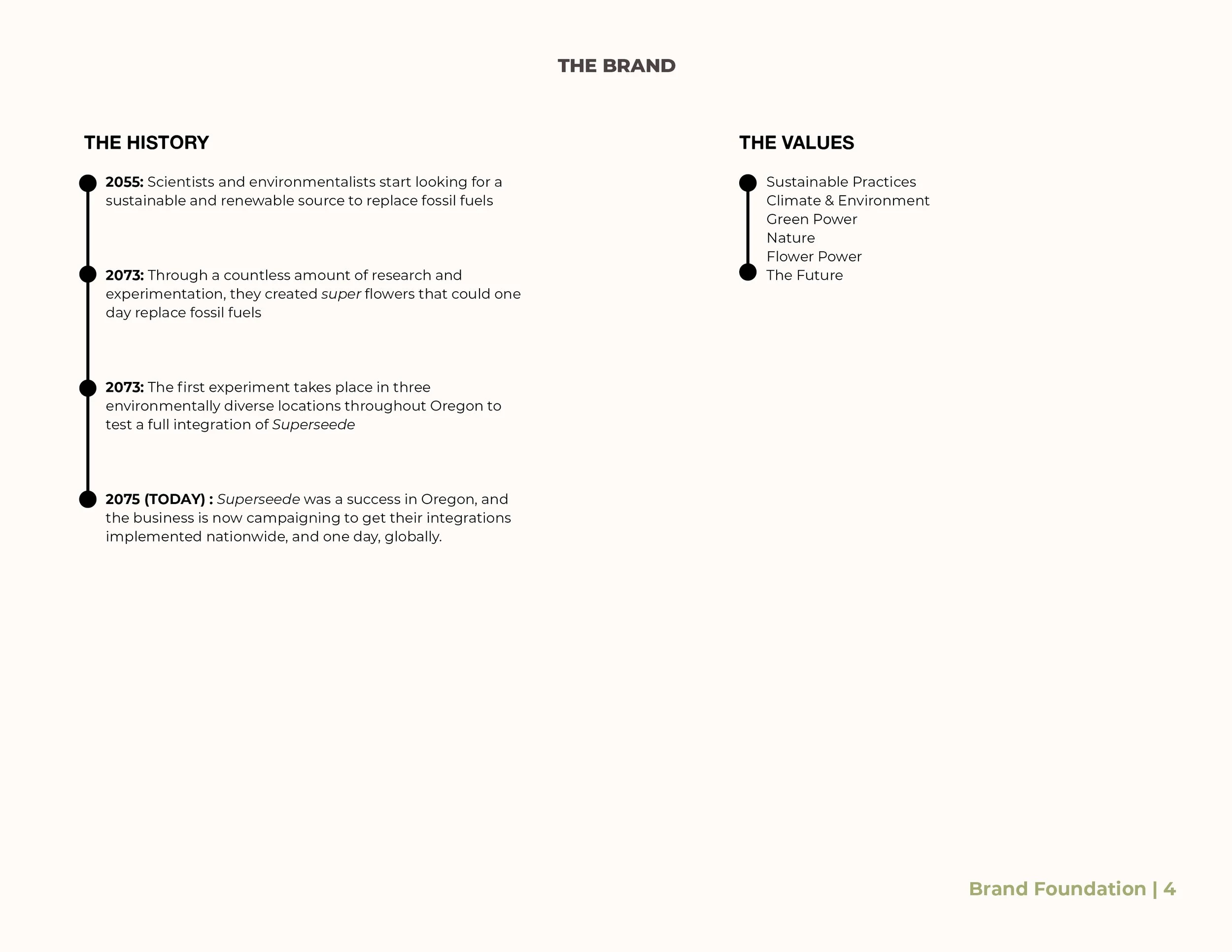
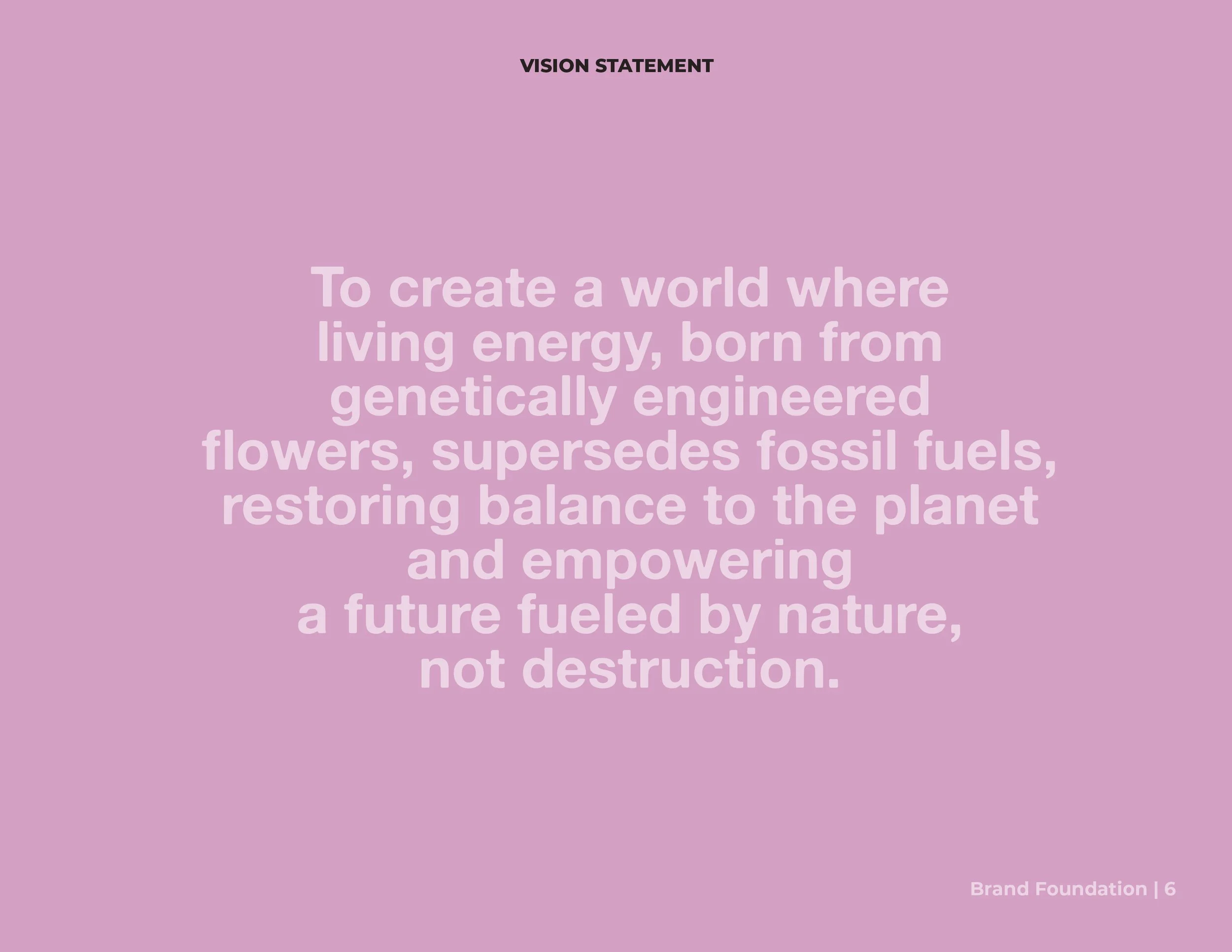
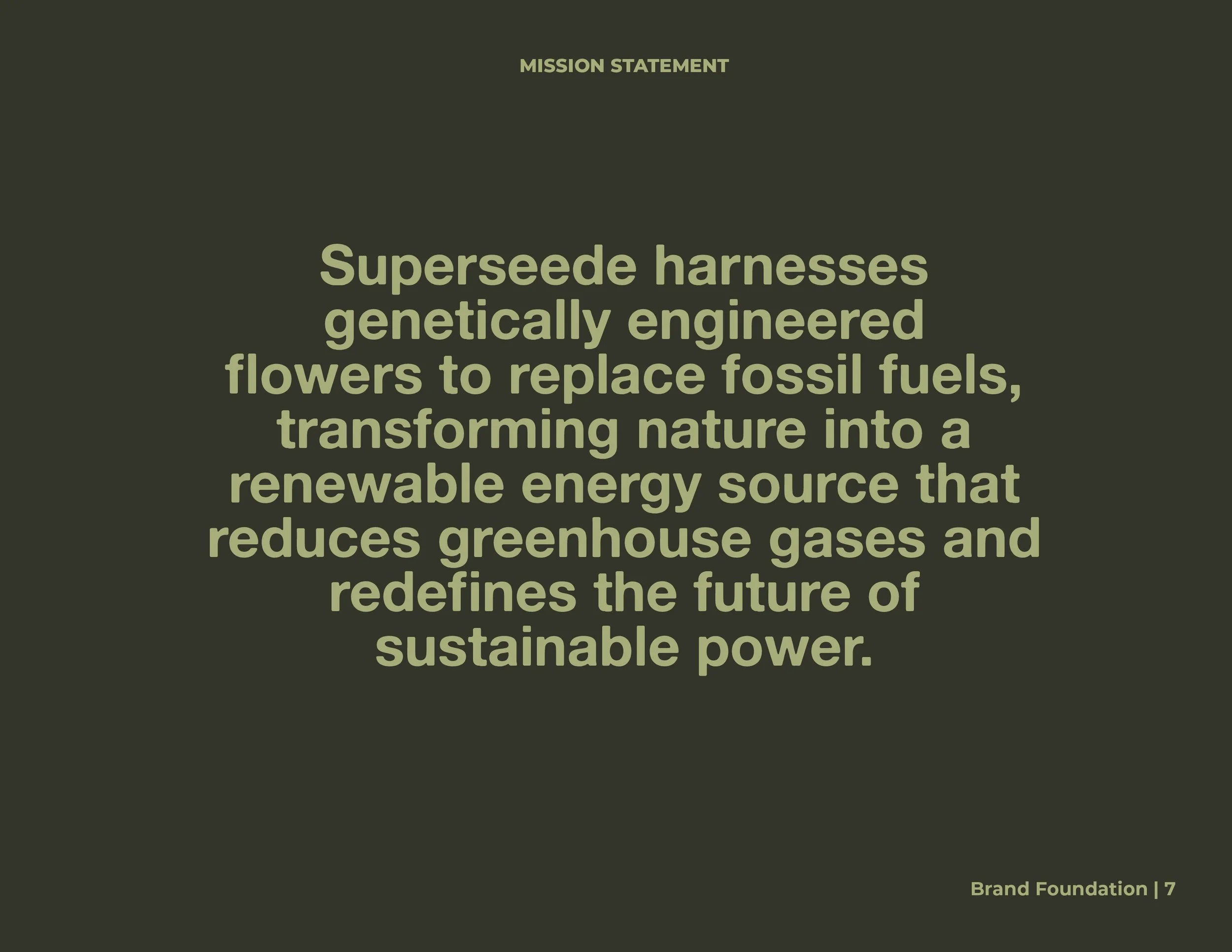
The company, Superseede, noticed that one of the leading drivers of climate change was fossil fuels. Their initiative highlights the catastrophic effects we could face by 2100 if action is not taken starting in 2075. The original experiment began in 2035, and by 2073, it was ready to be tested across three environmentally diverse regions of Oregon. The goal was to create a world where living energy, born from genetically engineered flowers, superseded fossil fuels, restoring balance to the planet and empowering a future fueled by nature, not destruction.
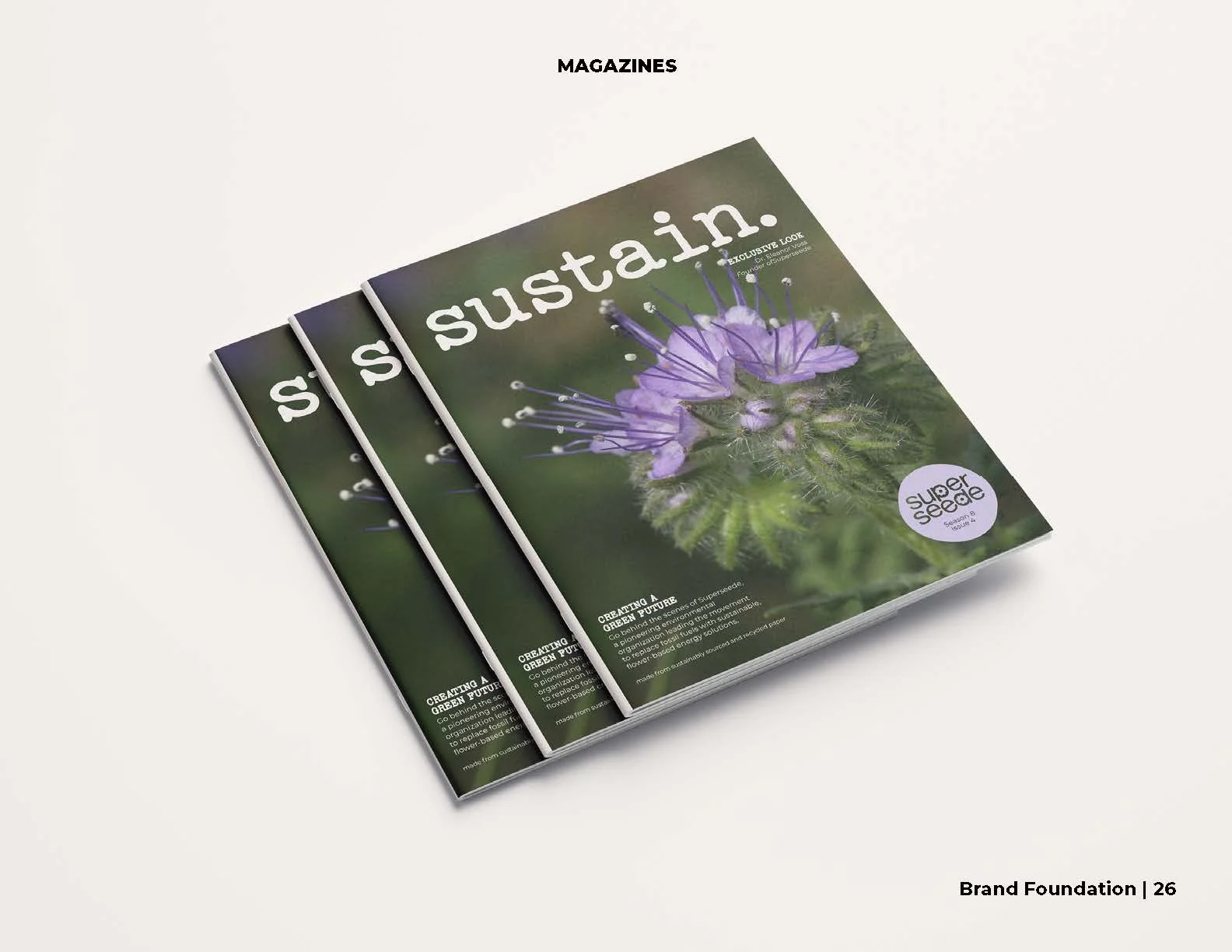
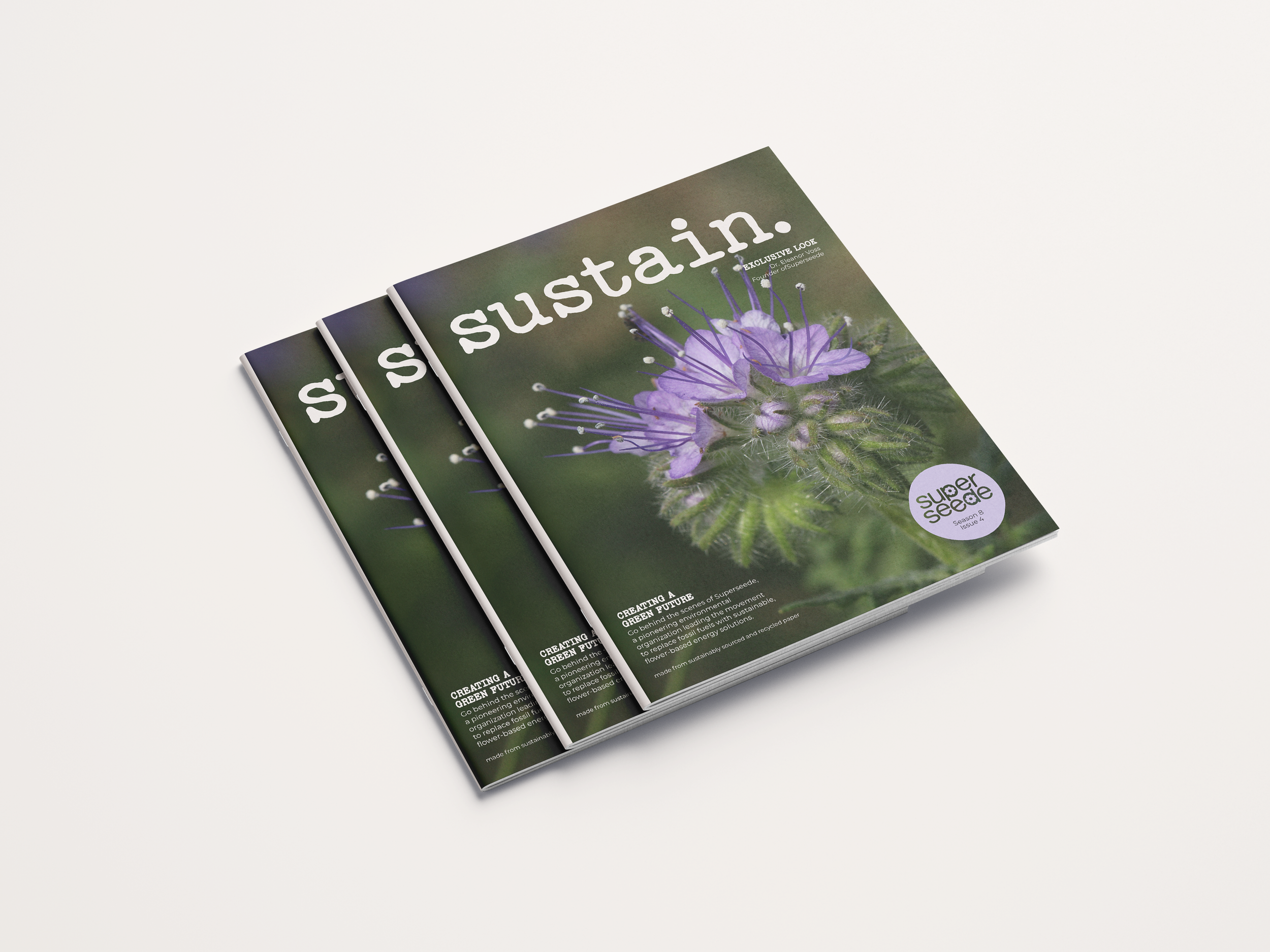
Now, in 2075, the project has shown promising results and is growing its reach through the United States, garnering attention to people of all ages (community effort involved). It was most recently highlighted in Sustain, magazine that features changemakers.
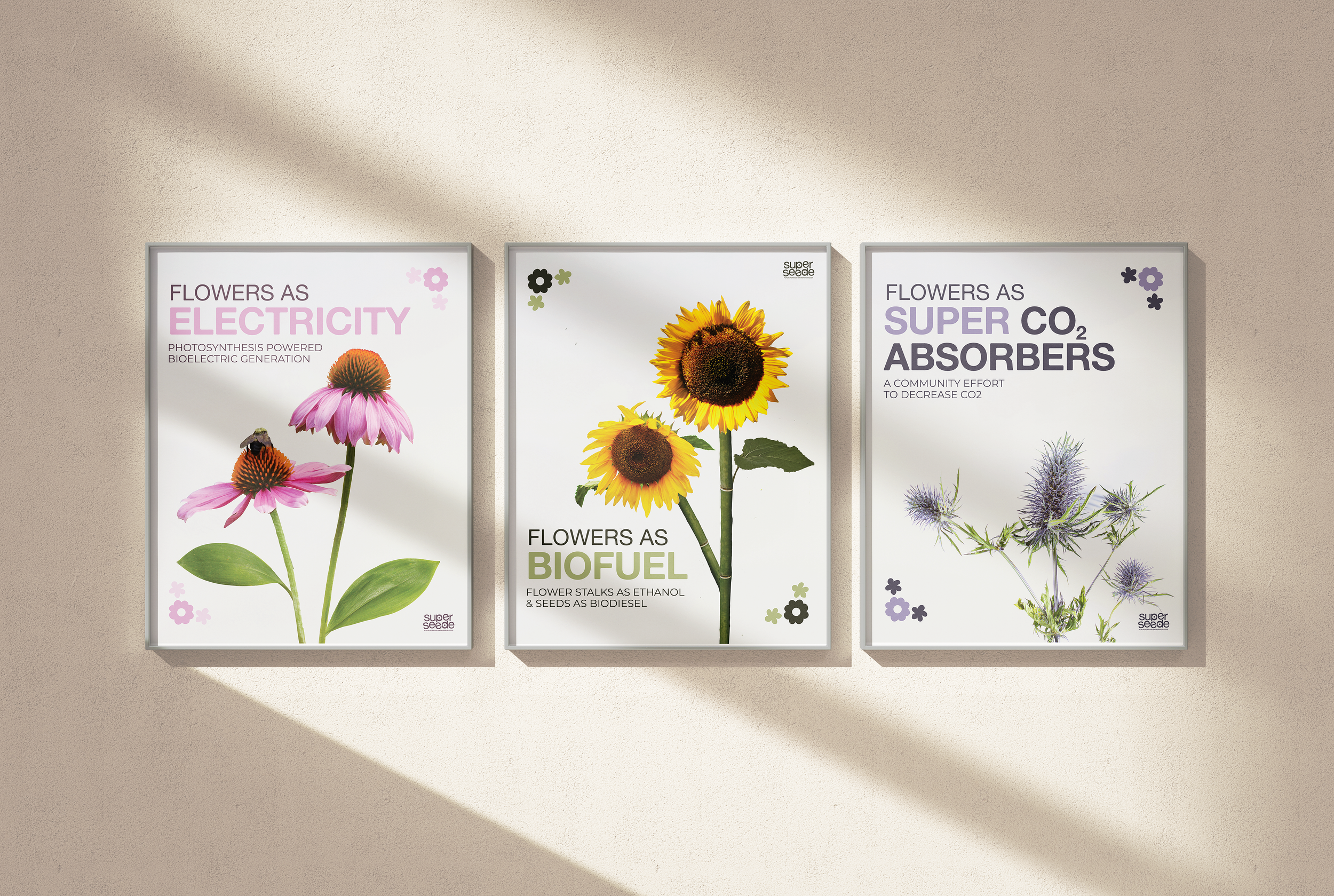
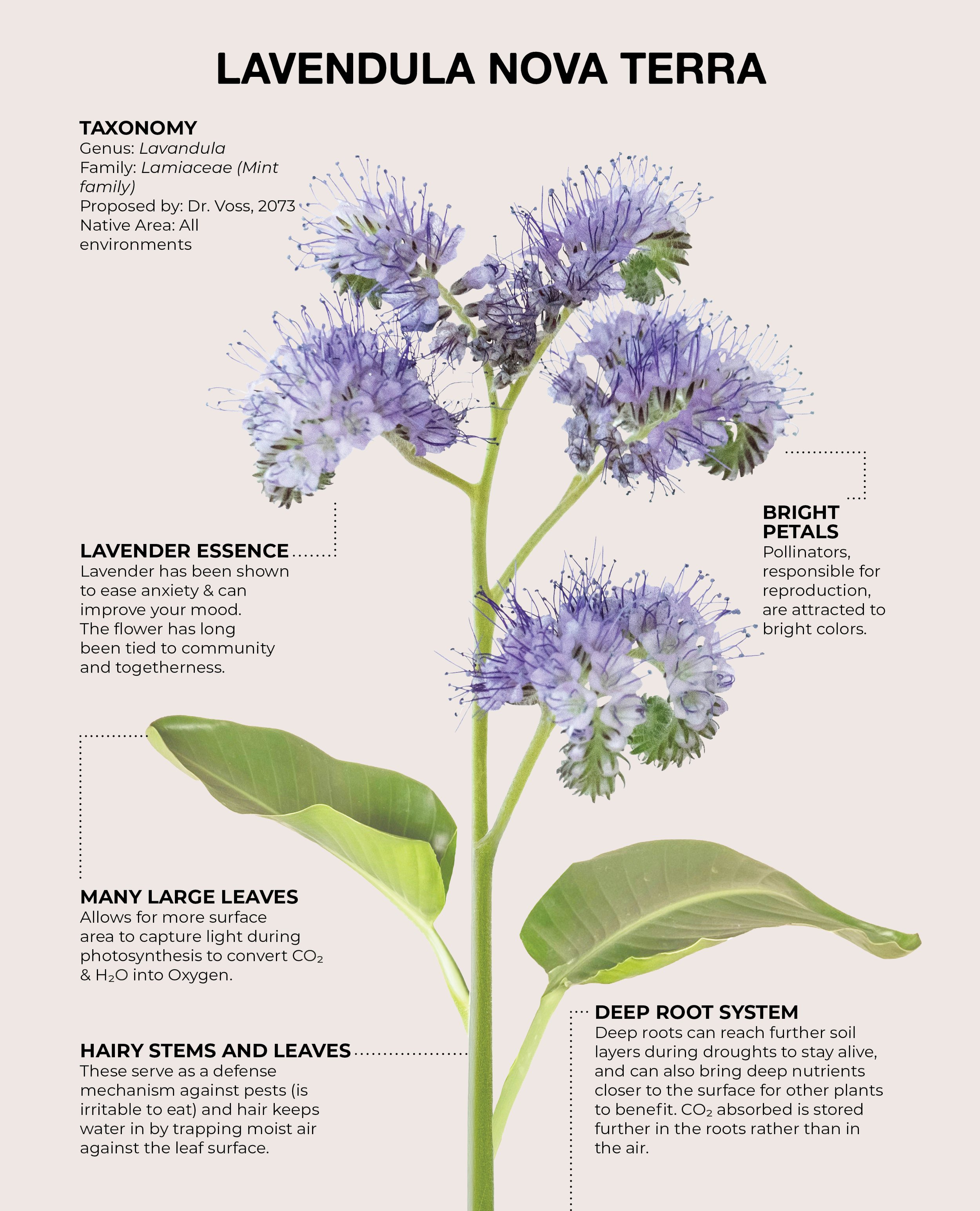
Meet the three super flowers and their genetic modifications that have made it possible for flowers to supersede fossil fuels as an energy source.
SUPER FLOWERS
-
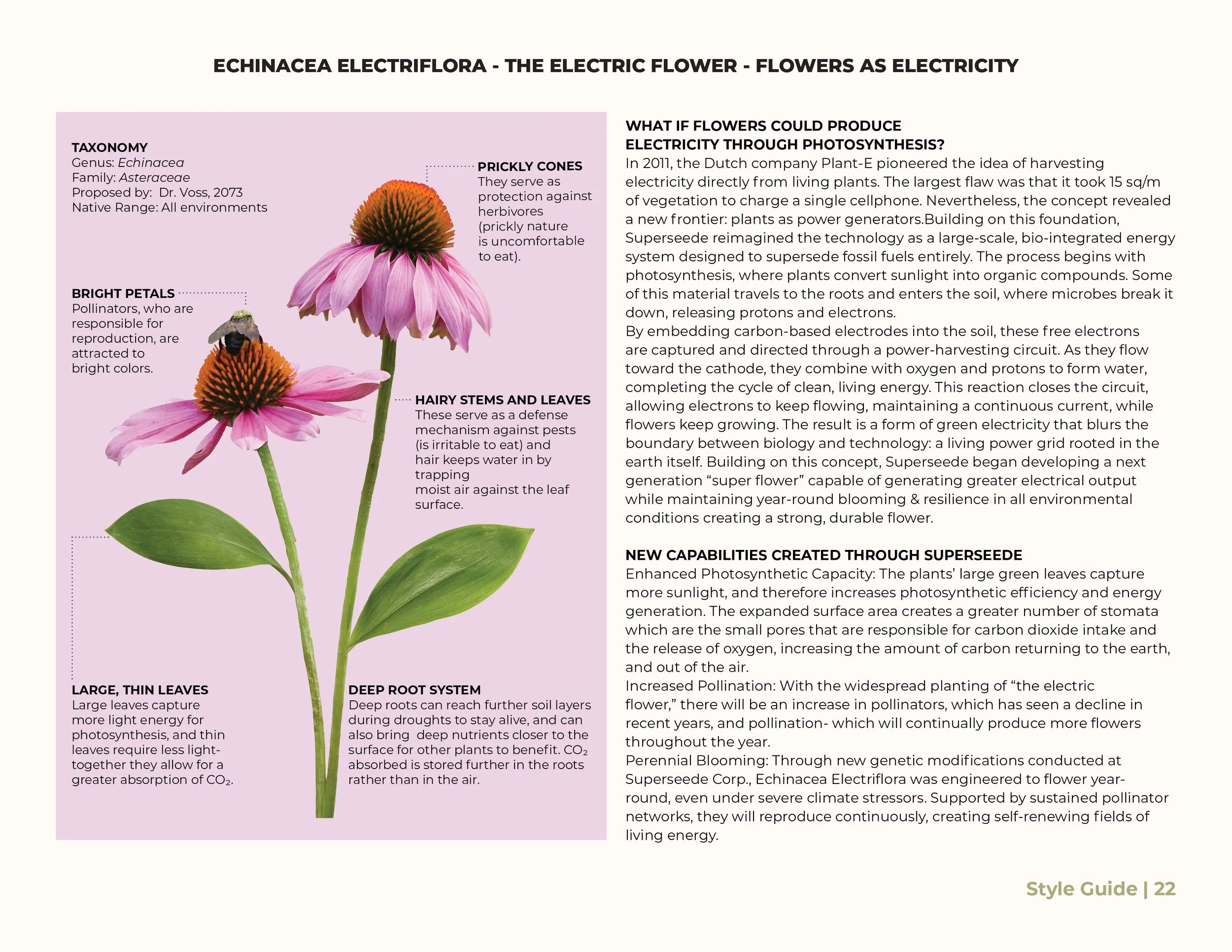
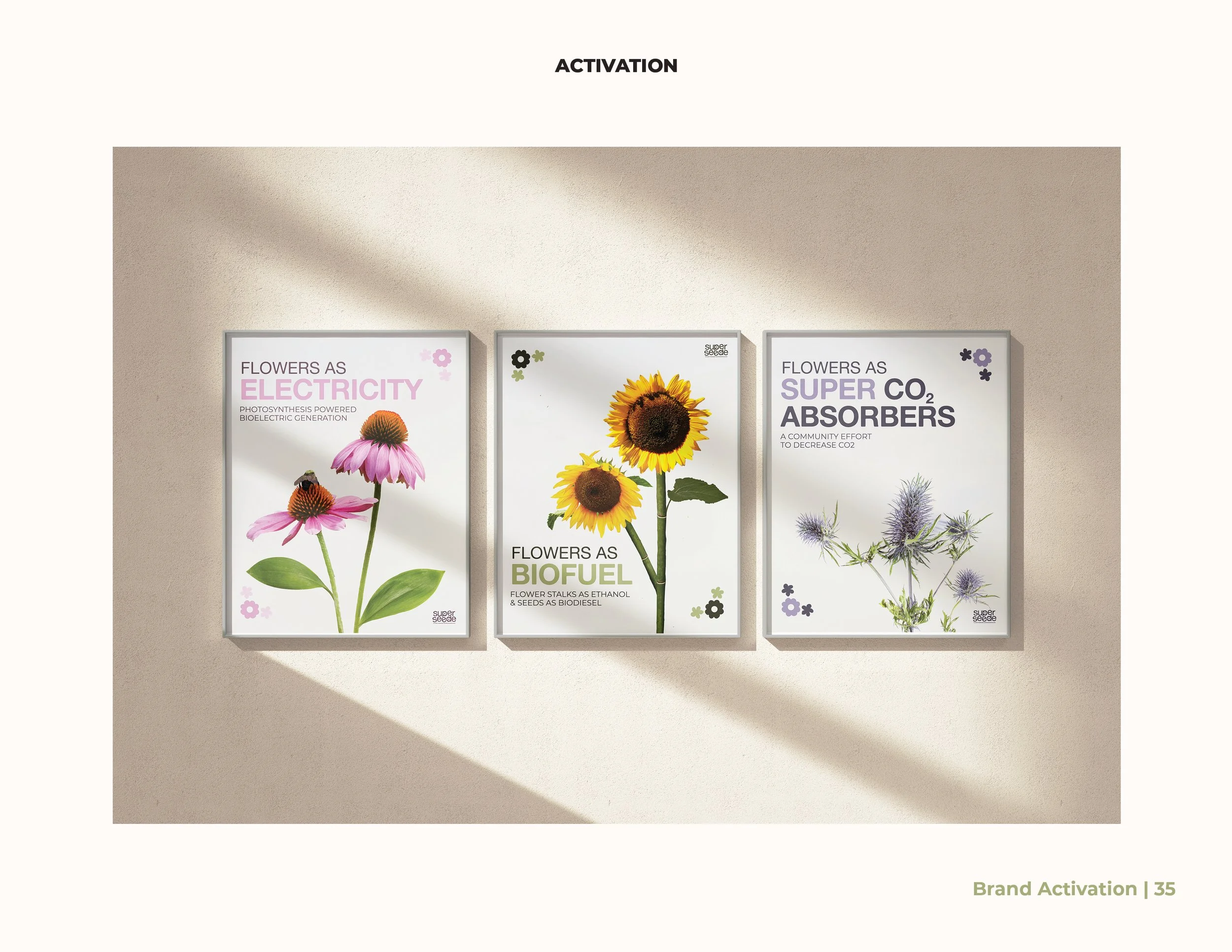
WHAT IF FLOWERS COULD PRODUCE ELECTRICITY THROUGH PHOTOSYNTHESIS?
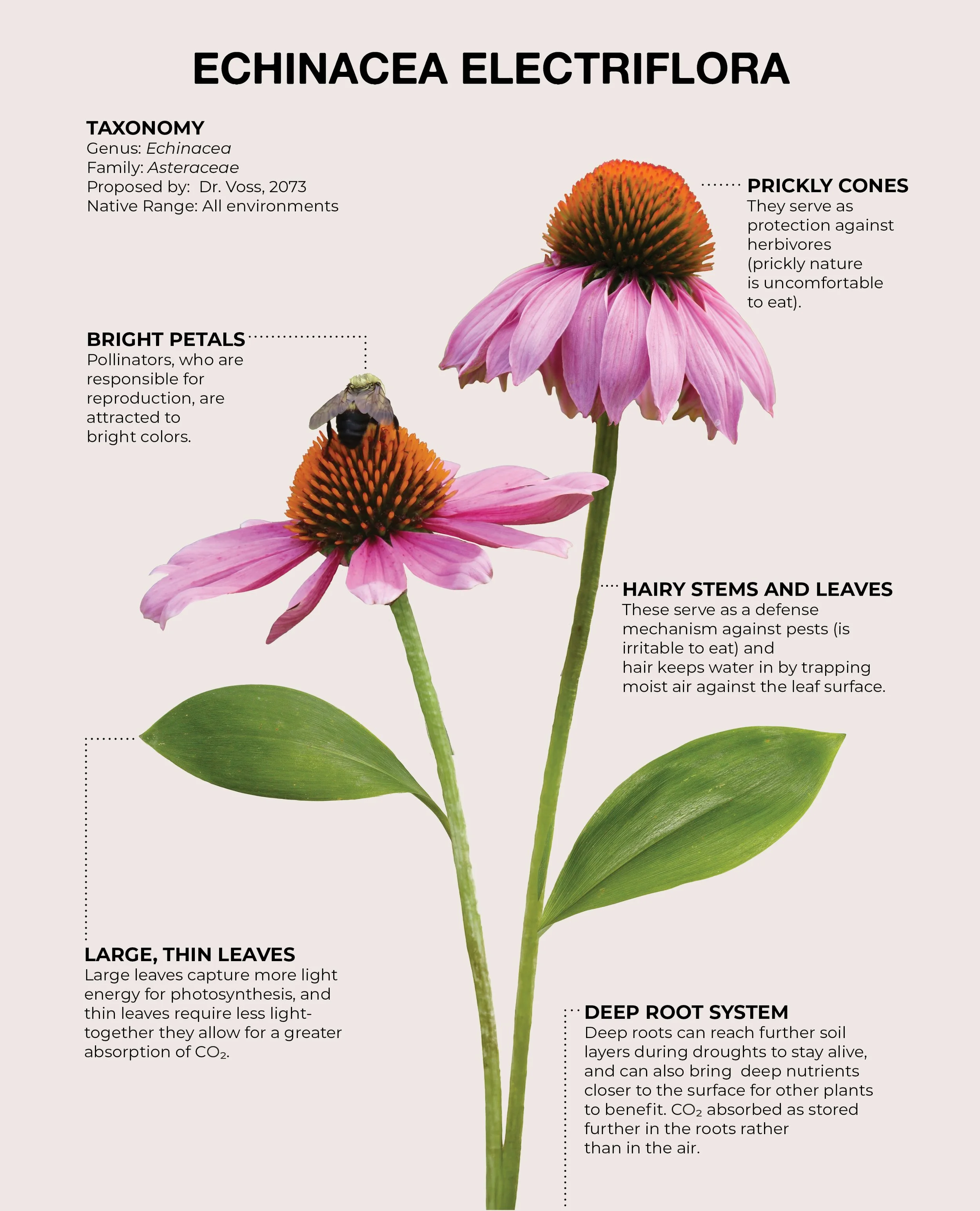
In 2011, the Dutch company Plant-E pioneered the idea of harvesting electricity directly from living plants. The largest flaw was that it took 15 sq/m of vegetation to charge a single cellphone. Nevertheless, the concept revealed a new frontier: plants as power generators.Building on this foundation, Superseede reimagined the technology as a large-scale, bio-integrated energy system designed to supersede fossil fuels entirely. The process begins with photosynthesis, where plants convert sunlight into organic compounds. Some of this material travels to the roots and enters the soil, where microbes break it down, releasing protons and electrons.
By embedding carbon-based electrodes into the soil, these free electrons are captured and directed through a power-harvesting circuit. As they flow toward the cathode, they combine with oxygen and protons to form water, completing the cycle of clean, living energy. This reaction closes the circuit, allowing electrons to keep flowing, maintaining a continuous current, while flowers keep growing. The result is a form of green electricity that blurs the boundary between biology and technology: a living power grid rooted in the earth itself. Building on this concept, Superseede began developing a next generation “super flower” capable of generating greater electrical output while maintaining year-round blooming & resilience in all environmental conditions creating a strong, durable flower.
NEW CAPABILITIES CREATED THROUGH SUPERSEEDE
Enhanced Photosynthetic Capacity: The plants’ large green leaves capture more sunlight, and therefore increases photosynthetic efficiency and energy generation. The expanded surface area creates a greater number of stomata which are the small pores that are responsible for carbon dioxide intake and the release of oxygen, increasing the amount of carbon returning to the earth, and out of the air.
Increased Pollination: With the widespread planting of “the electric flower,” there will be an increase in pollinators, which has seen a decline in recent years, and pollination- which will continually produce more flowers throughout the year.Perennial Blooming: Through new genetic modifications conducted at Superseede Corp., Echinacea Electriflora was engineered to flower year-round, even under severe climate stressors. Supported by sustained pollinator networks, they will reproduce continuously, creating self-renewing fields of living energy.
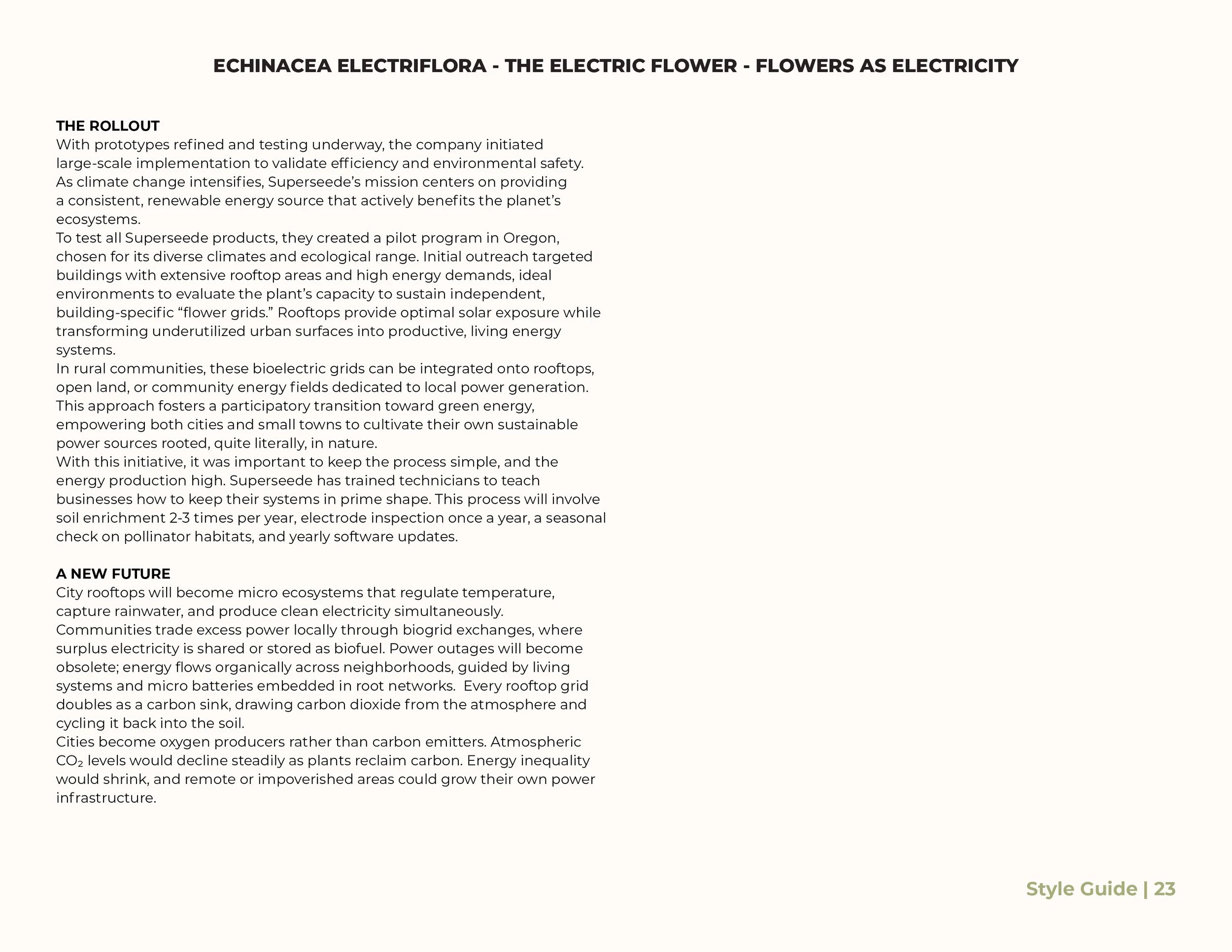
THE ROLLOUT
With prototypes refined and testing underway, the company initiated large-scale implementation to validate efficiency and environmental safety. As climate change intensifies, Superseede’s mission centers on providing a consistent, renewable energy source that actively benefits the planet’s ecosystems.
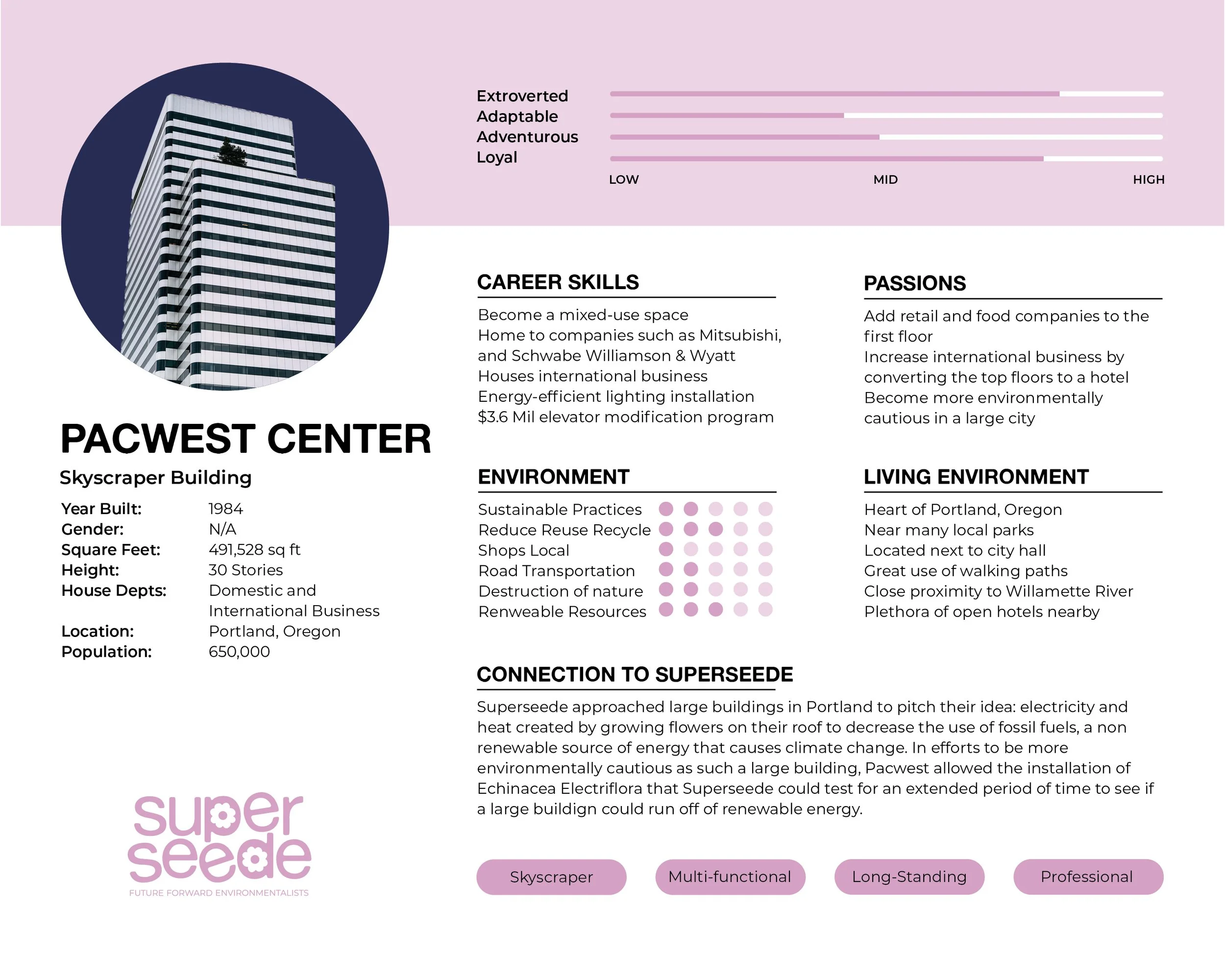
To test all Superseede products, they created a pilot program in Oregon, chosen for its diverse climates and ecological range. Initial outreach targeted buildings with extensive rooftop areas and high energy demands, ideal environments to evaluate the plant’s capacity to sustain independent, building-specific “flower grids.” Rooftops provide optimal solar exposure while transforming underutilized urban surfaces into productive, living energy systems.
In rural communities, these bioelectric grids can be integrated onto rooftops, open land, or community energy fields dedicated to local power generation. This approach fosters a participatory transition toward green energy, empowering both cities and small towns to cultivate their own sustainable power sources rooted, quite literally, in nature.
With this initiative, it was important to keep the process simple, and the energy production high. Superseede has trained technicians to teach businesses how to keep their systems in prime shape. This process will involve soil enrichment 2-3 times per year, electrode inspection once a year, a seasonal check on pollinator habitats, and yearly software updates.
A NEW FUTURE
City rooftops will become micro ecosystems that regulate temperature, capture rainwater, and produce clean electricity simultaneously.
Communities trade excess power locally through biogrid exchanges, where surplus electricity is shared or stored as biofuel. Power outages will become obsolete; energy flows organically across neighborhoods, guided by living systems and micro batteries embedded in root networks. Every rooftop grid doubles as a carbon sink, drawing carbon dioxide from the atmosphere and cycling it back into the soil.
Cities become oxygen producers rather than carbon emitters. Atmospheric CO₂ levels would decline steadily as plants reclaim carbon. Energy inequality would shrink, and remote or impoverished areas could grow their own power infrastructure.
-
WHAT IF FLOWERS COULD REPLACE GAS AND DIESEL, I.E. FOSSIL FUELS?
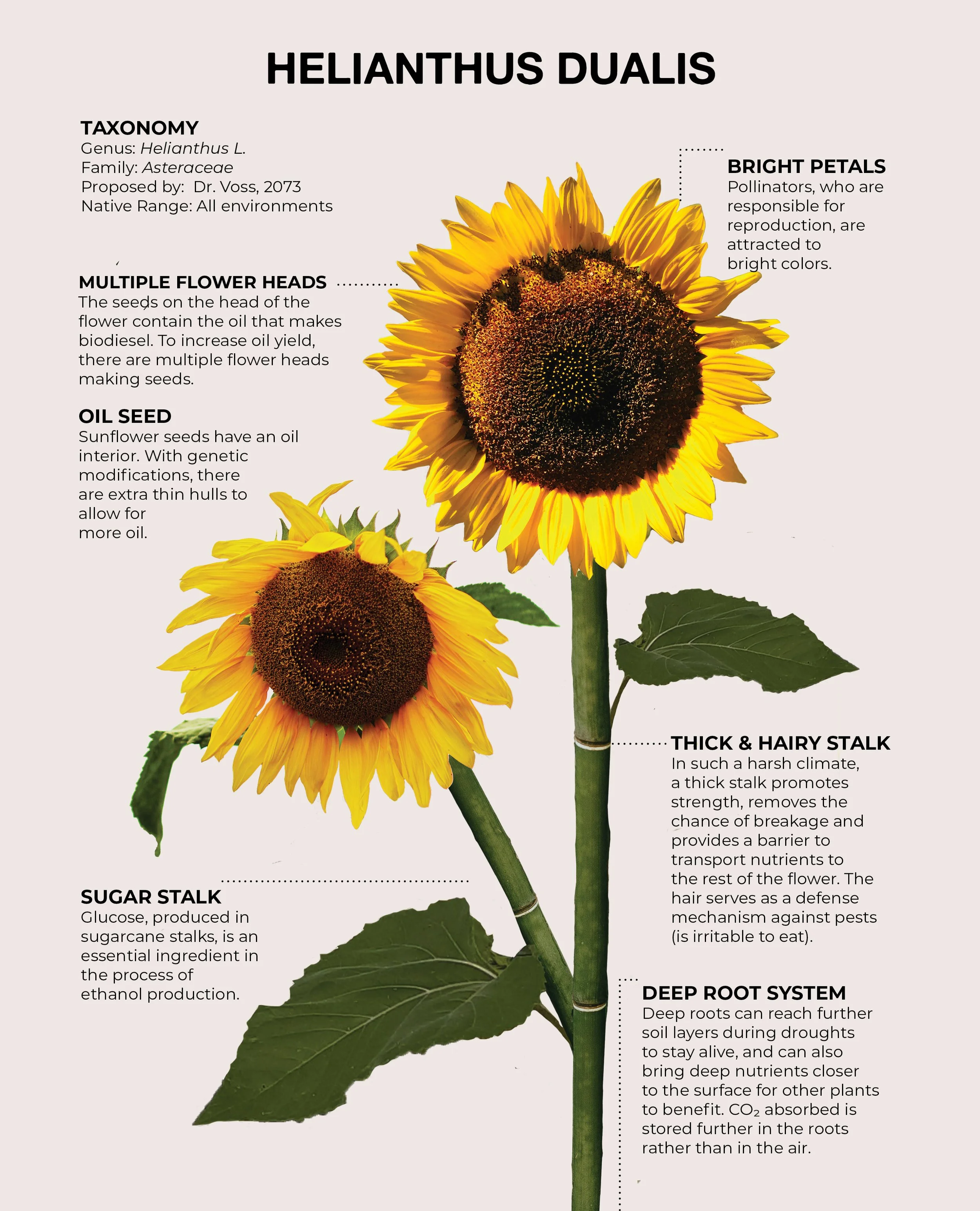
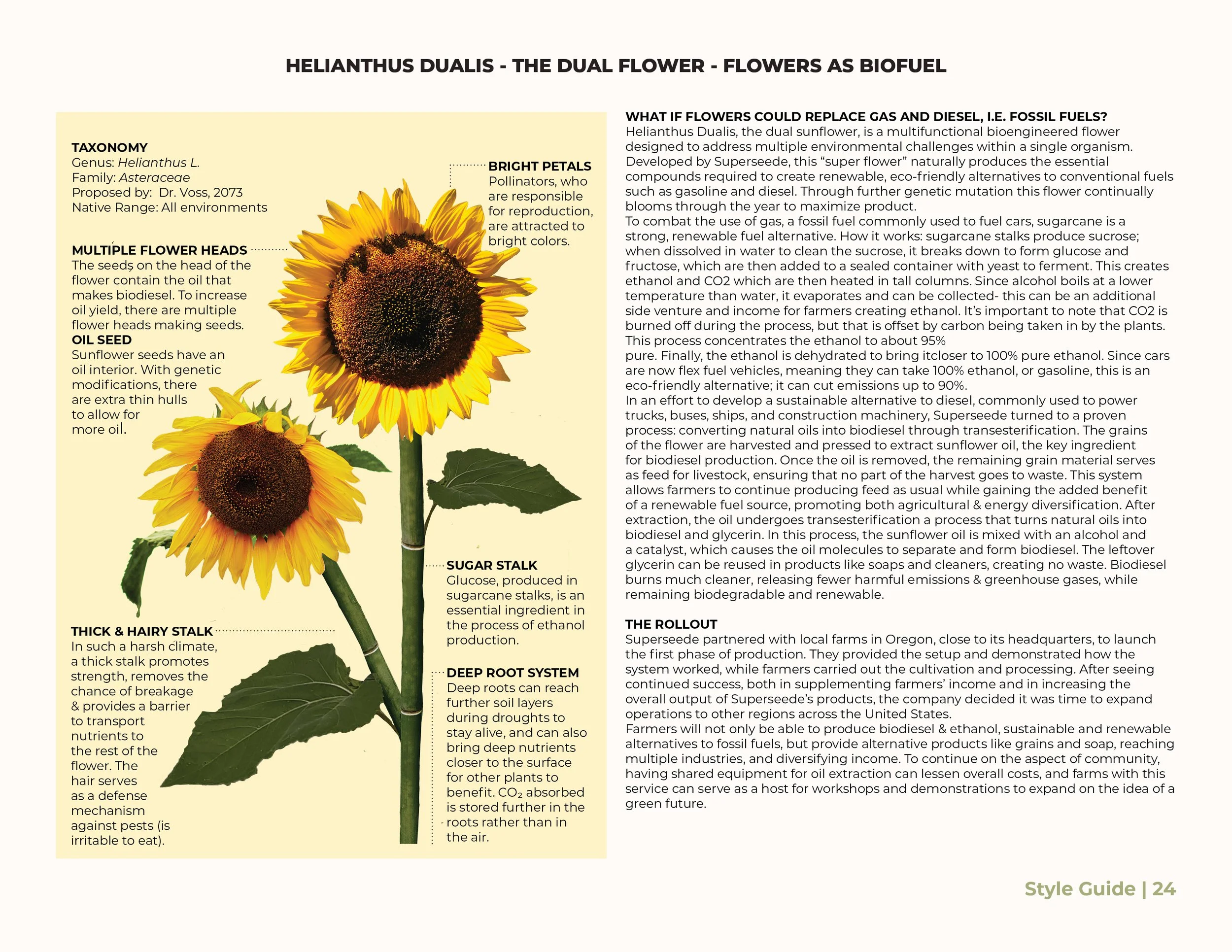
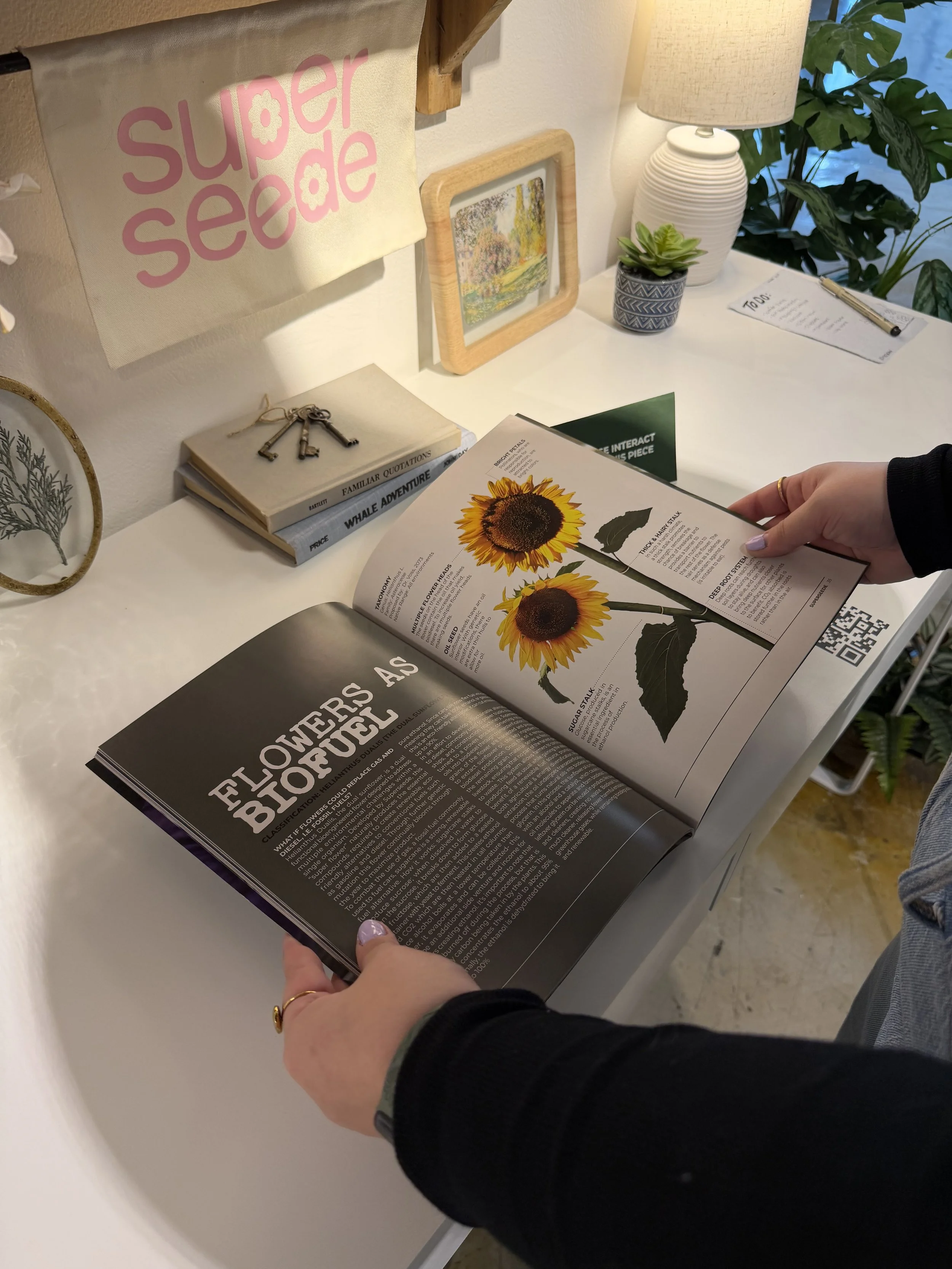
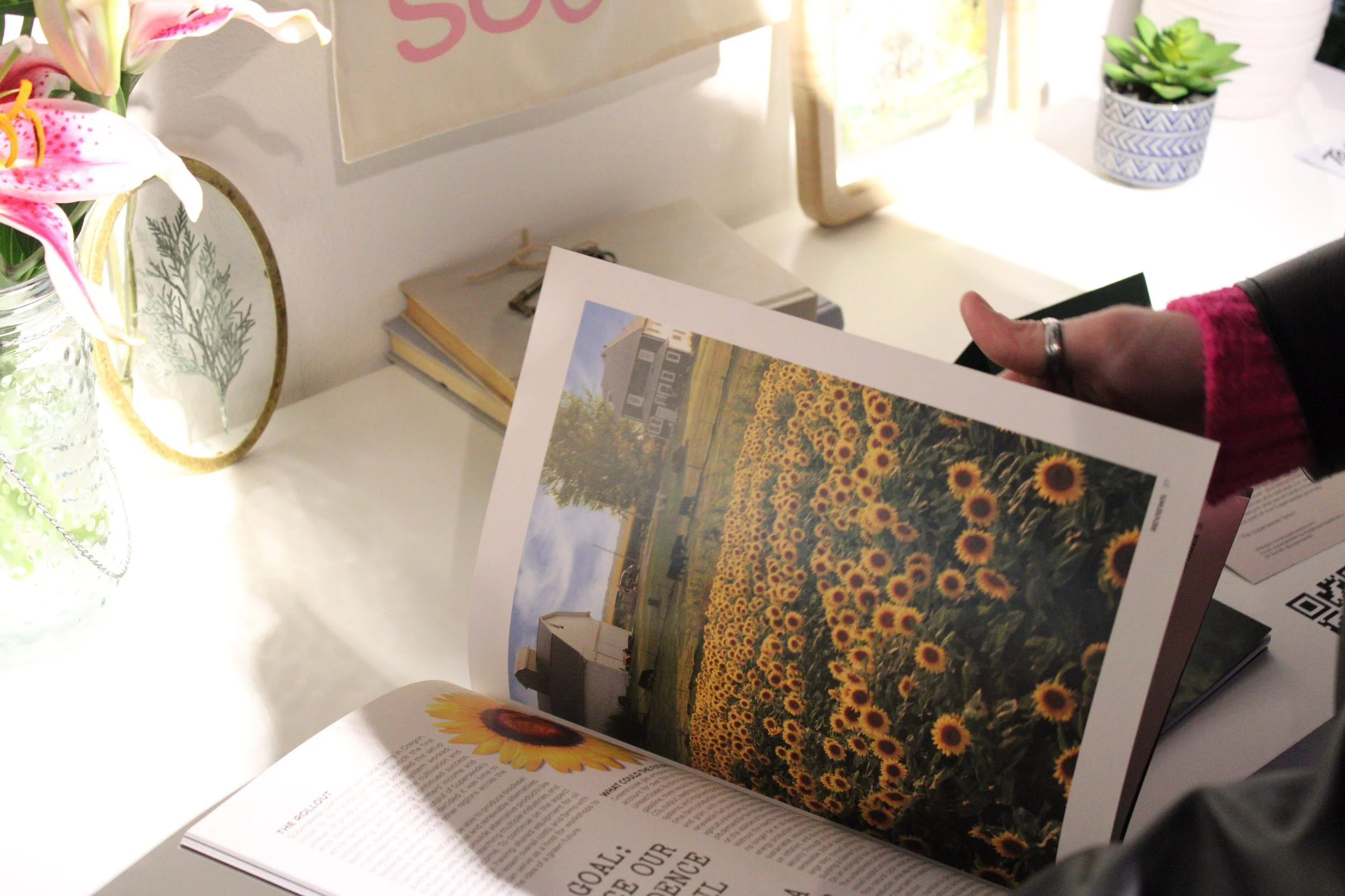
Helianthus Dualis, the dual sunflower, is a multifunctional bioengineered flower designed to address multiple environmental challenges within a single organism. Developed by Superseede, this “super flower” naturally produces the essential compounds required to create renewable, eco-friendly alternatives to conventional fuels such as gasoline and diesel. Through further genetic mutation this flower continually blooms through the year to maximize product.
To combat the use of gas, a fossil fuel commonly used to fuel cars, sugarcane is a strong, renewable fuel alternative. How it works: sugarcane stalks produce sucrose; when dissolved in water to clean the sucrose, it breaks down to form glucose and fructose, which are then added to a sealed container with yeast to ferment. This creates ethanol and CO2 which are then heated in tall columns. Since alcohol boils at a lower temperature than water, it evaporates and can be collected- this can be an additional side venture and income for farmers creating ethanol. It’s important to note that CO2 is burned off during the process, but that is offset by carbon being taken in by the plants. This process concentrates the ethanol to about 95%
pure. Finally, the ethanol is dehydrated to bring itcloser to 100% pure ethanol. Since cars are now flex fuel vehicles, meaning they can take 100% ethanol, or gasoline, this is an eco-friendly alternative; it can cut emissions up to 90%.
In an effort to develop a sustainable alternative to diesel, commonly used to power trucks, buses, ships, and construction machinery, Superseede turned to a proven process: converting natural oils into biodiesel through transesterification. The grains of the flower are harvested and pressed to extract sunflower oil, the key ingredient for biodiesel production. Once the oil is removed, the remaining grain material serves as feed for livestock, ensuring that no part of the harvest goes to waste. This system allows farmers to continue producing feed as usual while gaining the added benefit of a renewable fuel source, promoting both agricultural & energy diversification. After extraction, the oil undergoes transesterification a process that turns natural oils into biodiesel and glycerin. In this process, the sunflower oil is mixed with an alcohol and a catalyst, which causes the oil molecules to separate and form biodiesel. The leftover glycerin can be reused in products like soaps and cleaners, creating no waste. Biodiesel burns much cleaner, releasing fewer harmful emissions & greenhouse gases, while remaining biodegradable and renewable.
THE ROLLOUT
Superseede partnered with local farms in Oregon, close to its headquarters, to launch the first phase of production. They provided the setup and demonstrated how the system worked, while farmers carried out the cultivation and processing. After seeing continued success, both in supplementing farmers’ income and in increasing the overall output of Superseede’s products, the company decided it was time to expand operations to other regions across the United States.
Farmers will not only be able to produce biodiesel & ethanol, sustainable and renewable alternatives to fossil fuels, but provide alternative products like grains and soap, reaching multiple industries, and diversifying income. To continue on the aspect of community, having shared equipment for oil extraction can lessen overall costs, and farms with this service can serve as a host for workshops and demonstrations to expand on the idea of a green future.
WHAT COULD THE FUTURE LOOK LIKE?
Greenhouse gas emissions from transportation account for over 30% of total emissions in the United States. By eliminating the use of diesel and gasoline, there would be a dramatic reduction in CO₂ output, leading to cleaner air, healthier water systems, and improved public health. At the same time, farm production would expand beyond food and grain, with new opportunities for growing renewable fuel sources and supporting a circular agricultural economy. There would be an increase in job demand for farming and agriculture, expanding on the abilities of the economy.
Without the need for imported oil, the U.S. would no longer be an oil-dependent nation. Instead, energy production would become localized and sustainable, reducing the impact of gas prices on inflation, and strengthening national energy security. Through a full transition to Superseede’s renewable biofuel system, the U.S. could take a large step toward achieving net-zero emissions, building a cleaner future.
On an ecological level, pollination would flourish. The widespread cultivation of Superseede flowers would support an increase in pollinator populations. This natural cycle would ensure continued fuel production, while also restoring balance to ecosystems that have been disrupted by industrial agriculture and pollution.
Finally, a transition to plant-based energy would bring a profound social and cultural impact. Communities could take pride in producing their own renewable fuel, transforming energy generation into a shared, participatory effort.
-
WHAT IF FLOWERS COULD ABSORB EXCESS CO2 & BECOME A COMMUNITY EFFORT?
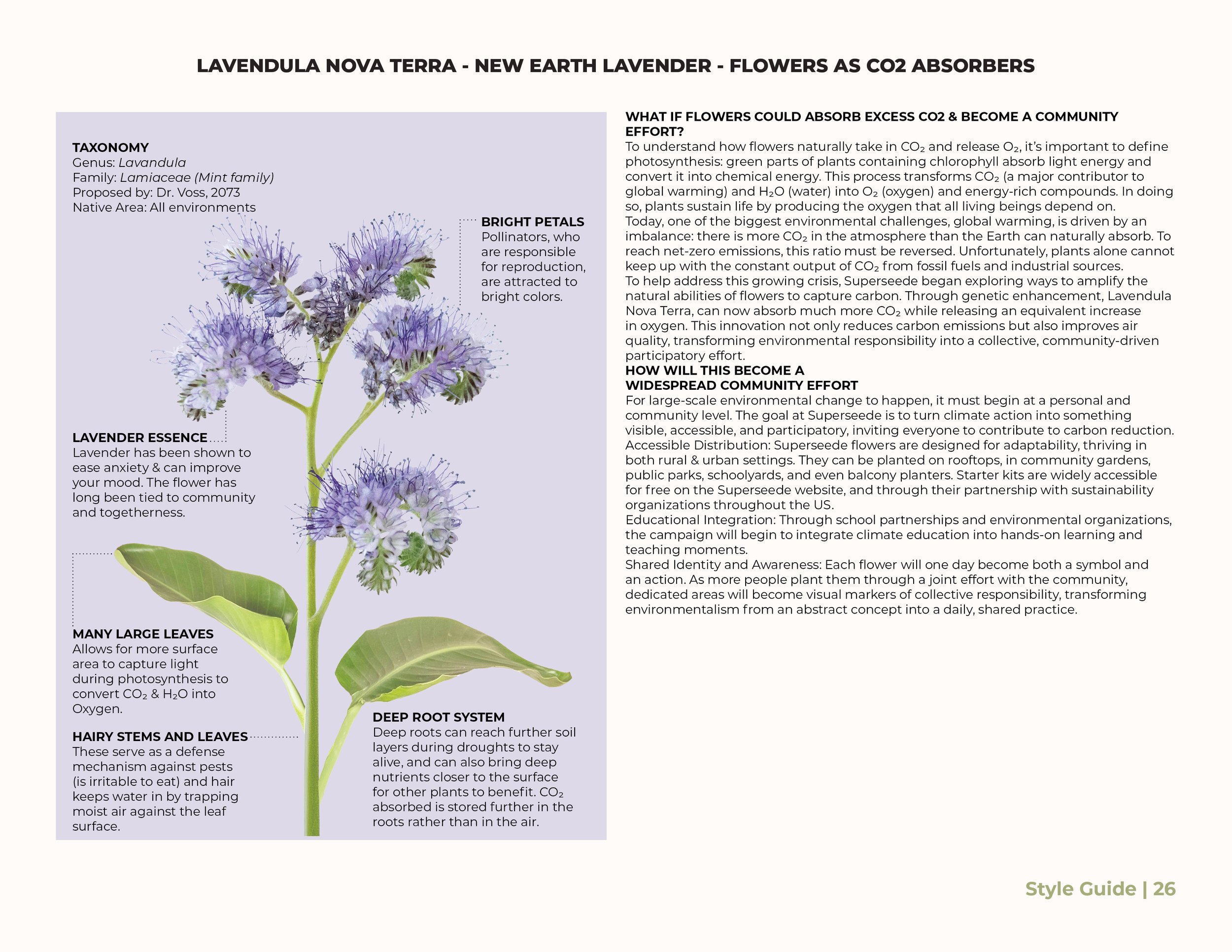
To understand how flowers naturally take in CO₂ and release O₂, it’s important to define photosynthesis: green parts of plants containing chlorophyll absorb light energy and convert it into chemical energy. This process transforms CO₂ (a major contributor to global warming) and H₂O (water) into O₂ (oxygen) and energy-rich compounds. In doing so, plants sustain life by producing the oxygen that all living beings depend on.
Today, one of the biggest environmental challenges, global warming, is driven by an imbalance: there is more CO₂ in the atmosphere than the Earth can naturally absorb. To reach net-zero emissions, this ratio must be reversed. Unfortunately, plants alone cannot keep up with the constant output of CO₂ from fossil fuels and industrial sources.
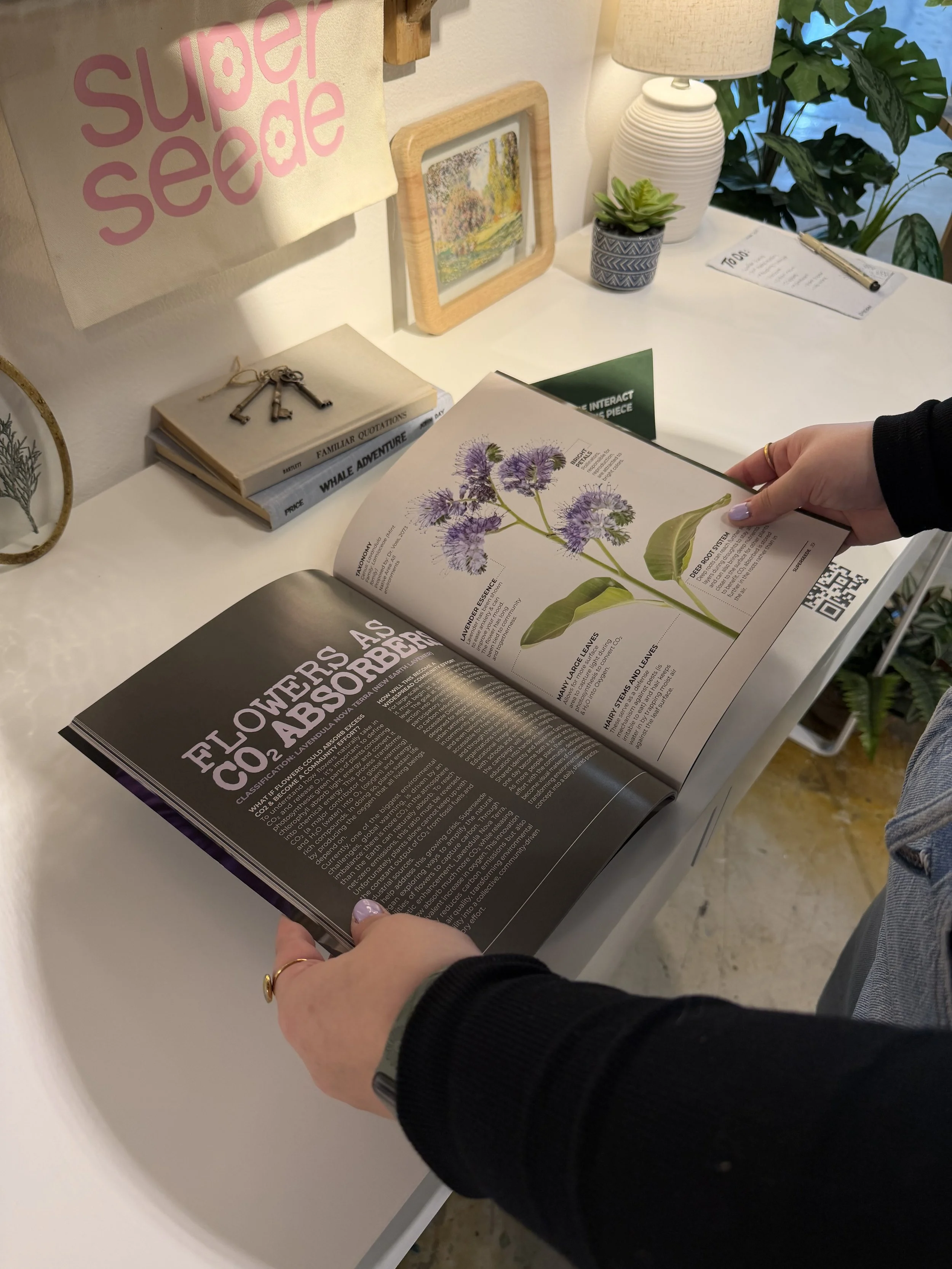
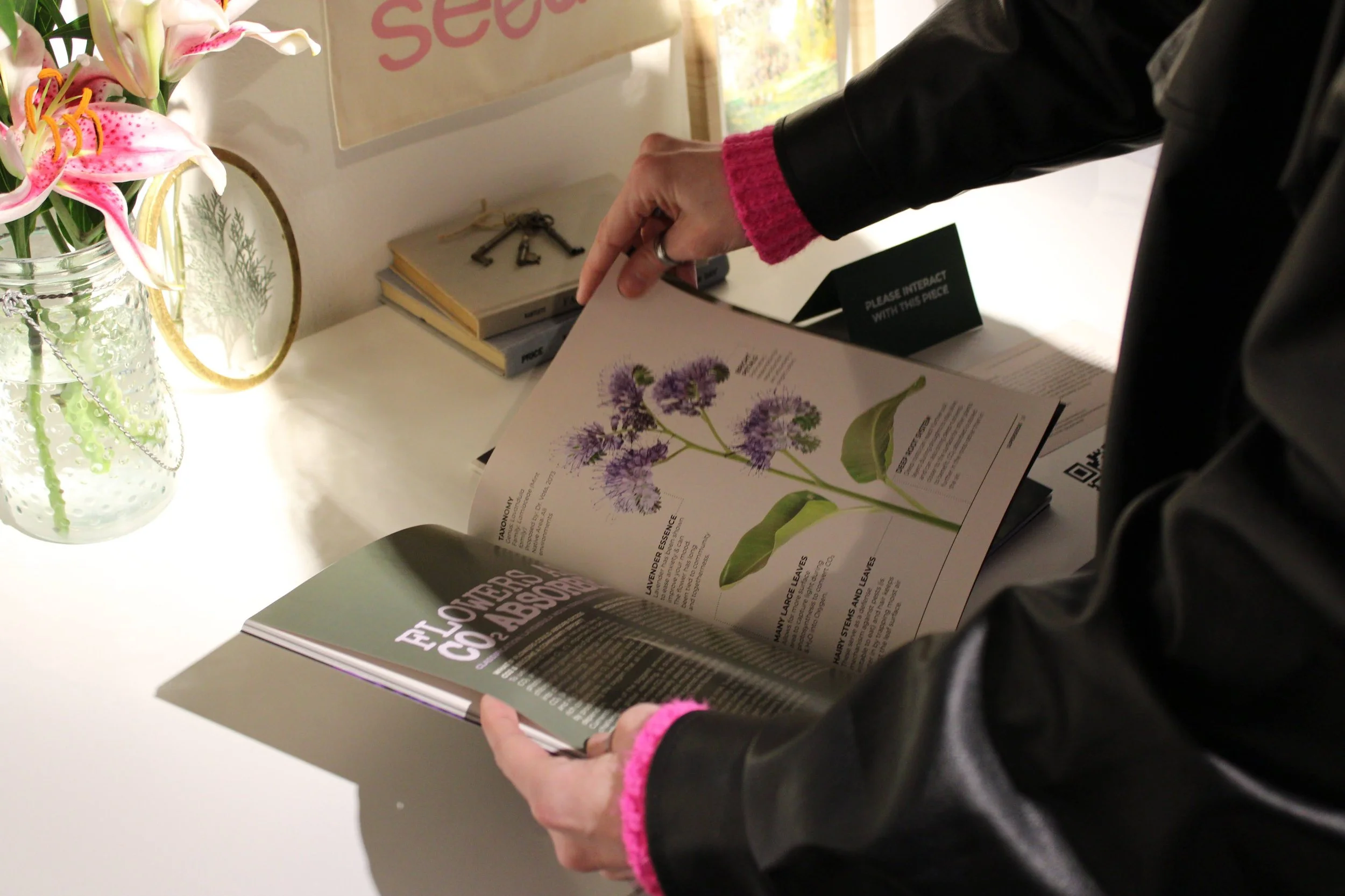
To help address this growing crisis, Superseede began exploring ways to amplify the natural abilities of flowers to capture carbon. Through genetic enhancement, Lavendula Nova Terra, can now absorb much more CO₂ while releasing an equivalent increase in oxygen. This innovation not only reduces carbon emissions but also improves air quality, transforming environmental responsibility into a collective, community-driven participatory effort.
HOW WILL THIS BECOME A WIDESPREAD COMMUNITY EFFORT
For large-scale environmental change to happen, it must begin at a personal and community level. The goal at Superseede is to turn climate action into something visible, accessible, and participatory, inviting everyone to contribute to carbon reduction.
Accessible Distribution: Superseede flowers are designed for adaptability, thriving in both rural & urban settings. They can be planted on rooftops, in community gardens, public parks, schoolyards, and even balcony planters. Starter kits are widely accessible for free on the Superseede website, and through their partnership with sustainability organizations throughout the US.
Educational Integration: Through school partnerships and environmental organizations, the campaign will begin to integrate climate education into hands-on learning and teaching moments.
Shared Identity and Awareness: Each flower will one day become both a symbol and an action. As more people plant them through a joint effort with the community, dedicated areas will become visual markers of collective responsibility, transforming environmentalism from an abstract concept into a daily, shared practice.
HOW YOU CAN PARTICIPATE
This initiative is designed as a participatory effort- a climate project that anyone can be part of. Whether you live in a city apartment, a suburban home, or a rural area, every flower planted contributes to a collective mission: restoring balance to our planet’s atmosphere.
With rapid population growth & expanding construction, many people may feel discouraged, assuming they lack the space or resources to make a difference. Superseede was created to remove those barriers and make participation simple, adaptable, and meaningful. Afterall, it takes more than one person to reverse climate change, it takes a community.
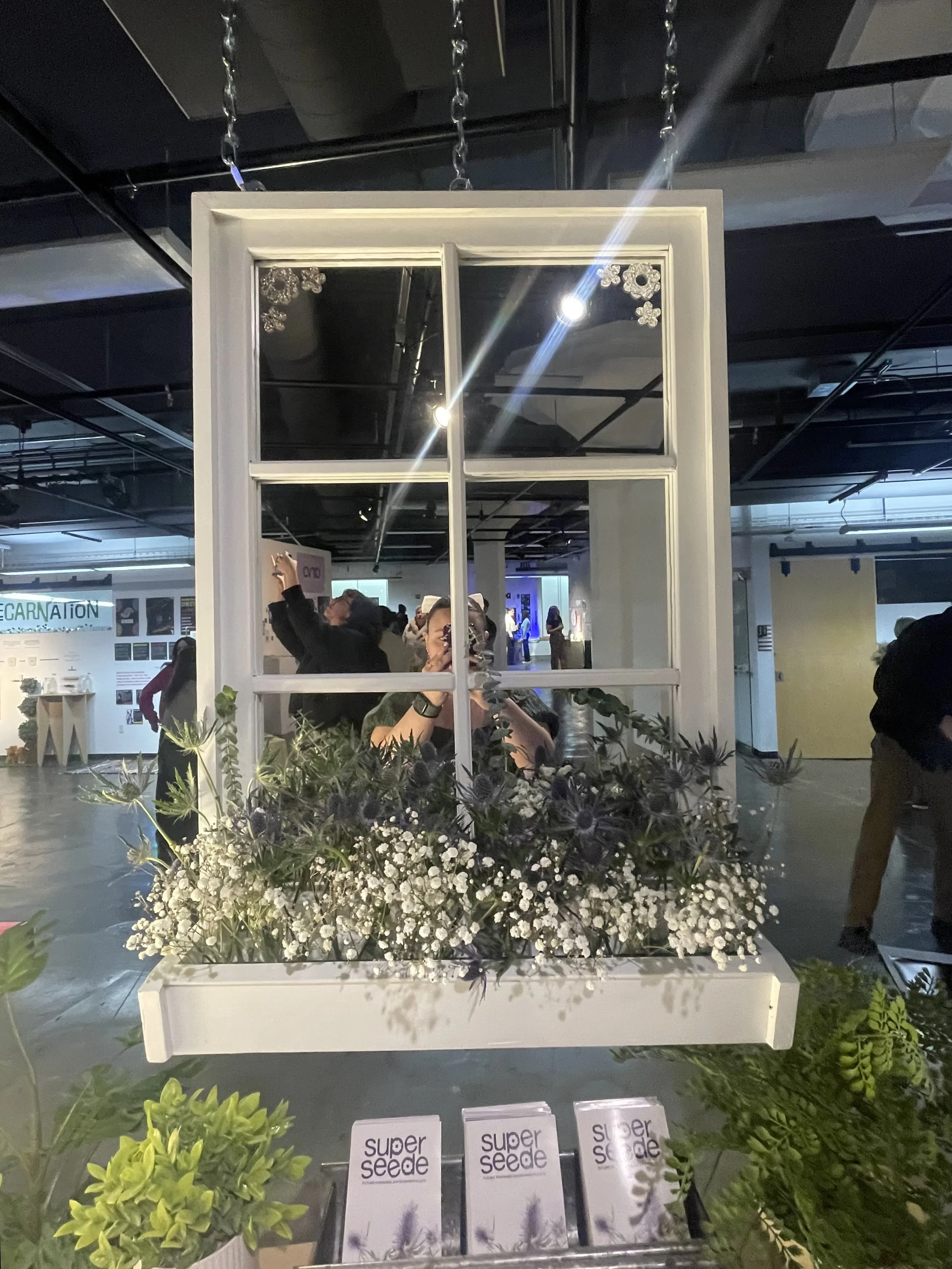
For those living in urban areas, Superseede window boxes offer an easy way to join the movement. Available through the Superseede site, these compact systems transform balconies and windowsills into miniature carbon-absorbing gardens.
For landowners or those with larger outdoor spaces, consider transforming your property into a flower sanctuary; a living ecosystem that supports pollinators, improves air quality, and contributes to nationwide carbon reduction.
Another added benefit: It’s positive impact on pollinators including bees, butterflies, and other vital species that keep ecosystems in balance. As Superseede flowers bloom, they provide a consistent source of nectar and pollen throughout the year, helping sustain declining pollinator populations affected by habitat loss and climate change.This renewed activity not only strengthens biodiversity but also supports local agriculture and food production, as pollinators are responsible for fertilizing much of the world’s plant life. By planting Superseede flowers, participants contribute to a network of interconnected habitats, turning cities, suburbs, and rural spaces into thriving areas of ecological restoration.
WHAT COULD THE FUTURE LOOK LIKE?
Urban environments could transform into living community ecosystems, where every window ledge, and public space contributes to mitigating climate change. Cities would no longer be defined solely by concrete and steel, but by networks of flowering structures; self-sustaining systems that produce energy, purify the air, and encourage biodiversity.
These spaces would bring people together; residents, students, and local organizations collaborating to maintain and expand green infrastructure.
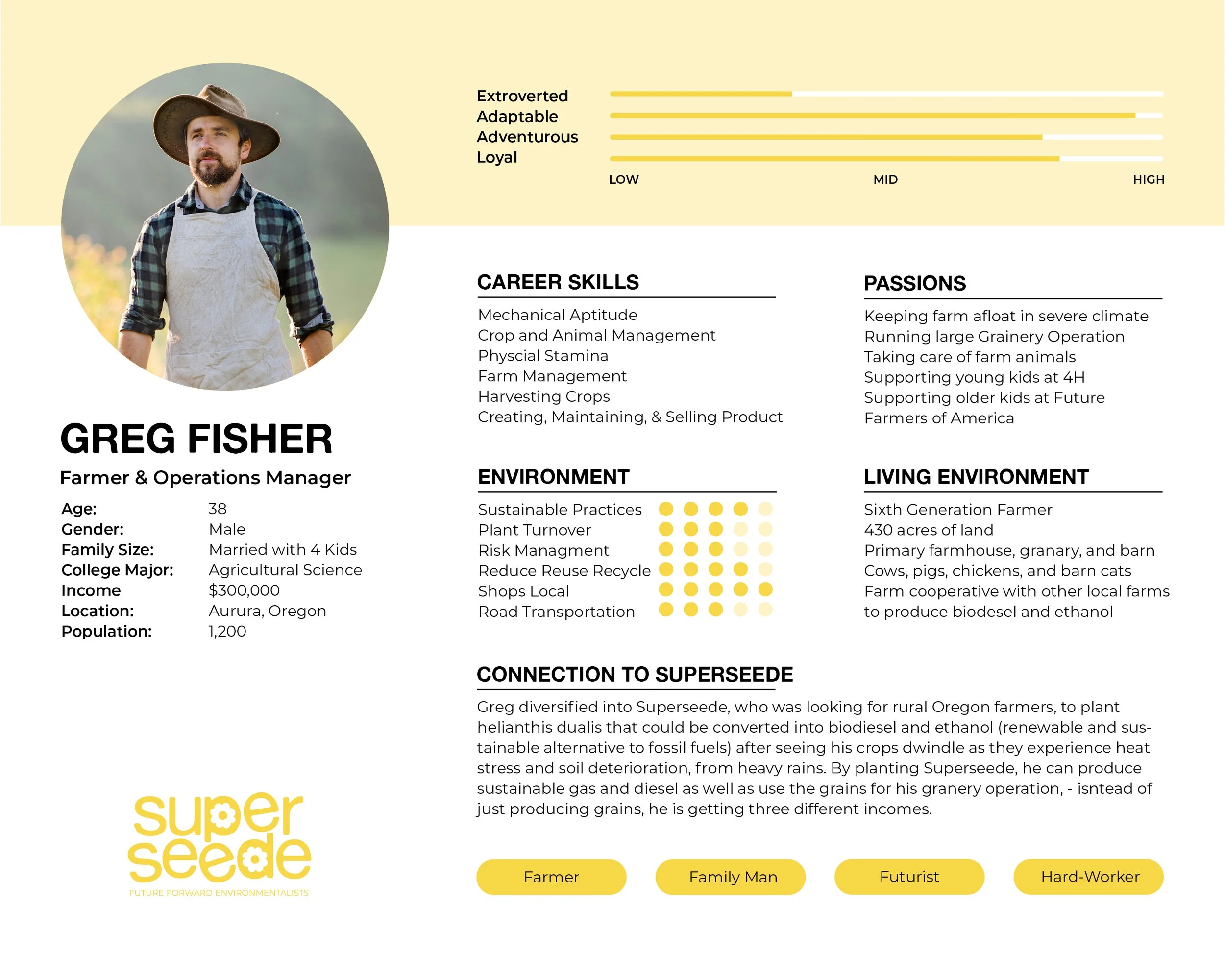
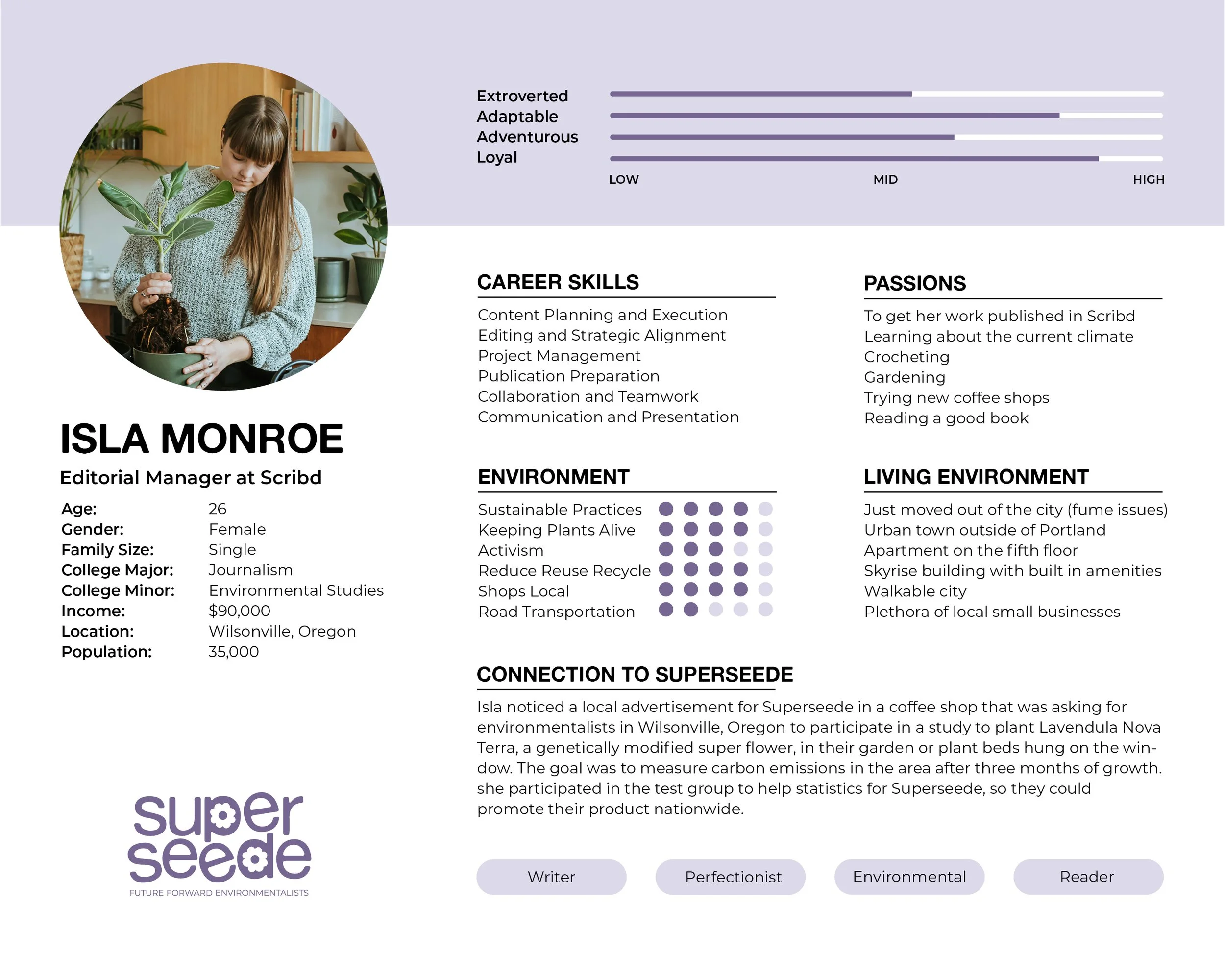
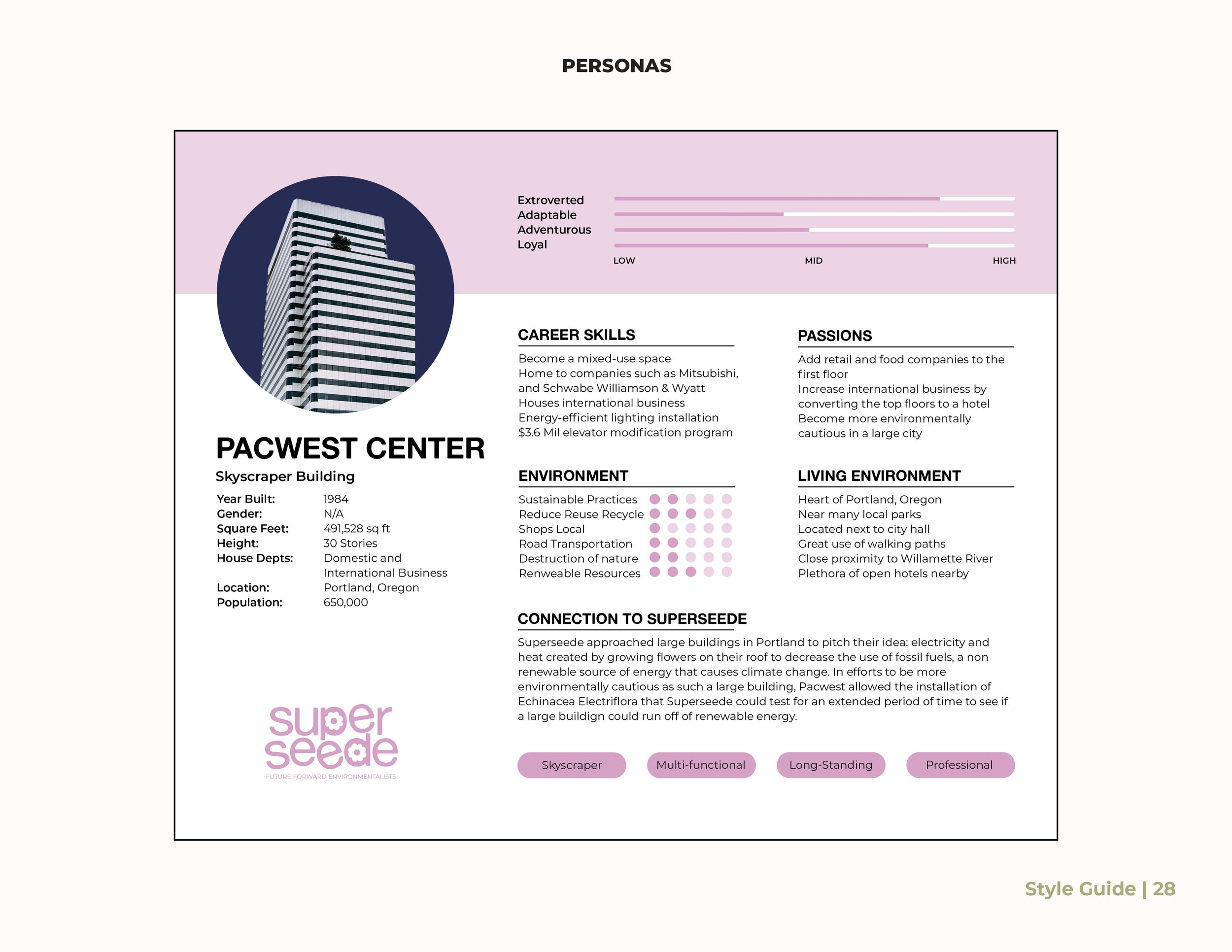
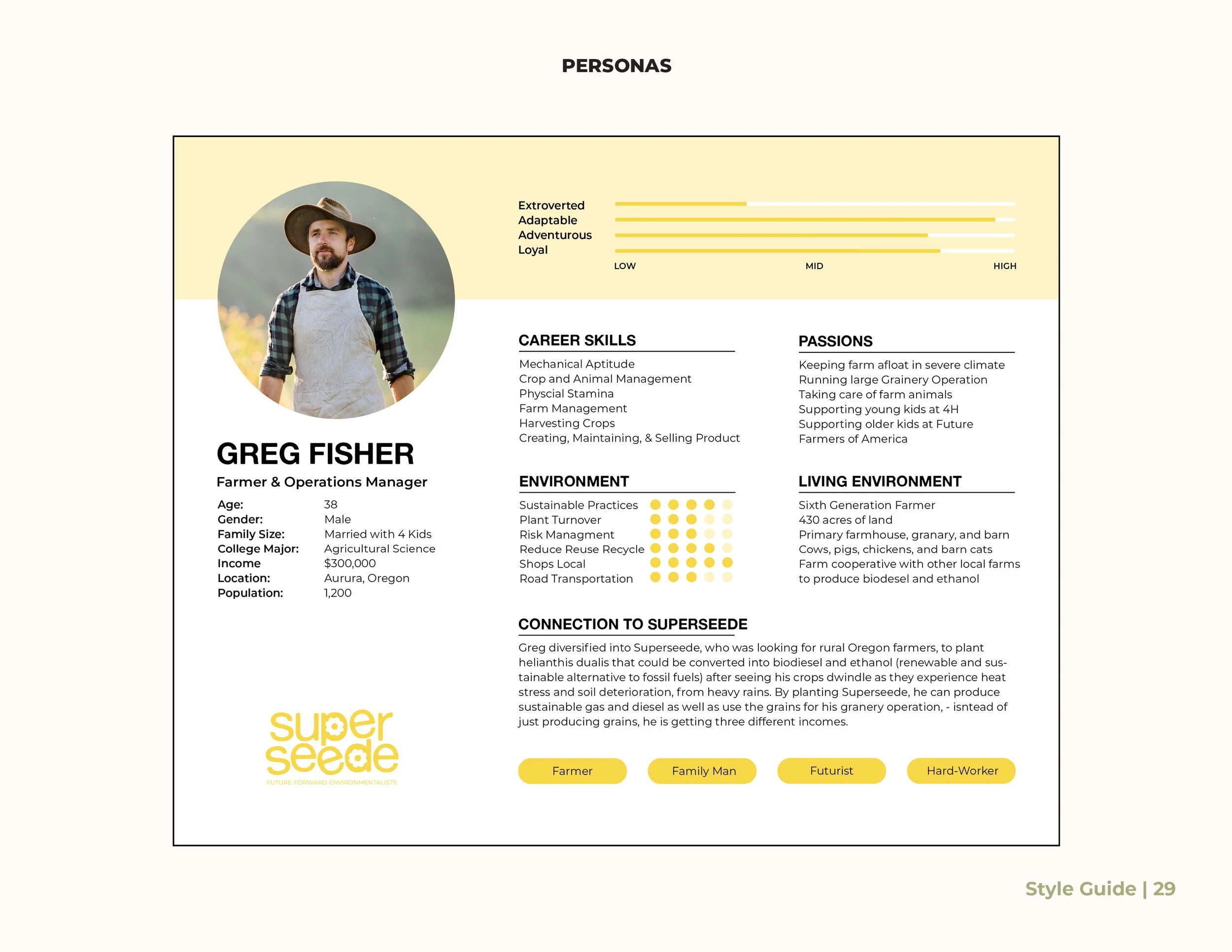
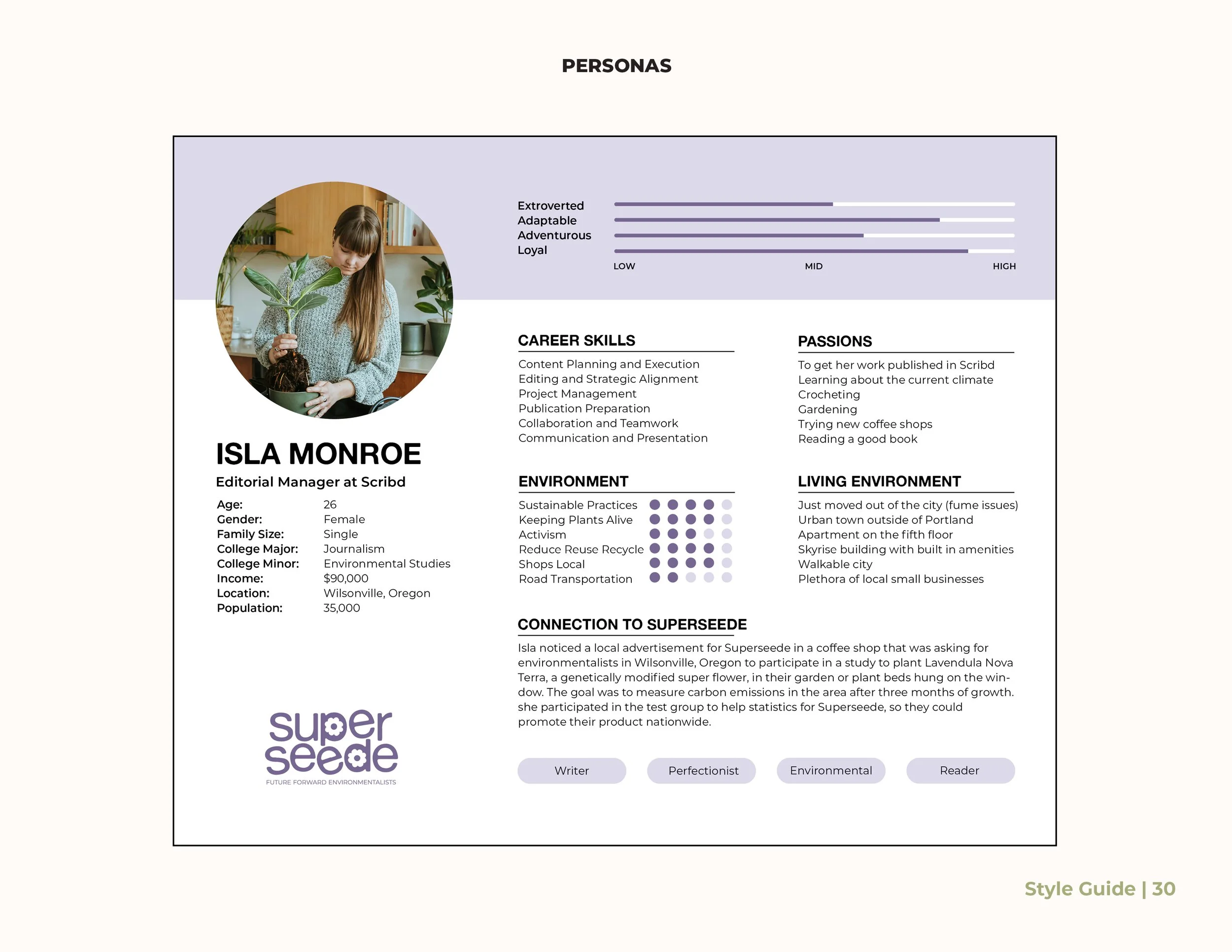
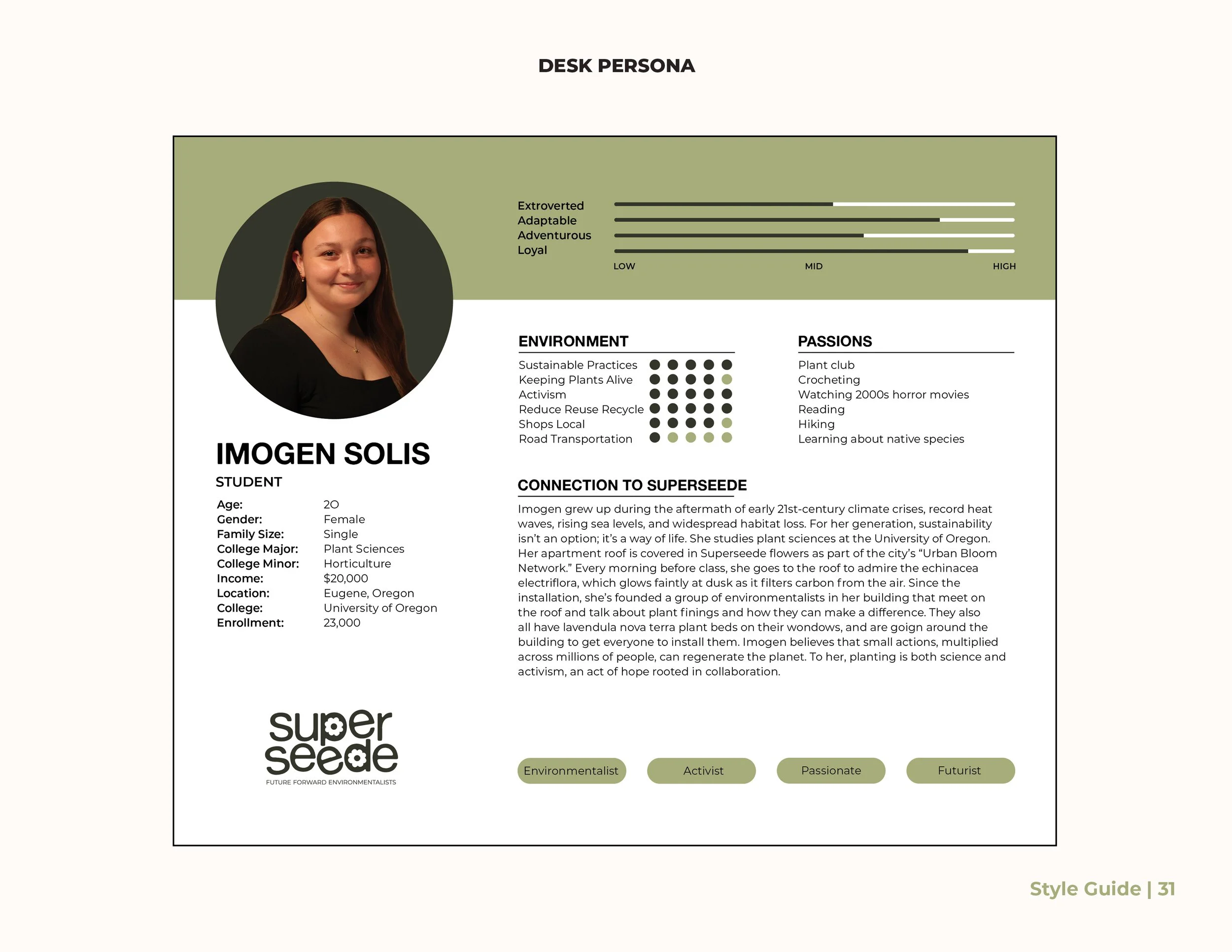
To understand the flowers and their widespread installation, it was important to understand who they were impacting. These two representatives and a building helped formulate strengths and weaknesses for Superseede’s case.
PERSONAS
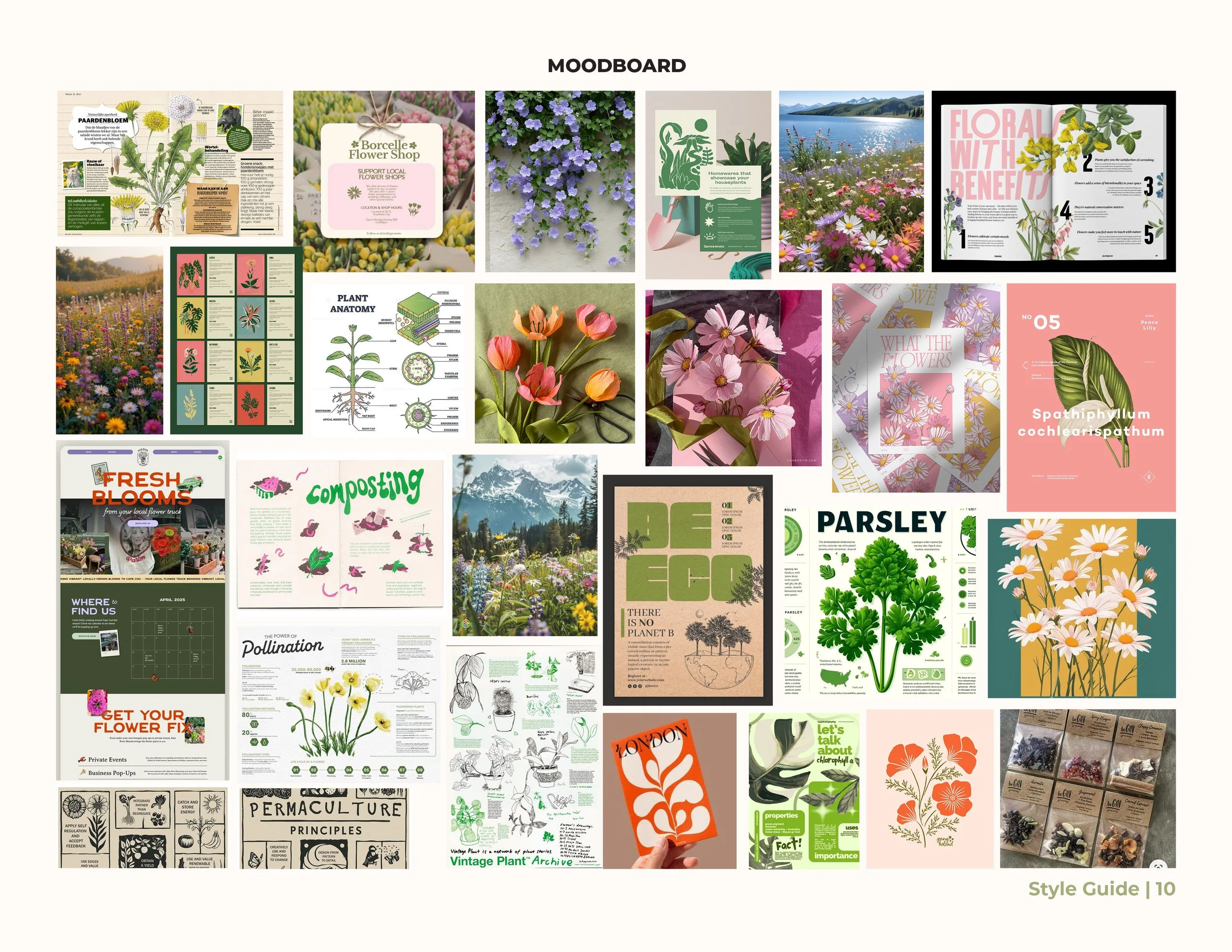
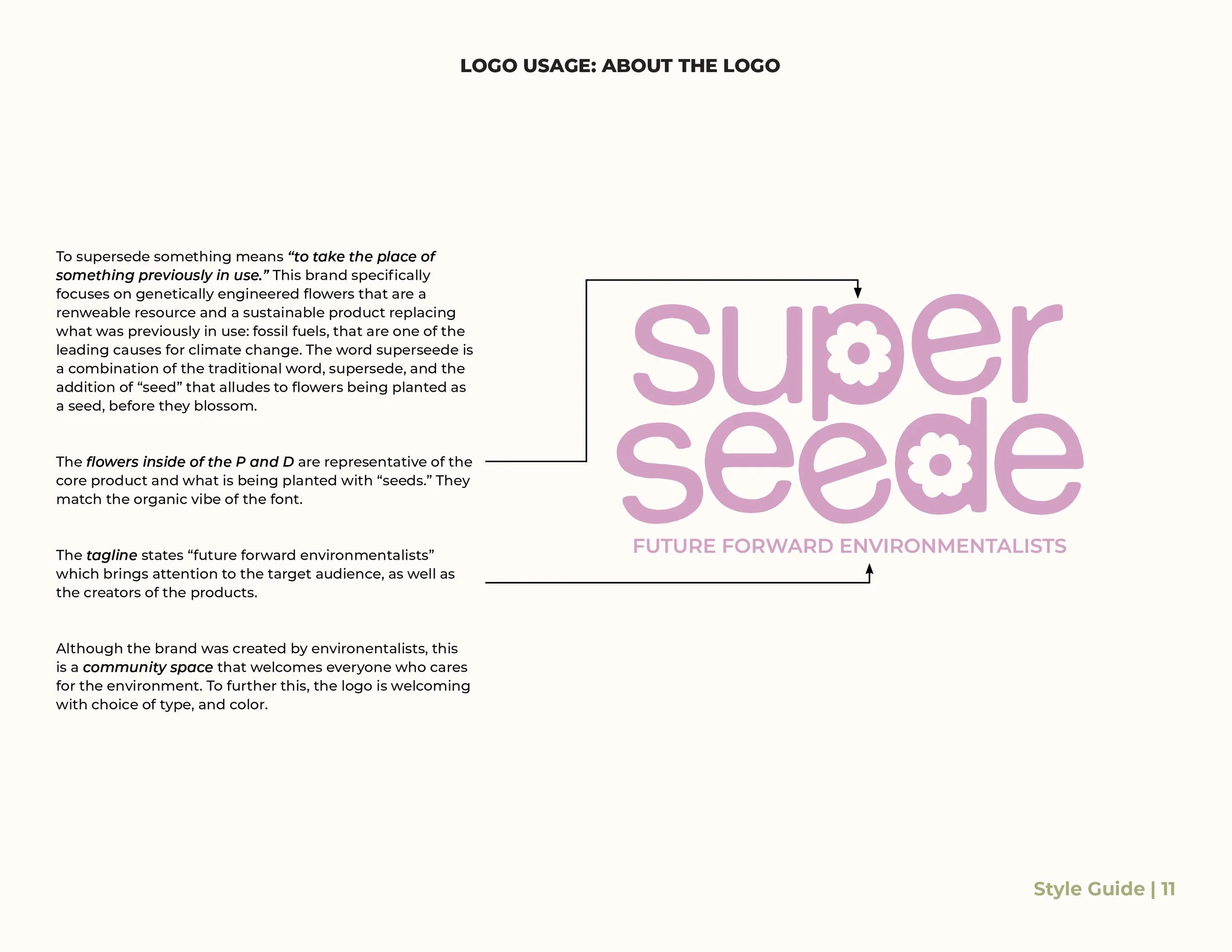
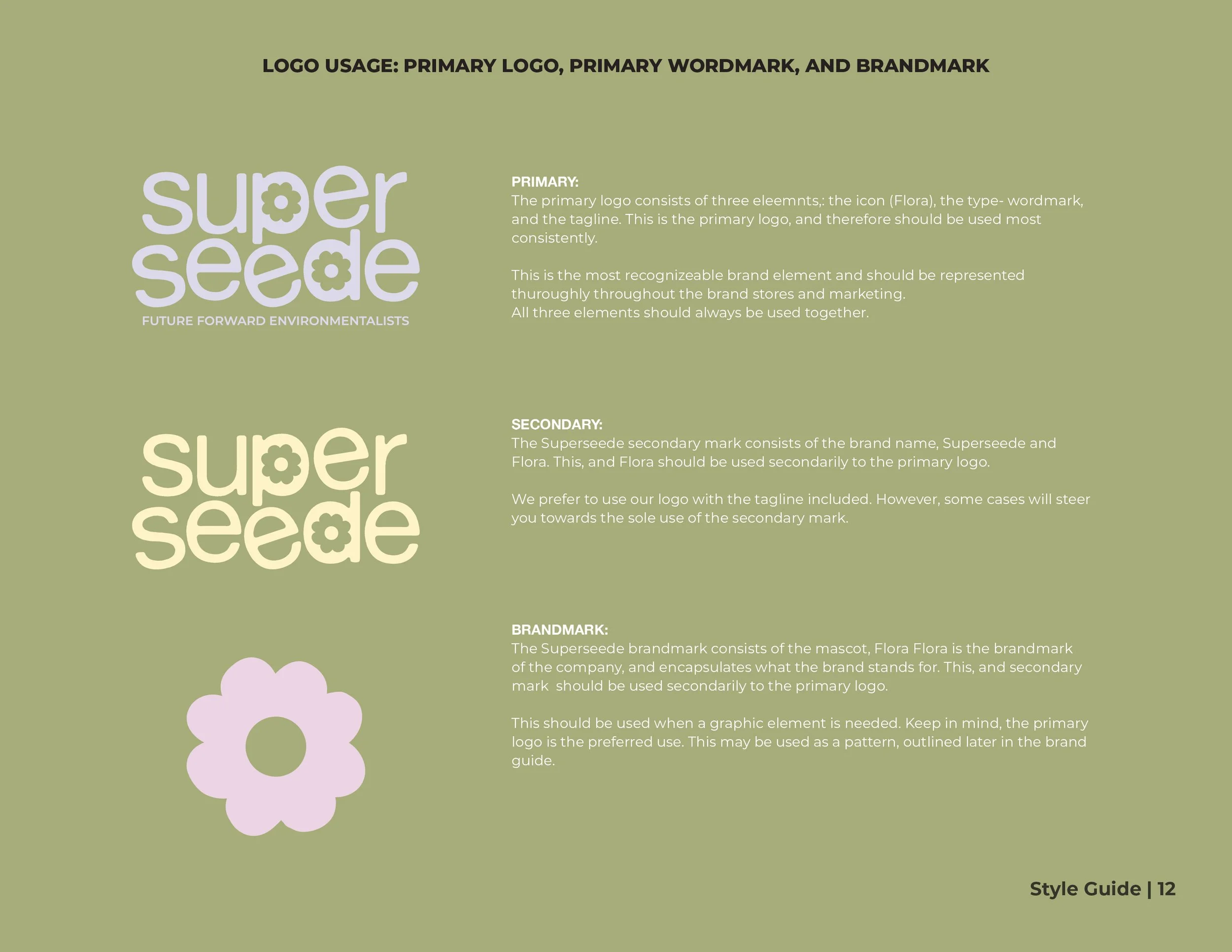
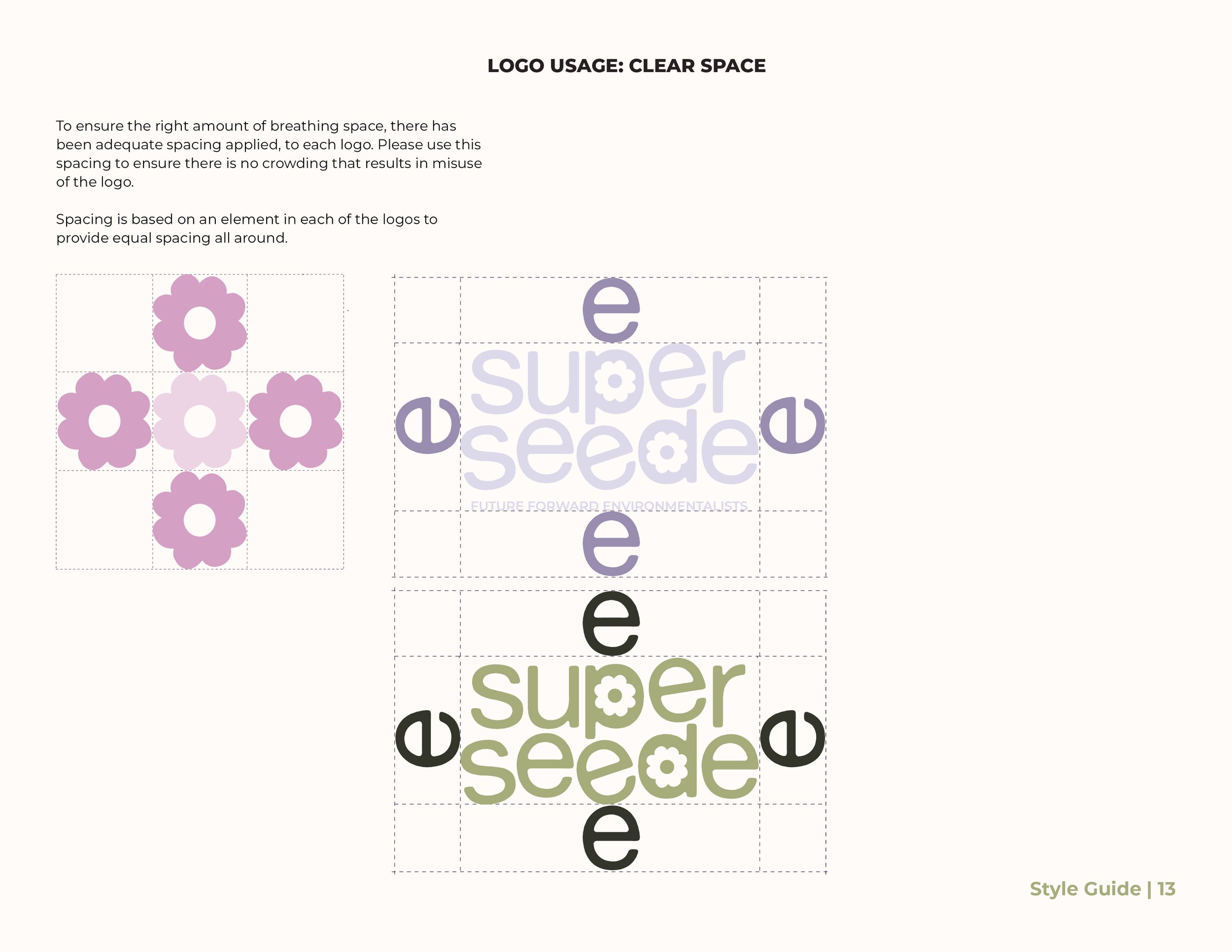
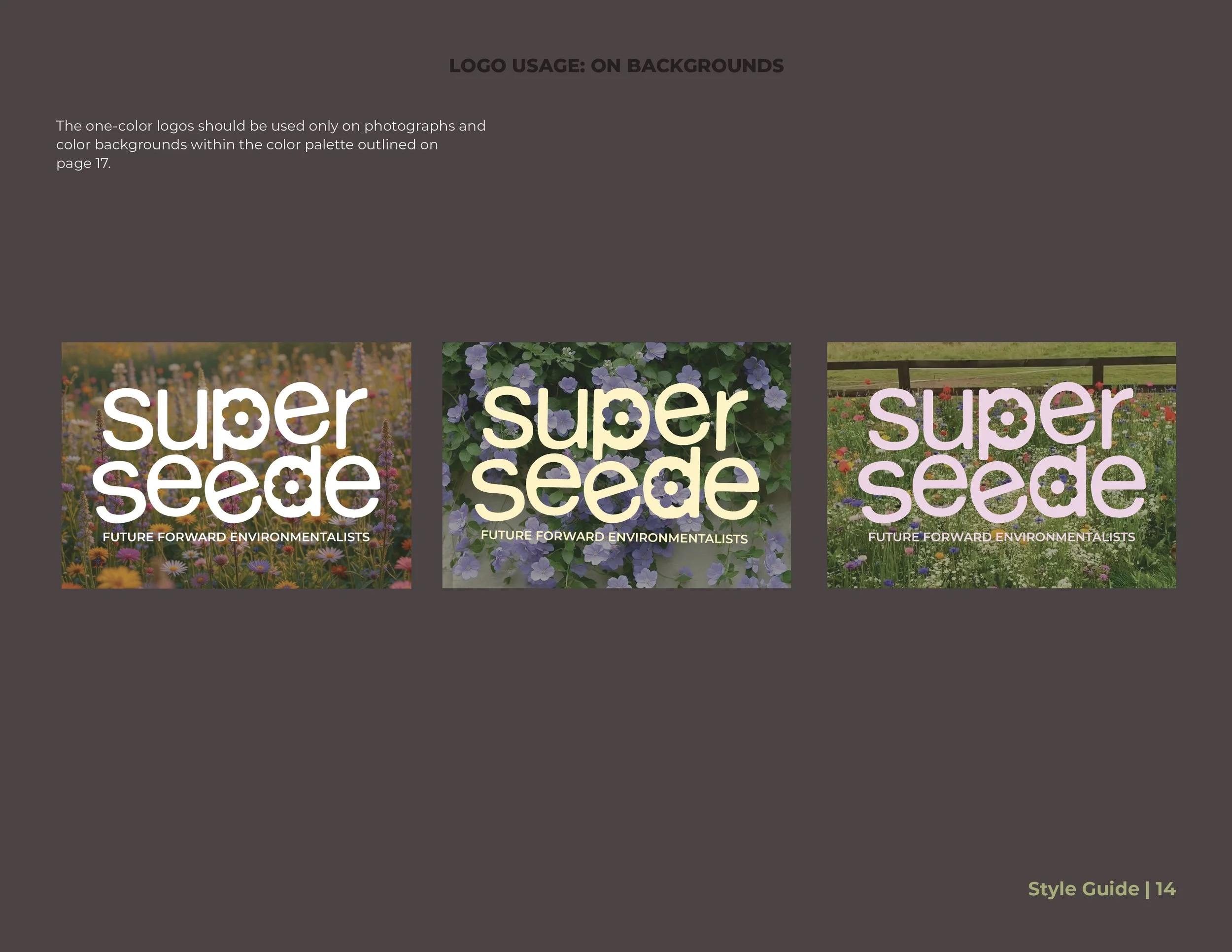
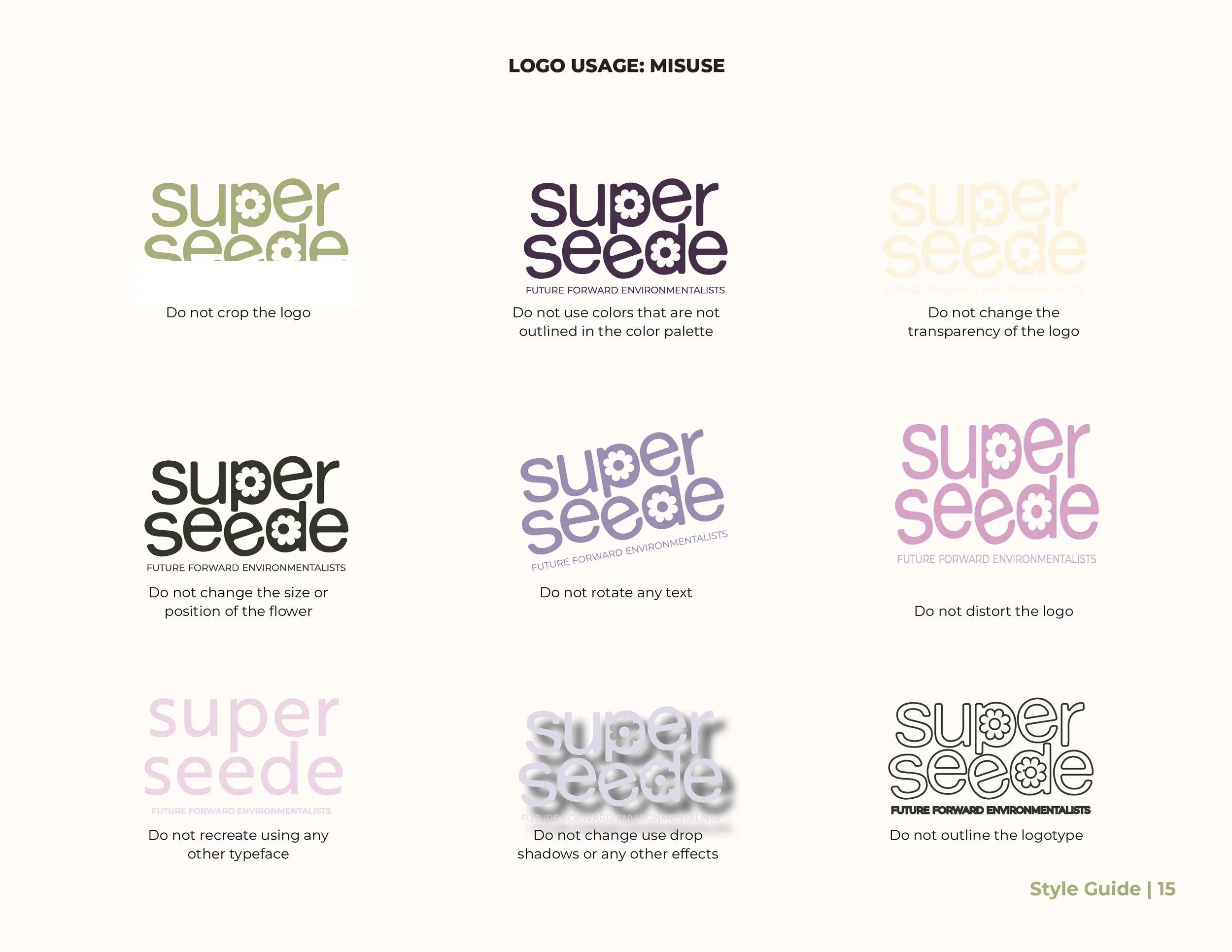
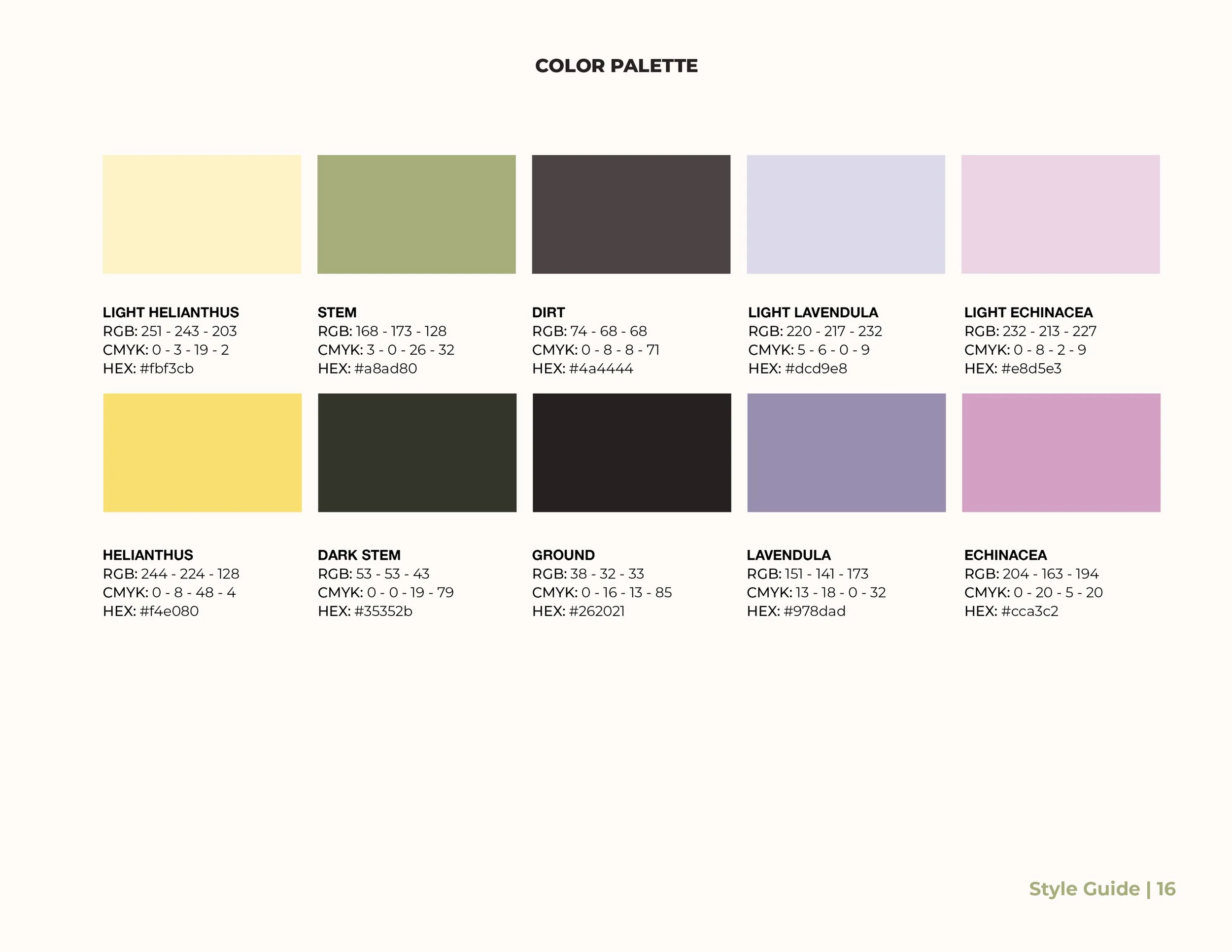
BRAND GUIDE





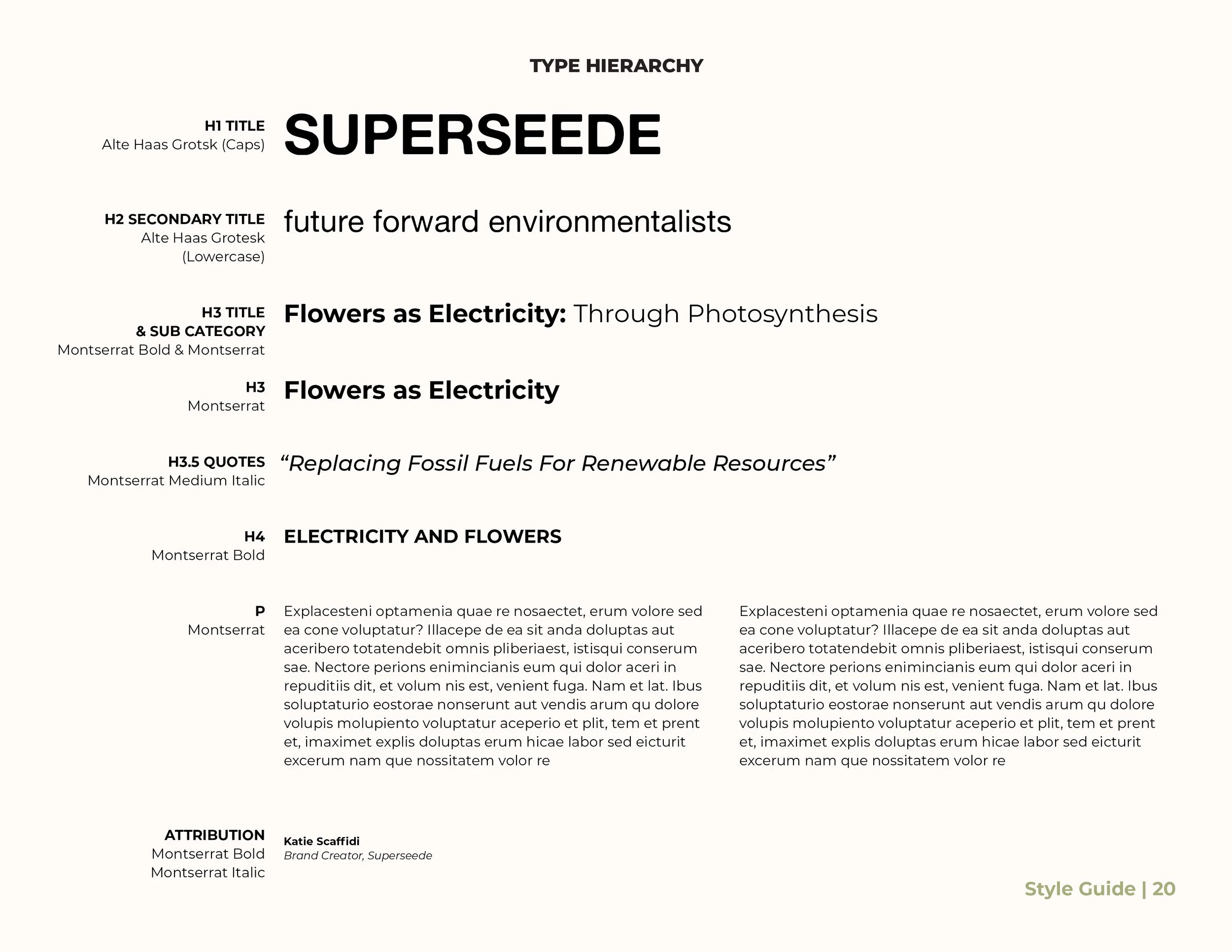
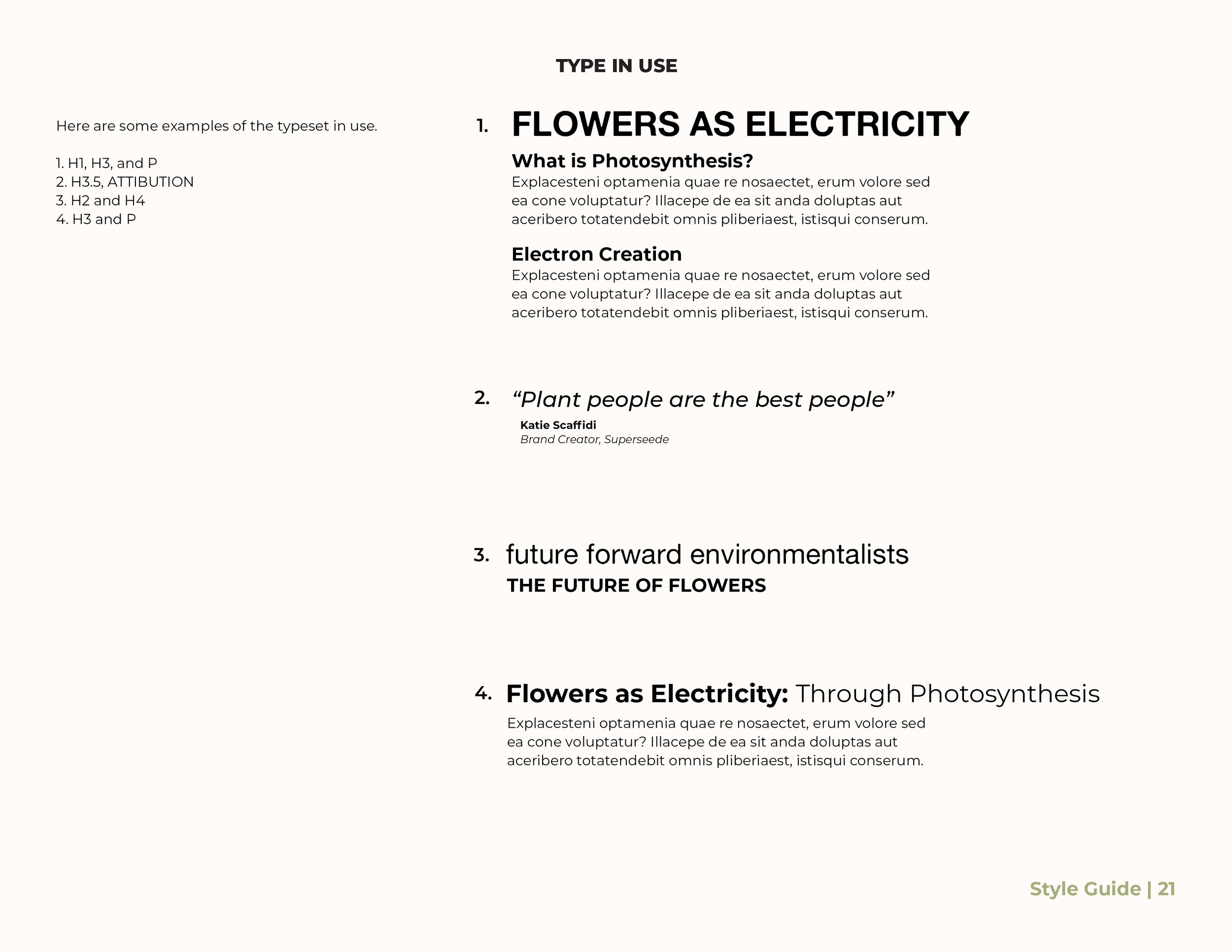

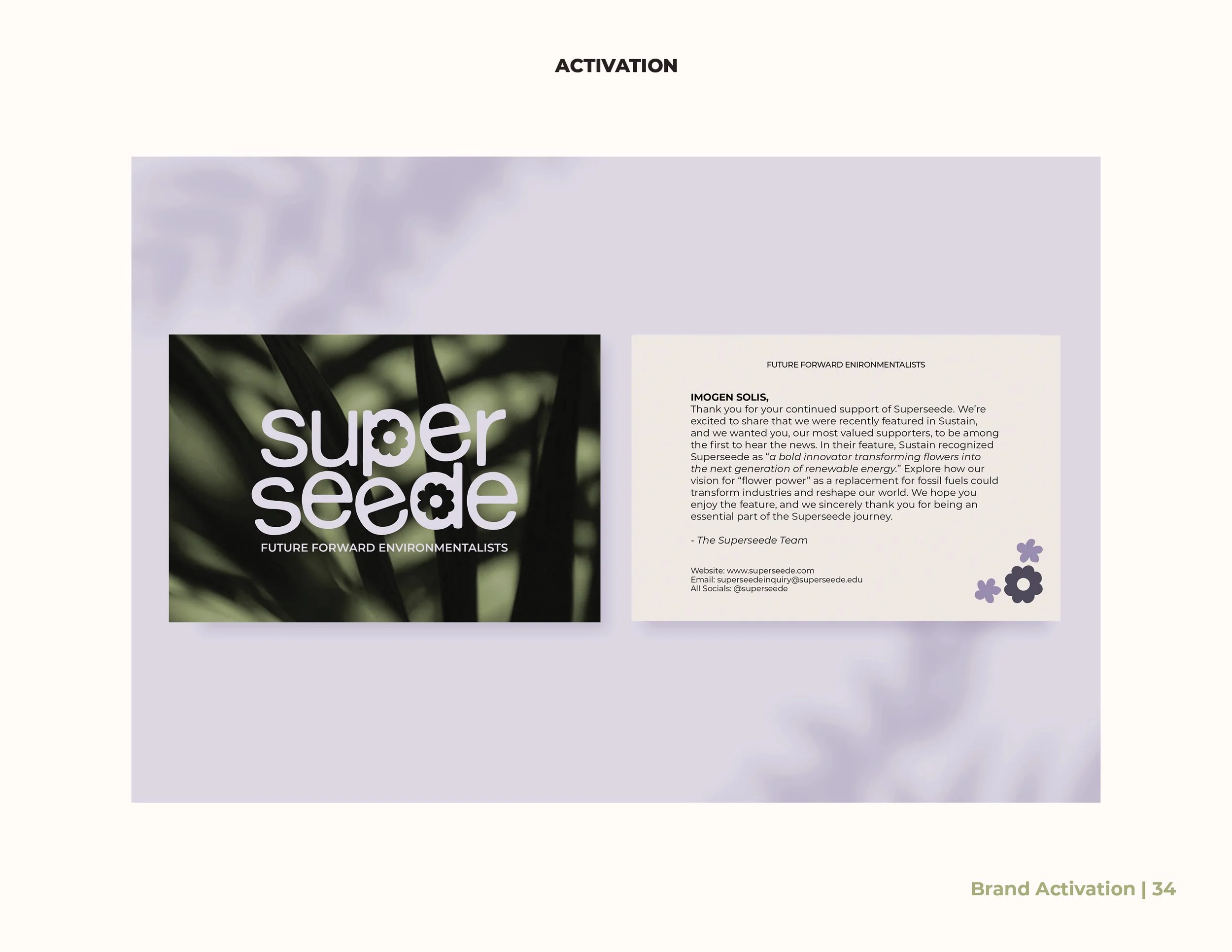


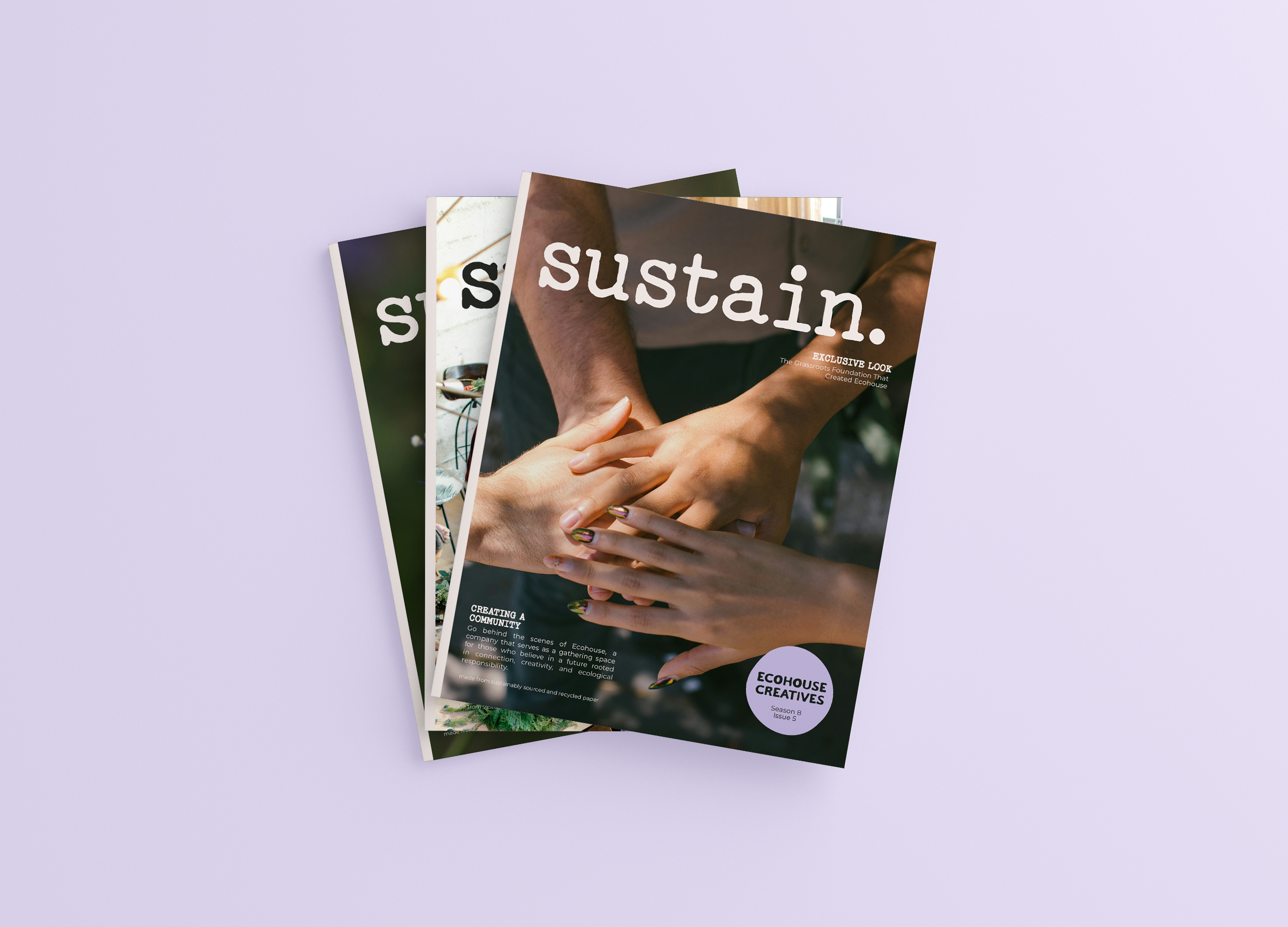
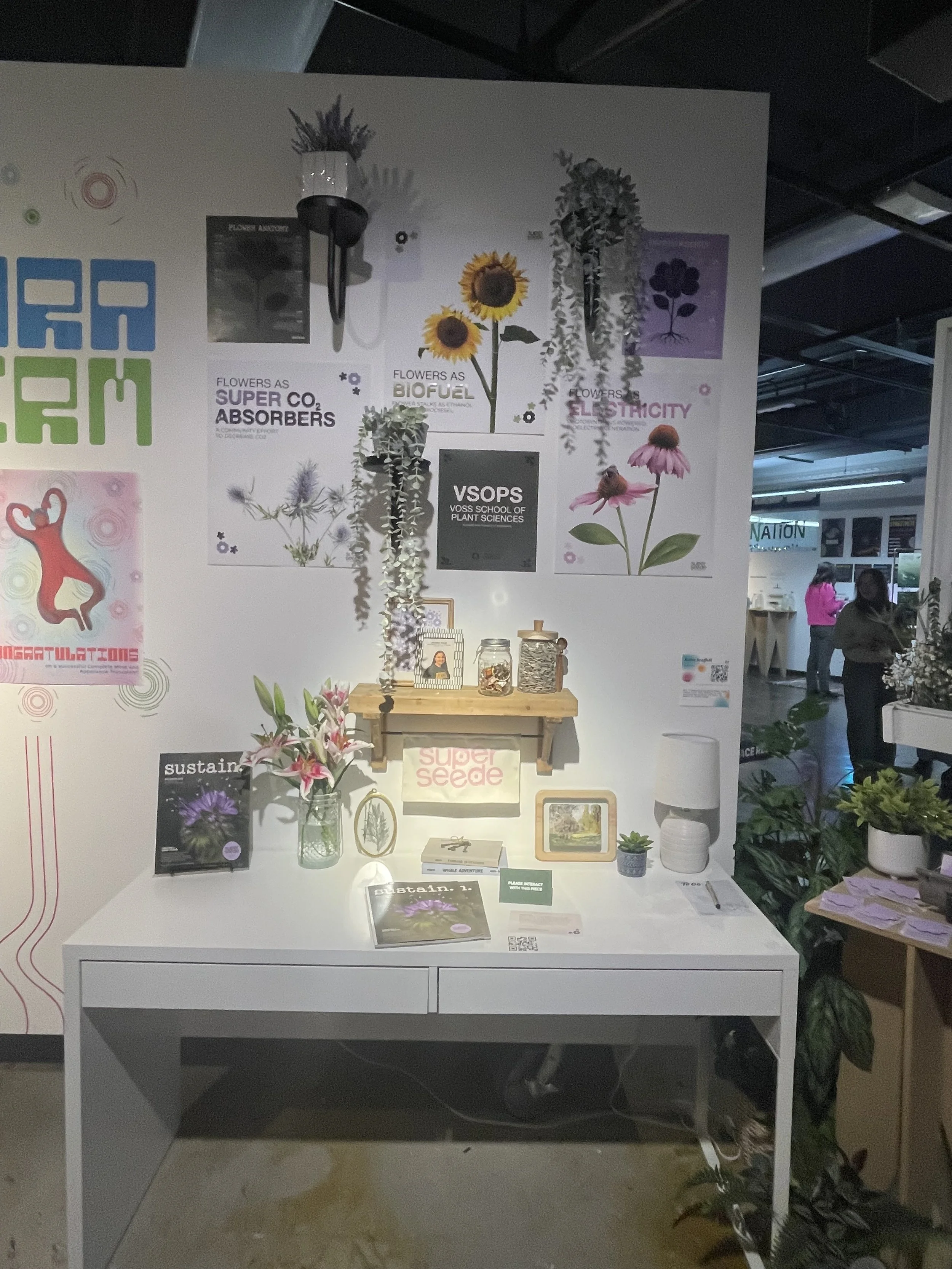
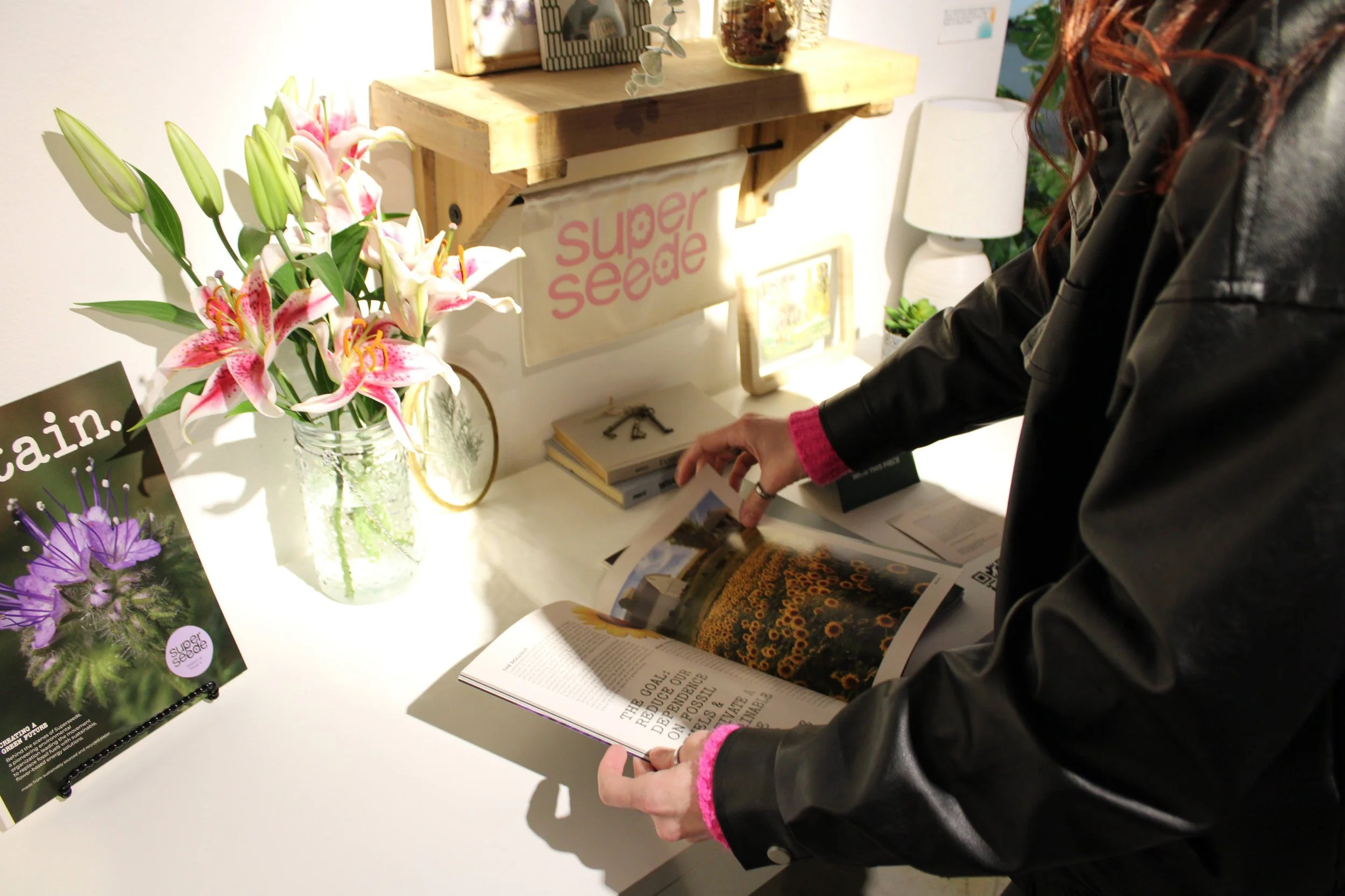
Sustain, is a contemporary journal dedicated to the art and impact of environmental innovation. Published ten times a year, each issue curates stories from around the world that illuminate the intersection of design, industry, and ecology. Through in-depth features, striking imagery, and thoughtful commentary, Sustain captures the visionaries and enterprises shaping a more responsible future. Printed on sustainably sourced and recycled paper, the magazine embodies the very principles it champions: elegant, conscious, and enduring. Sustain is more than a publication; it is a platform for progress, inspiring a global audience to reimagine the relationship between humanity and the environment.
BRAND GUIDE
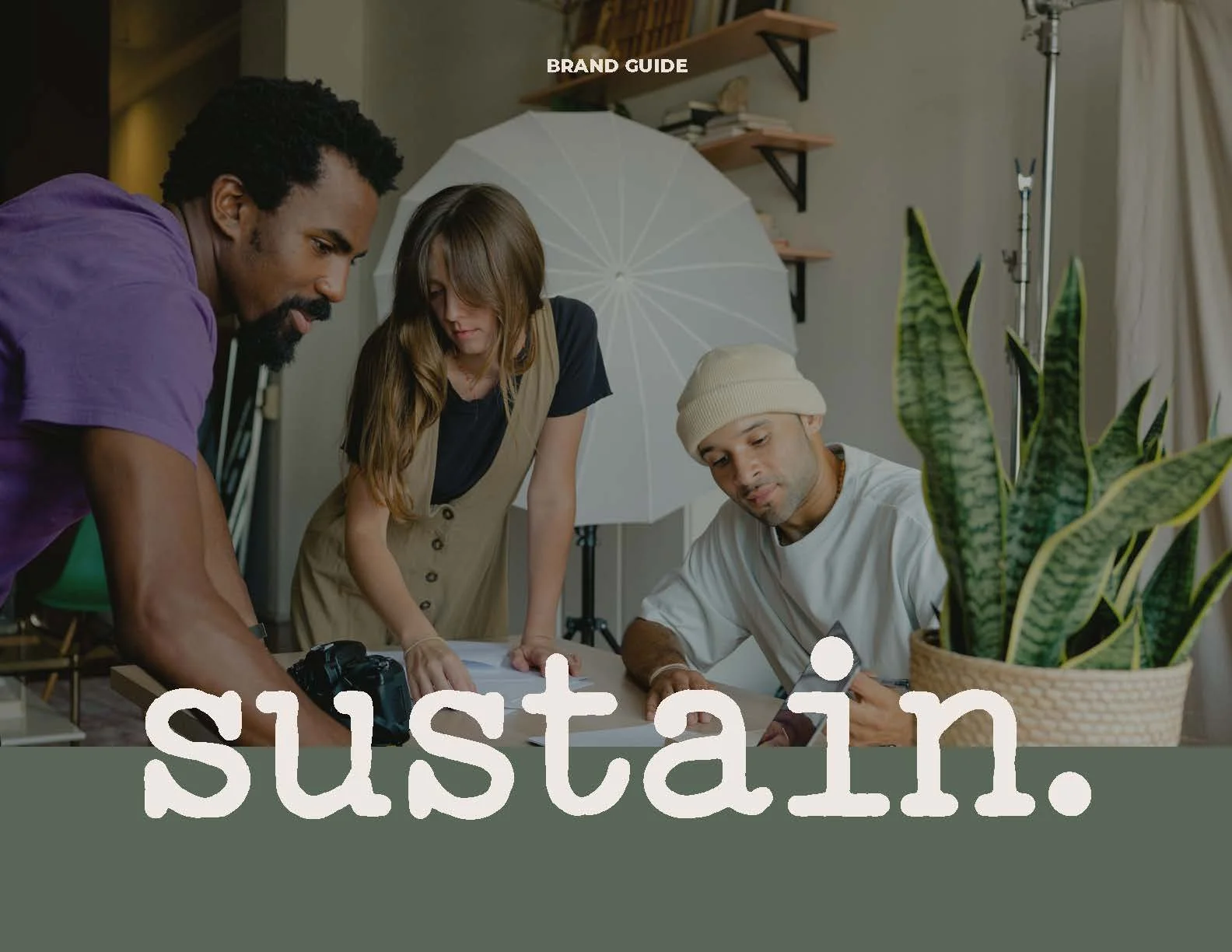


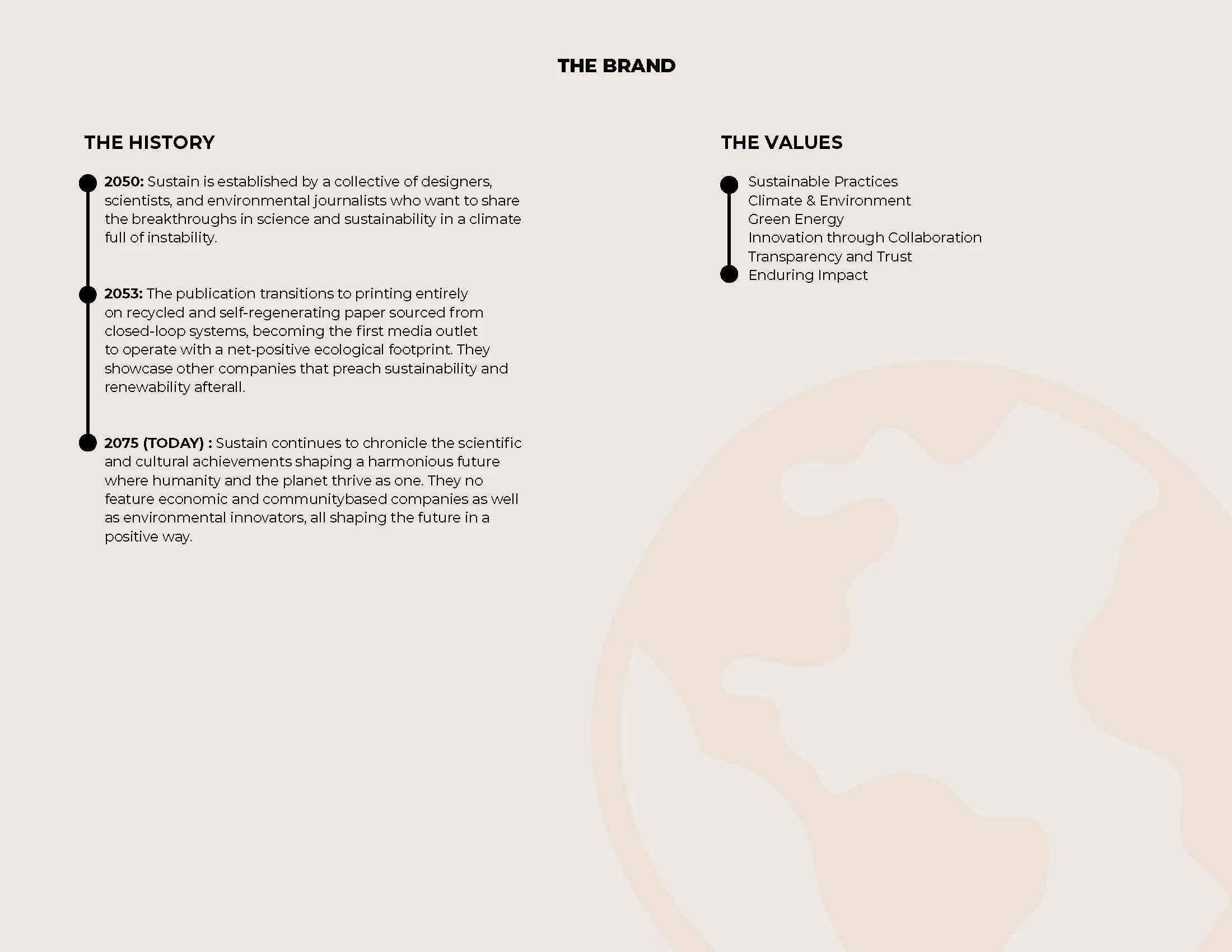
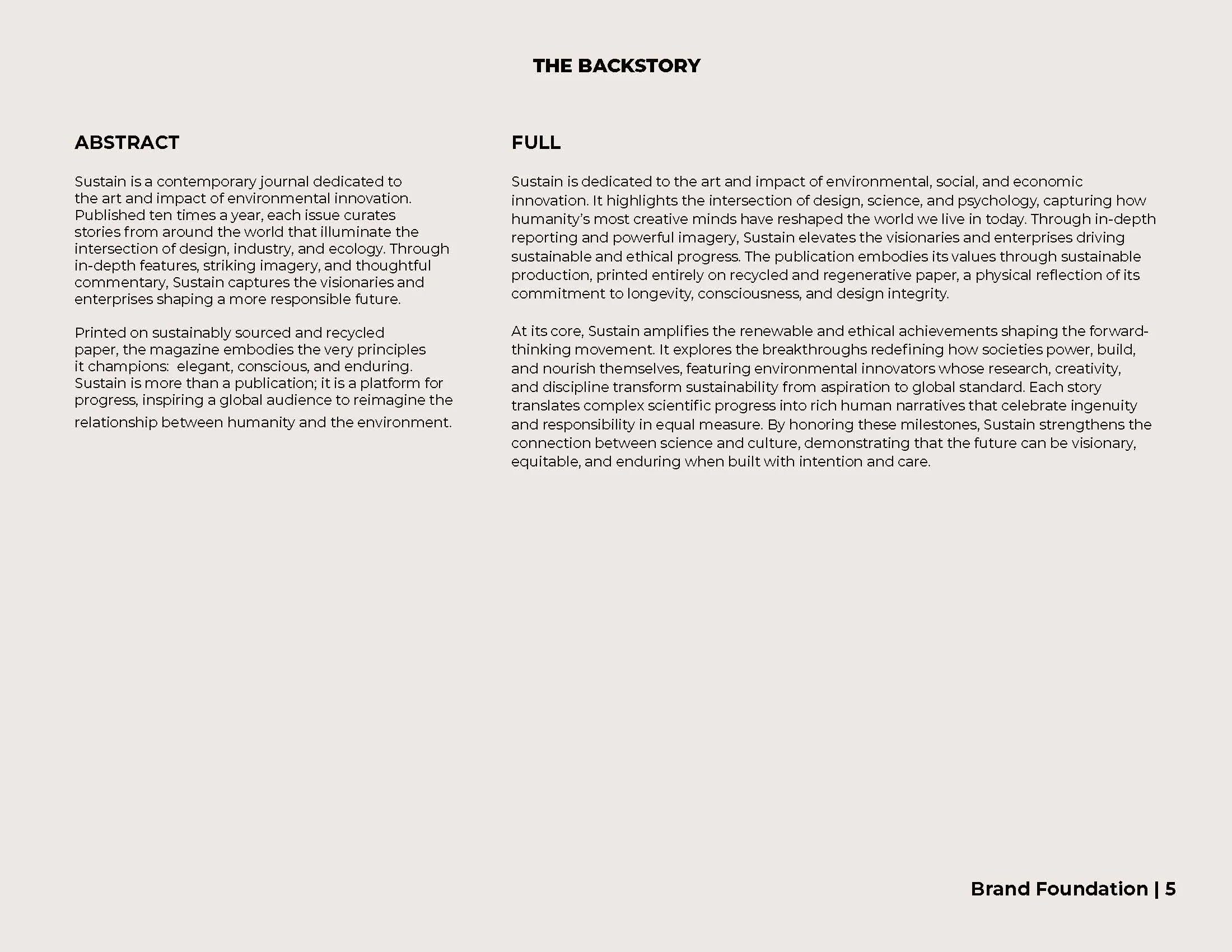
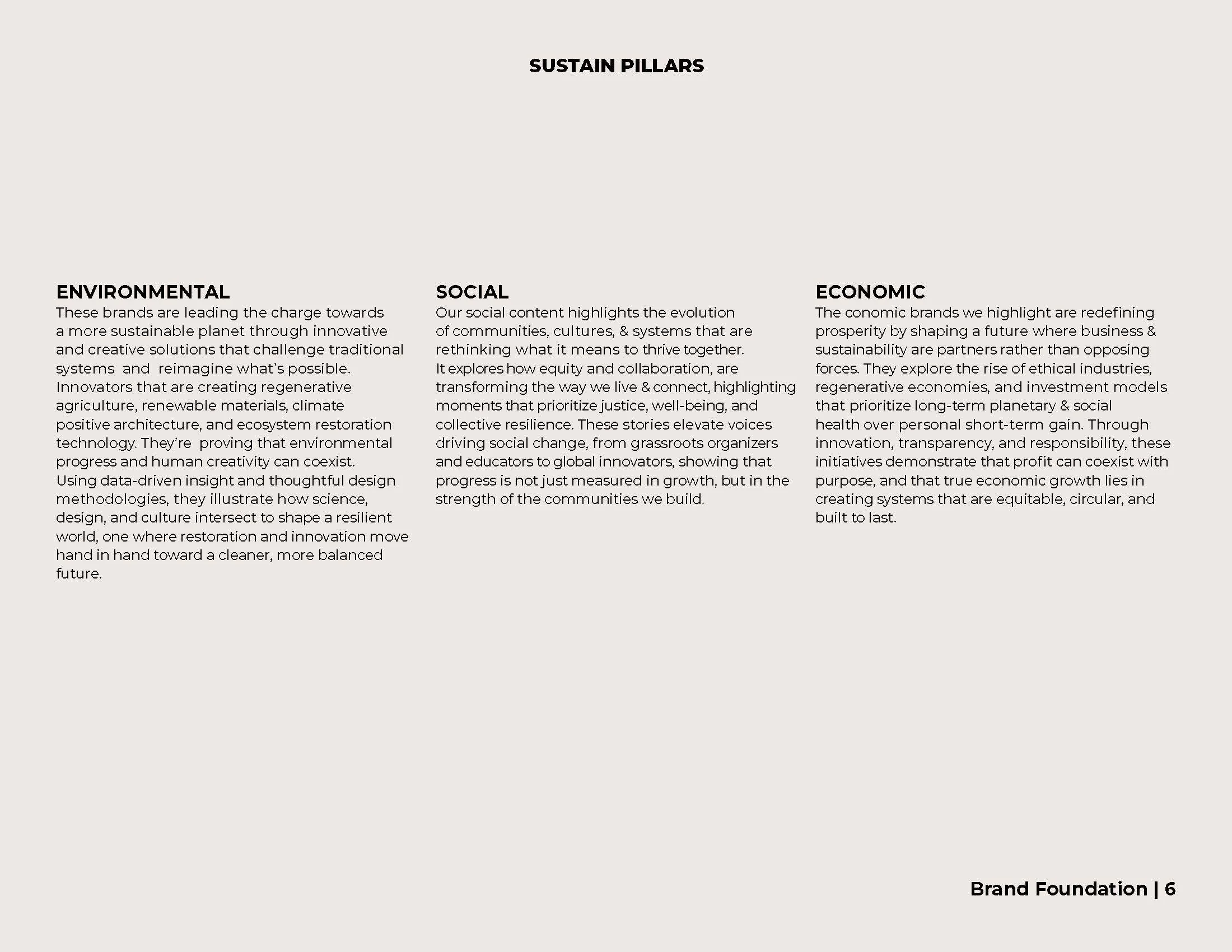

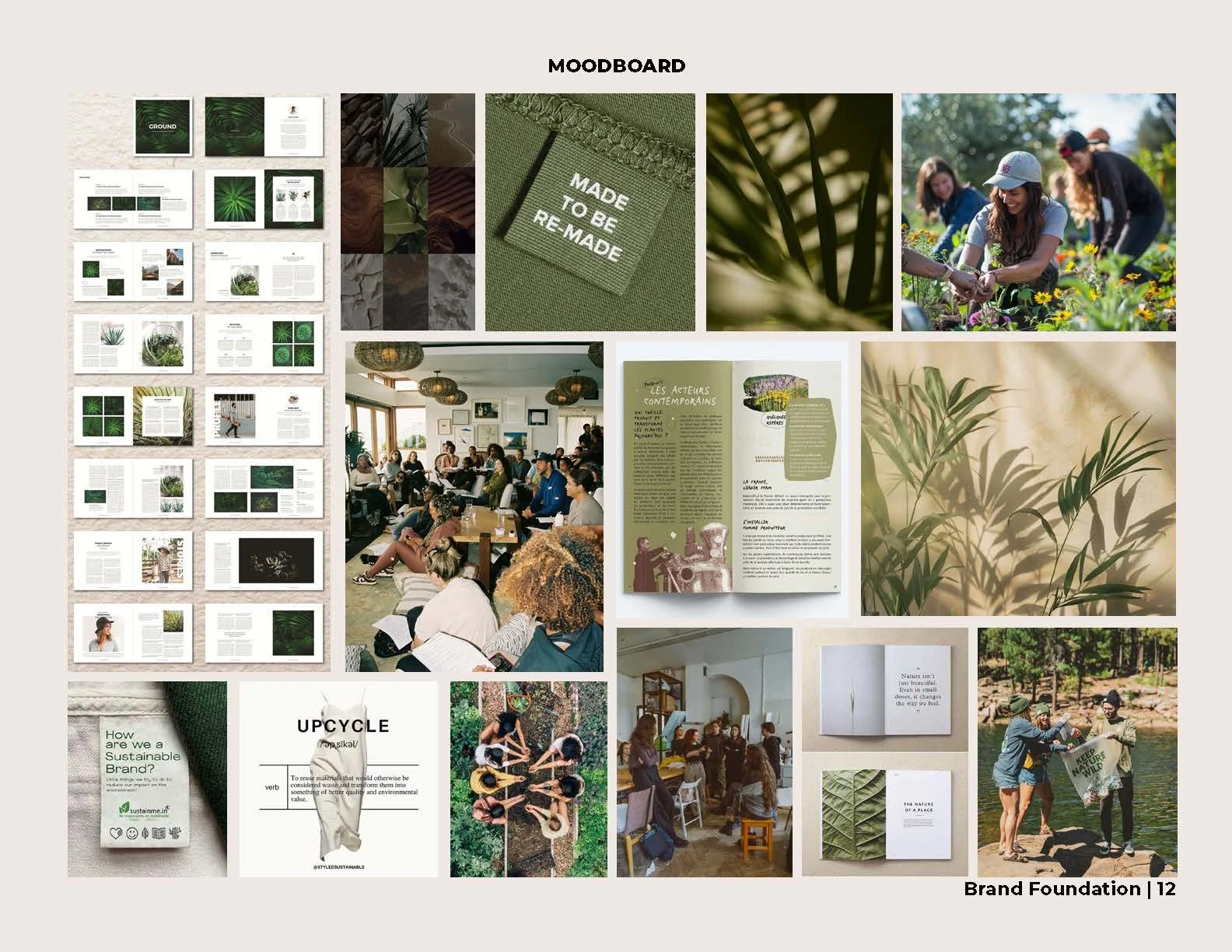
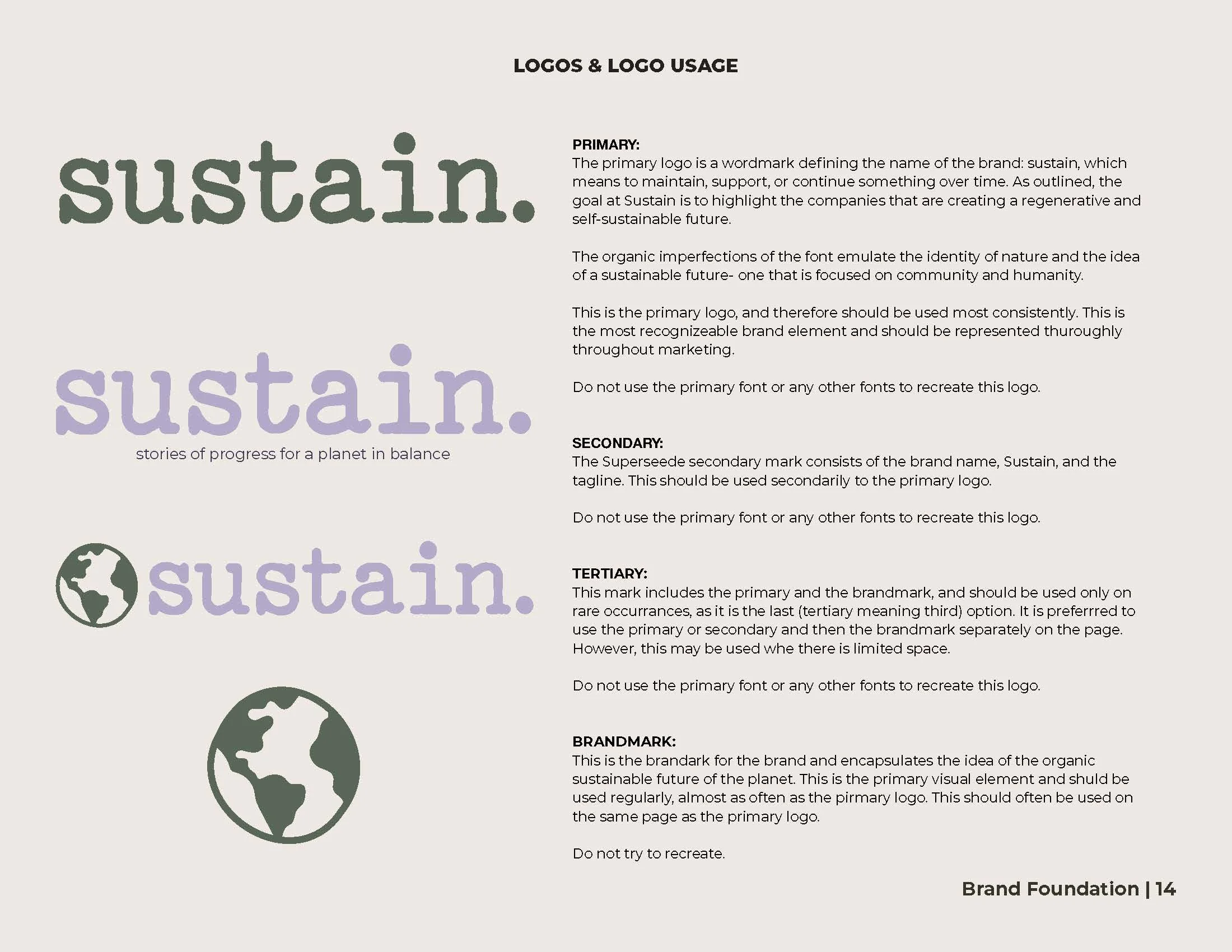
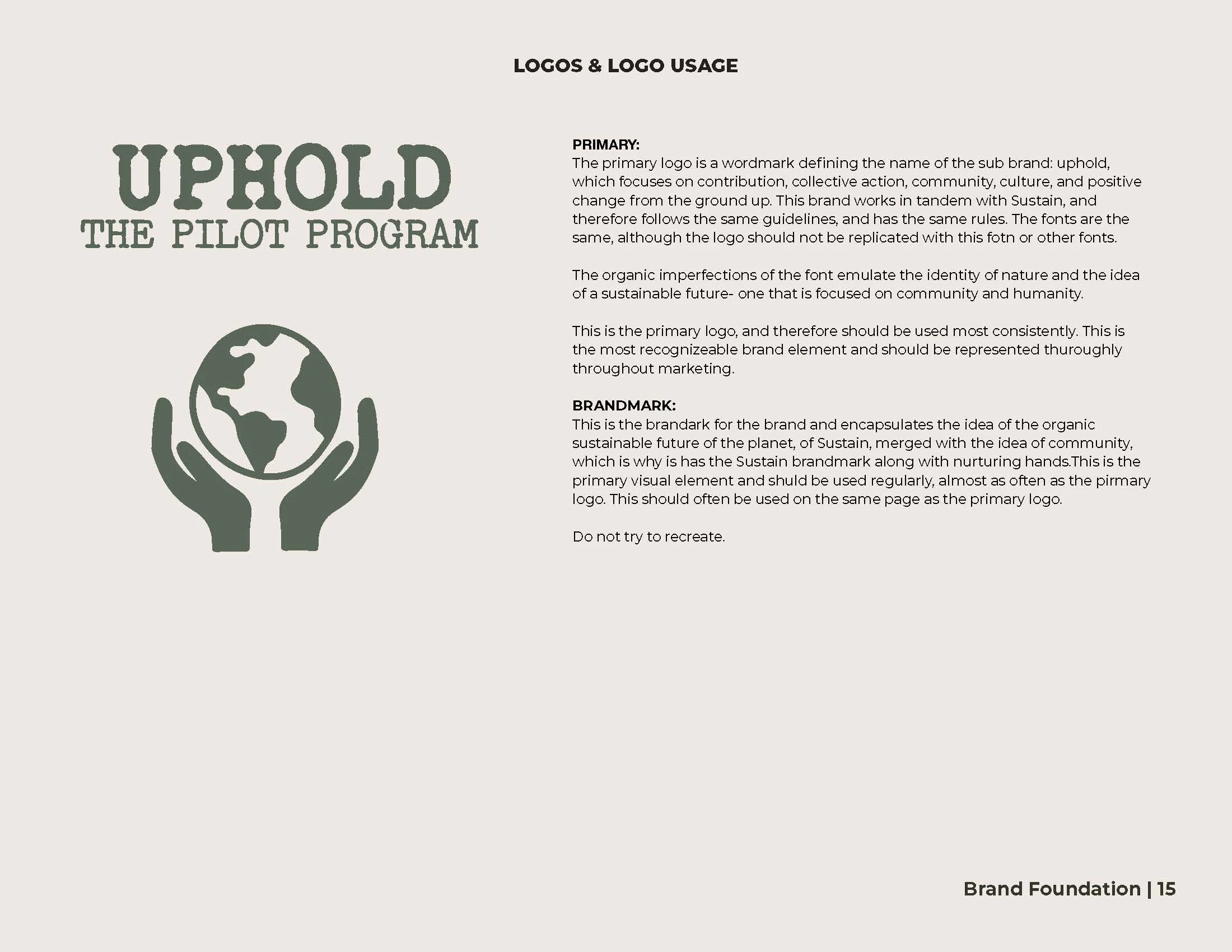
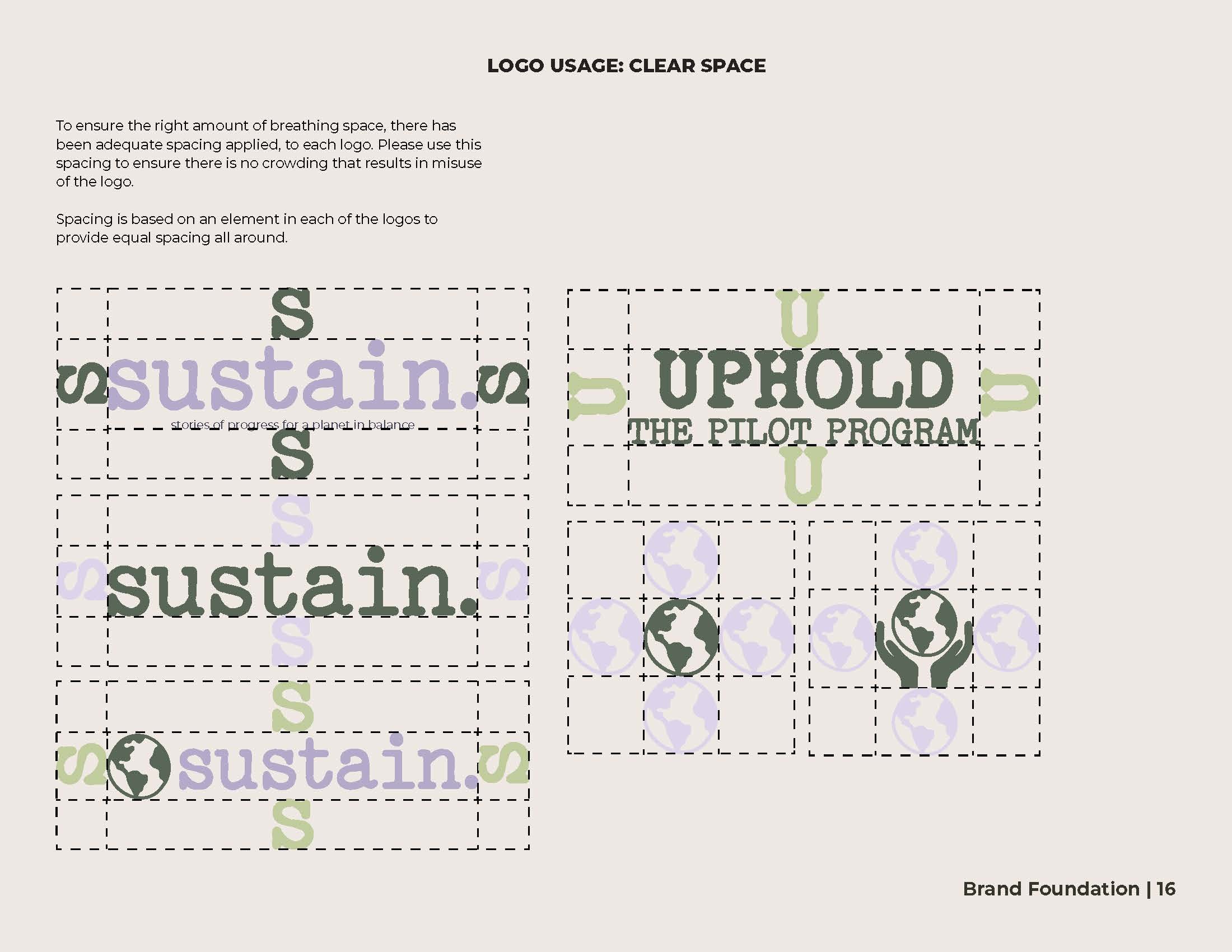
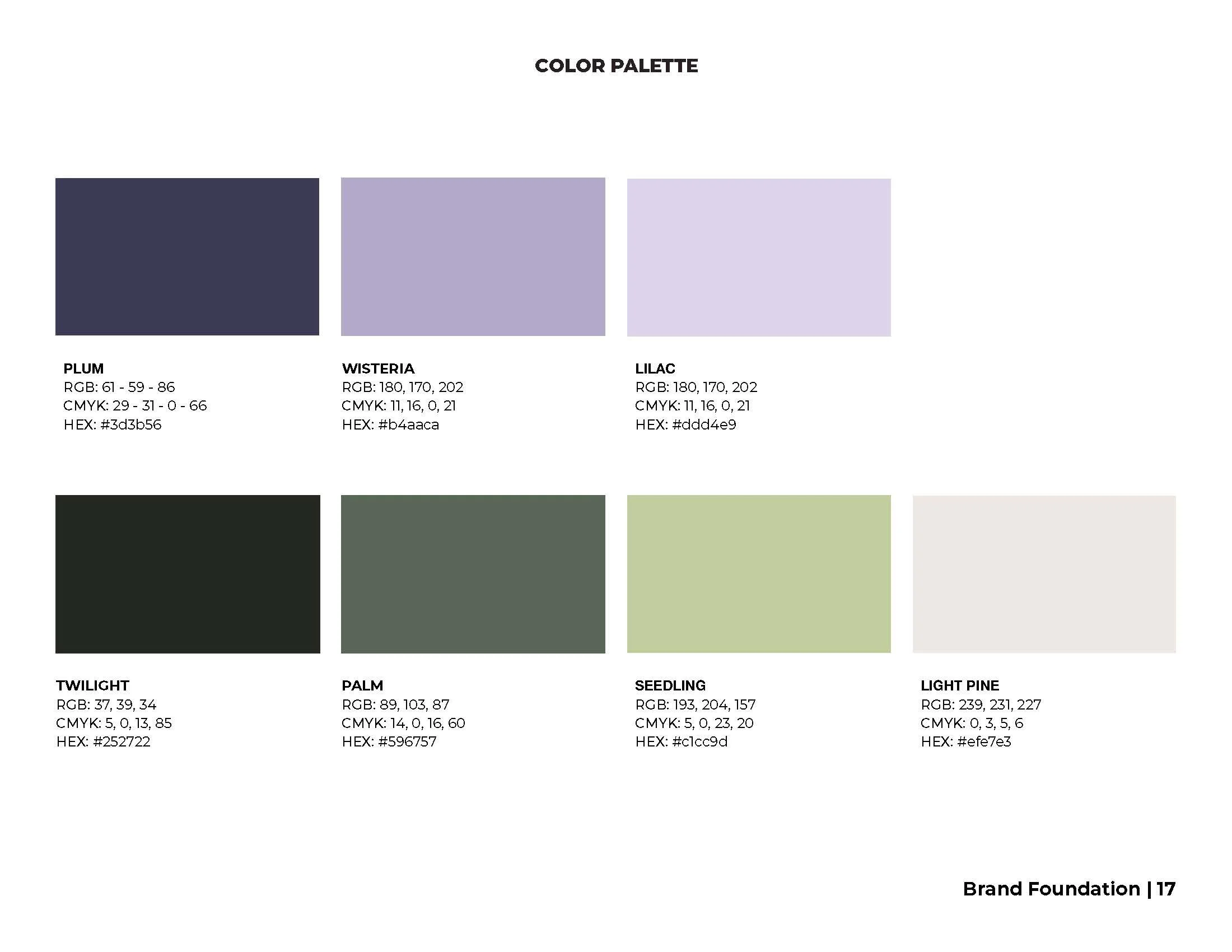


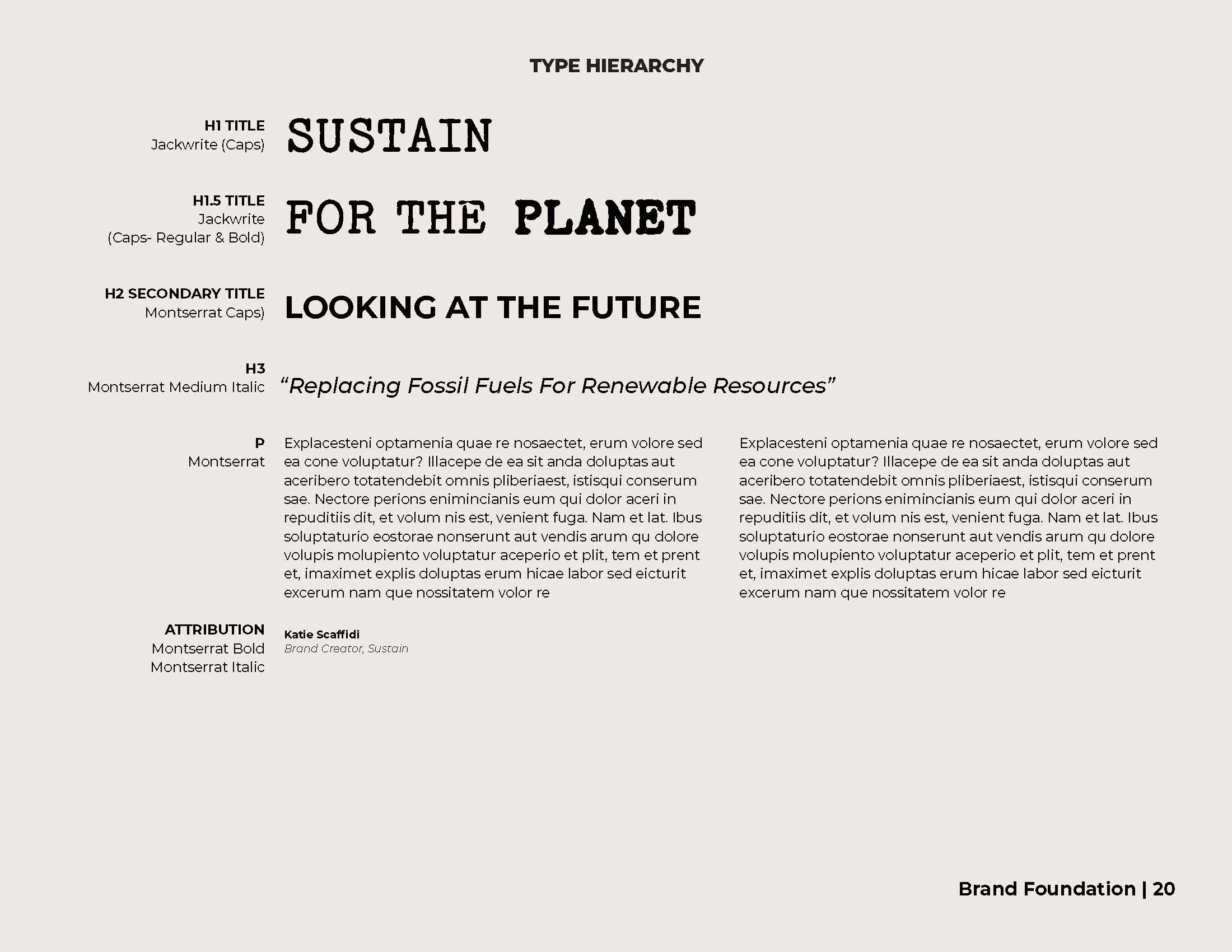
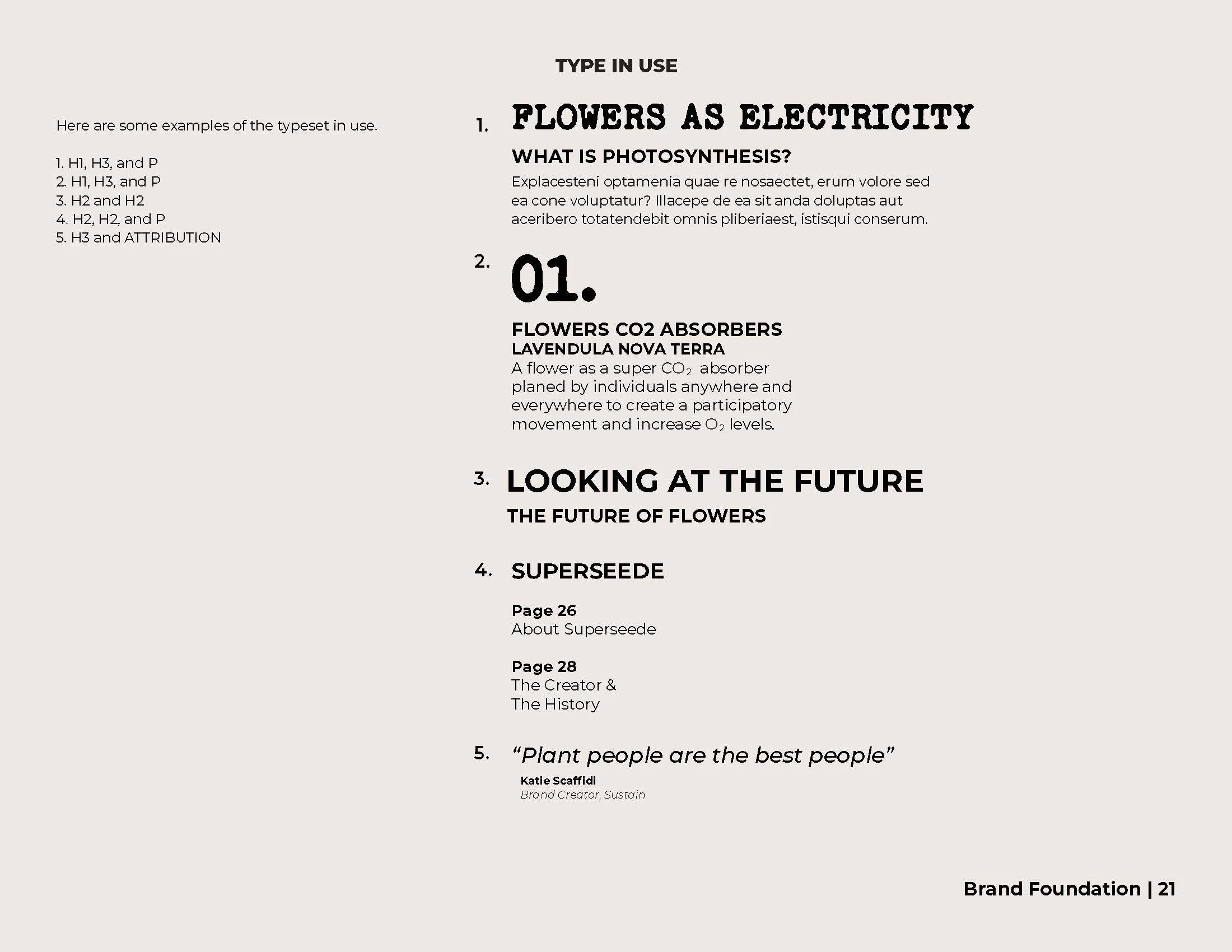

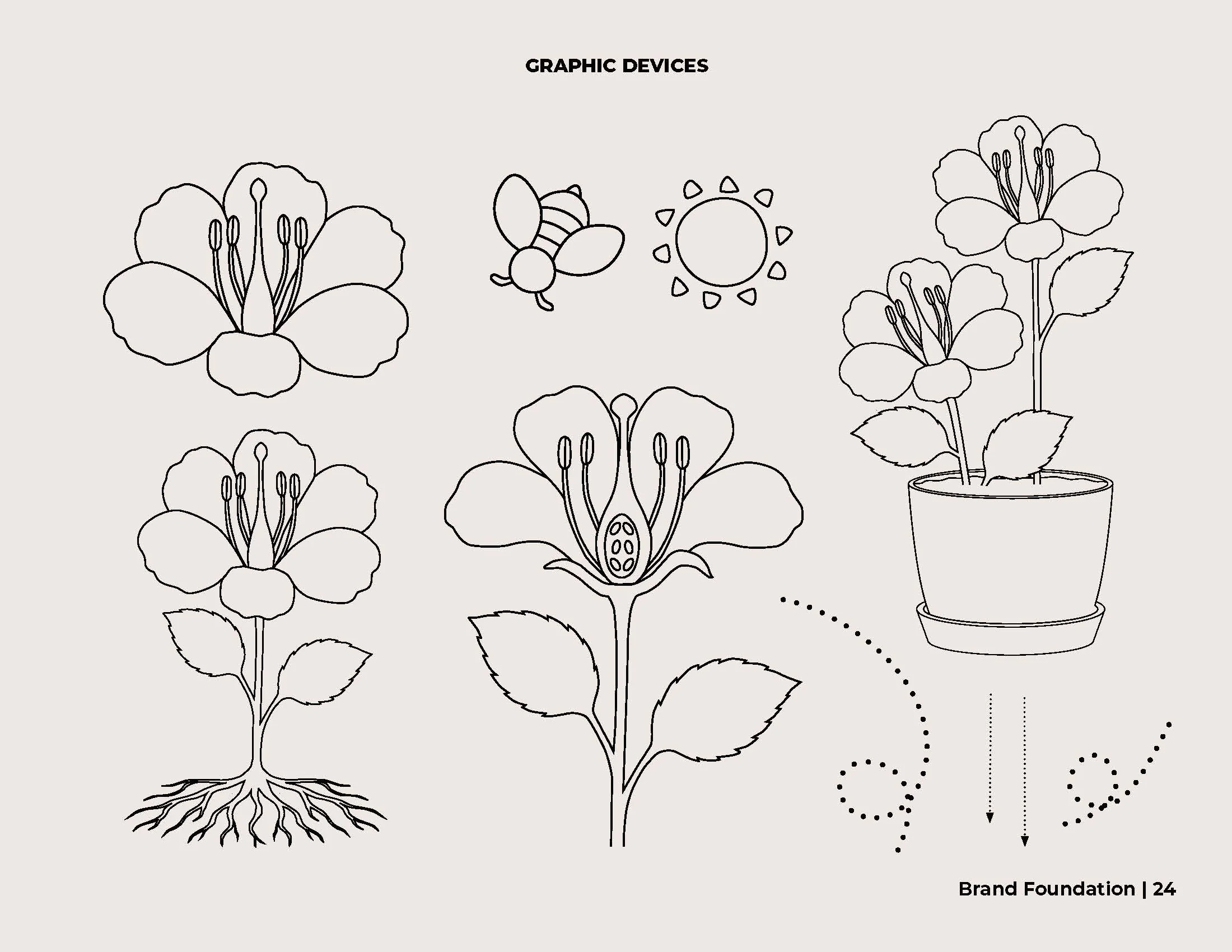

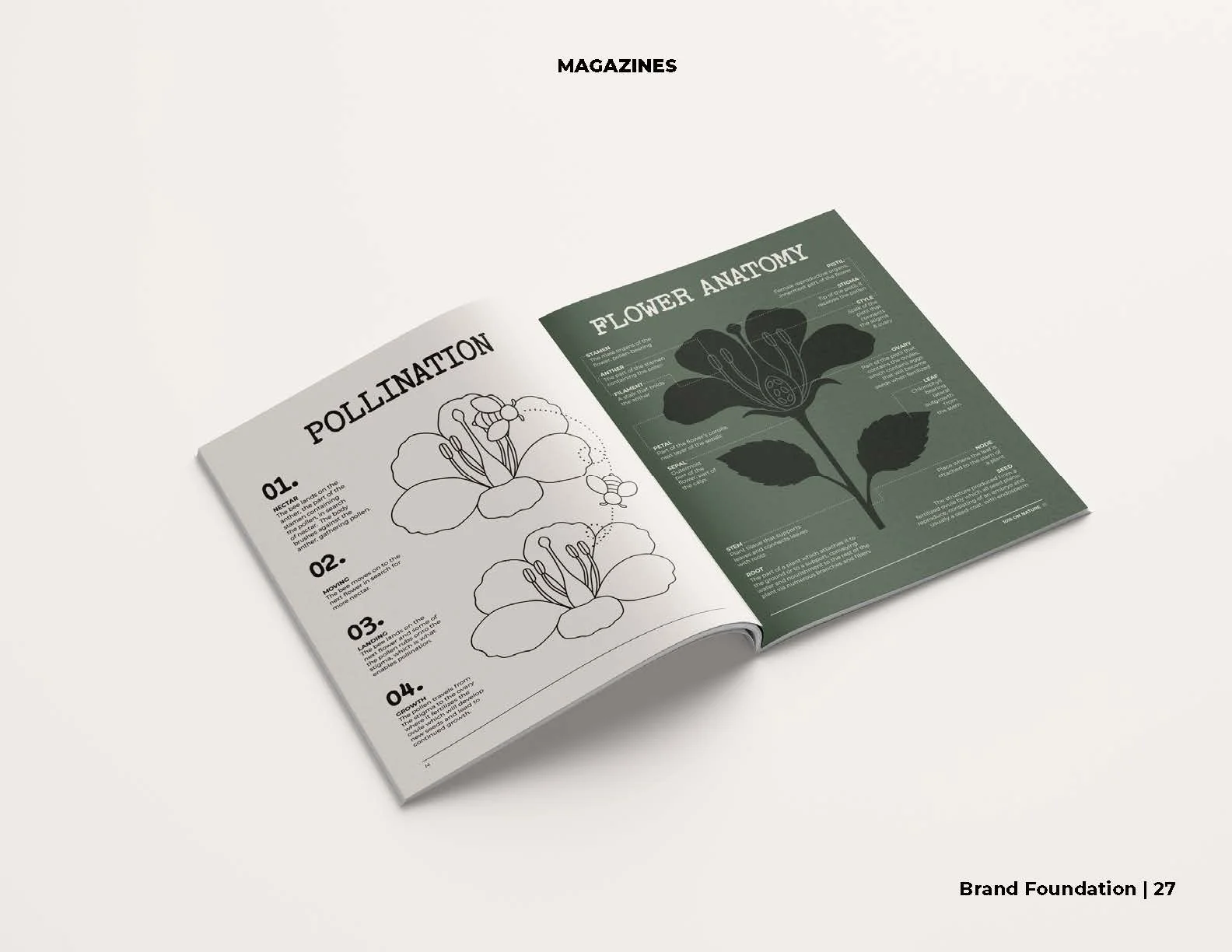
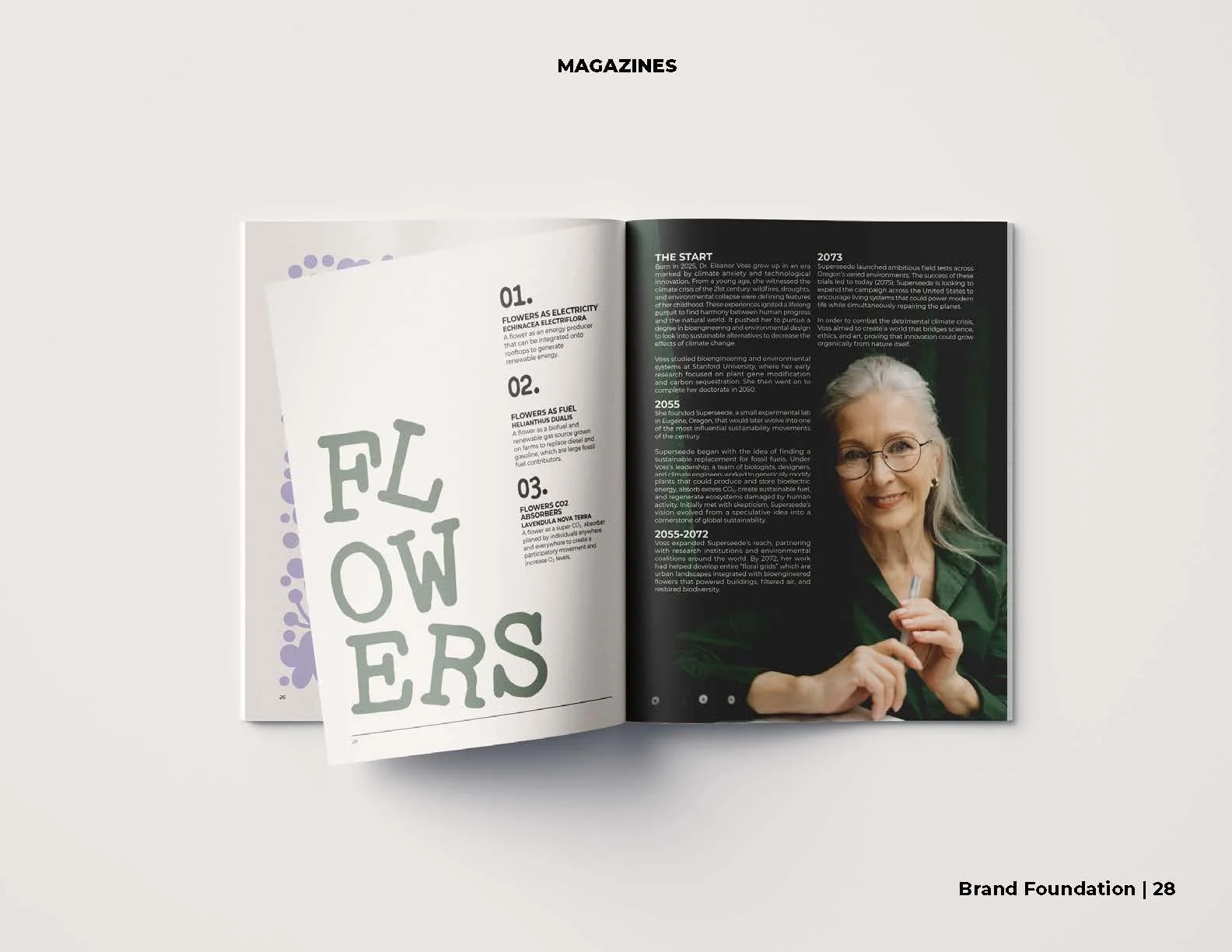
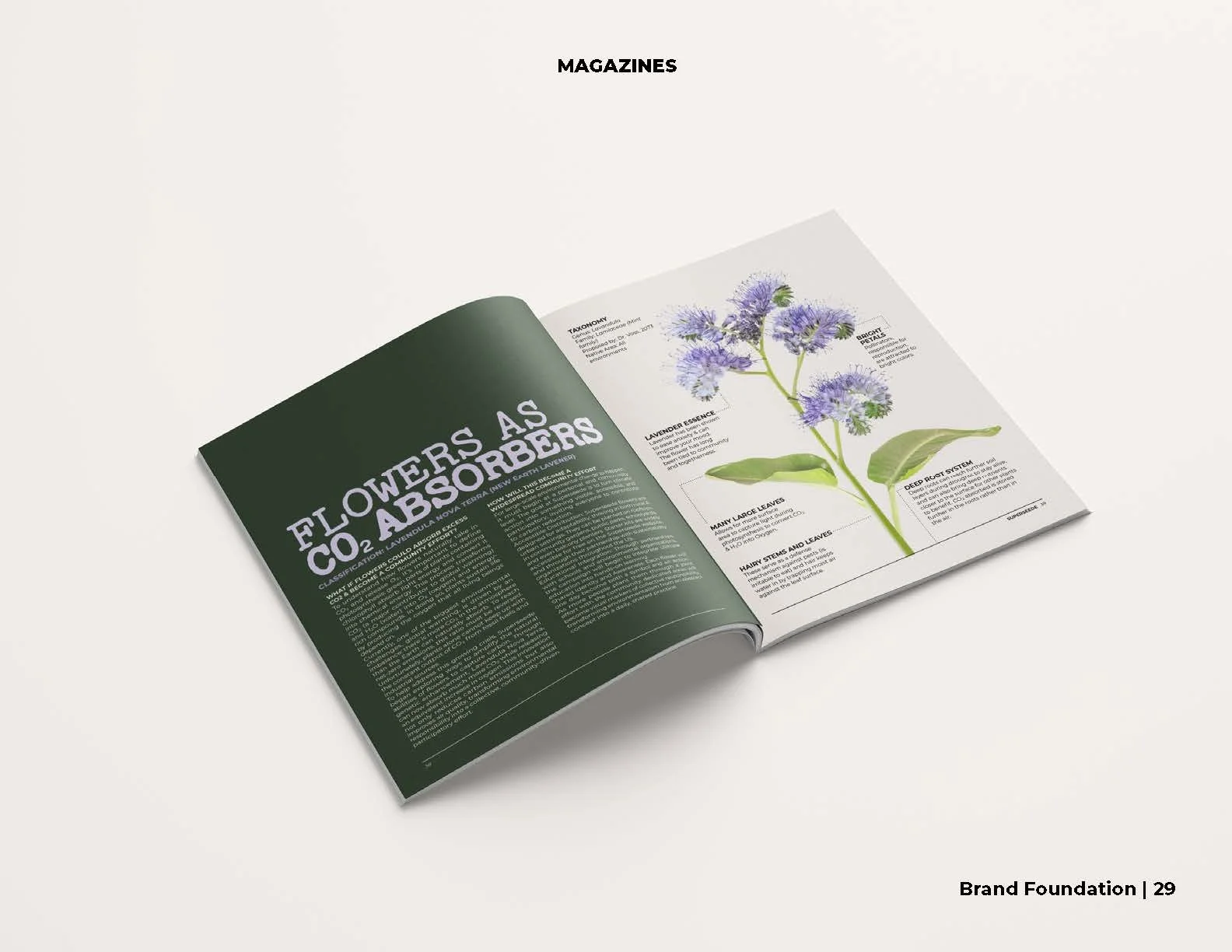
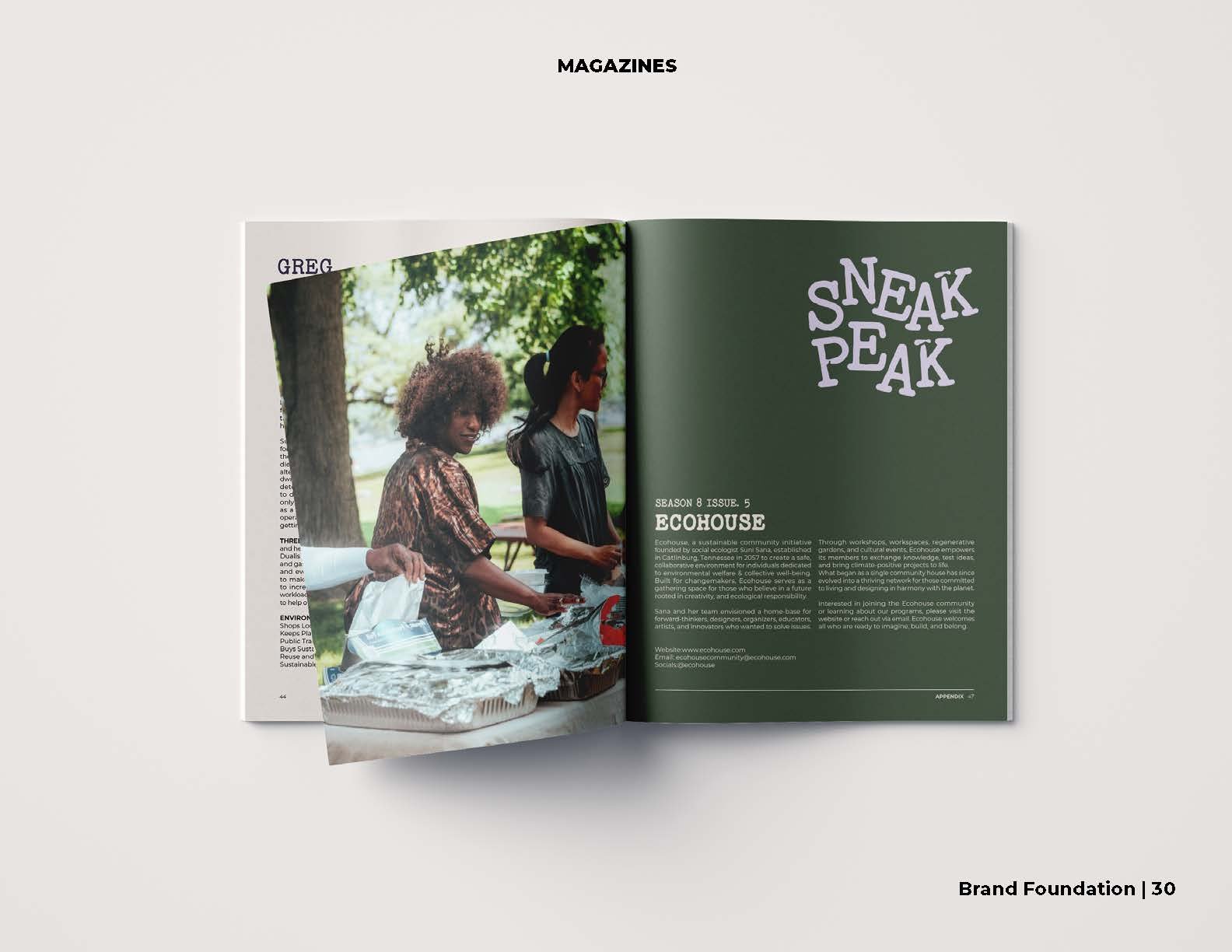
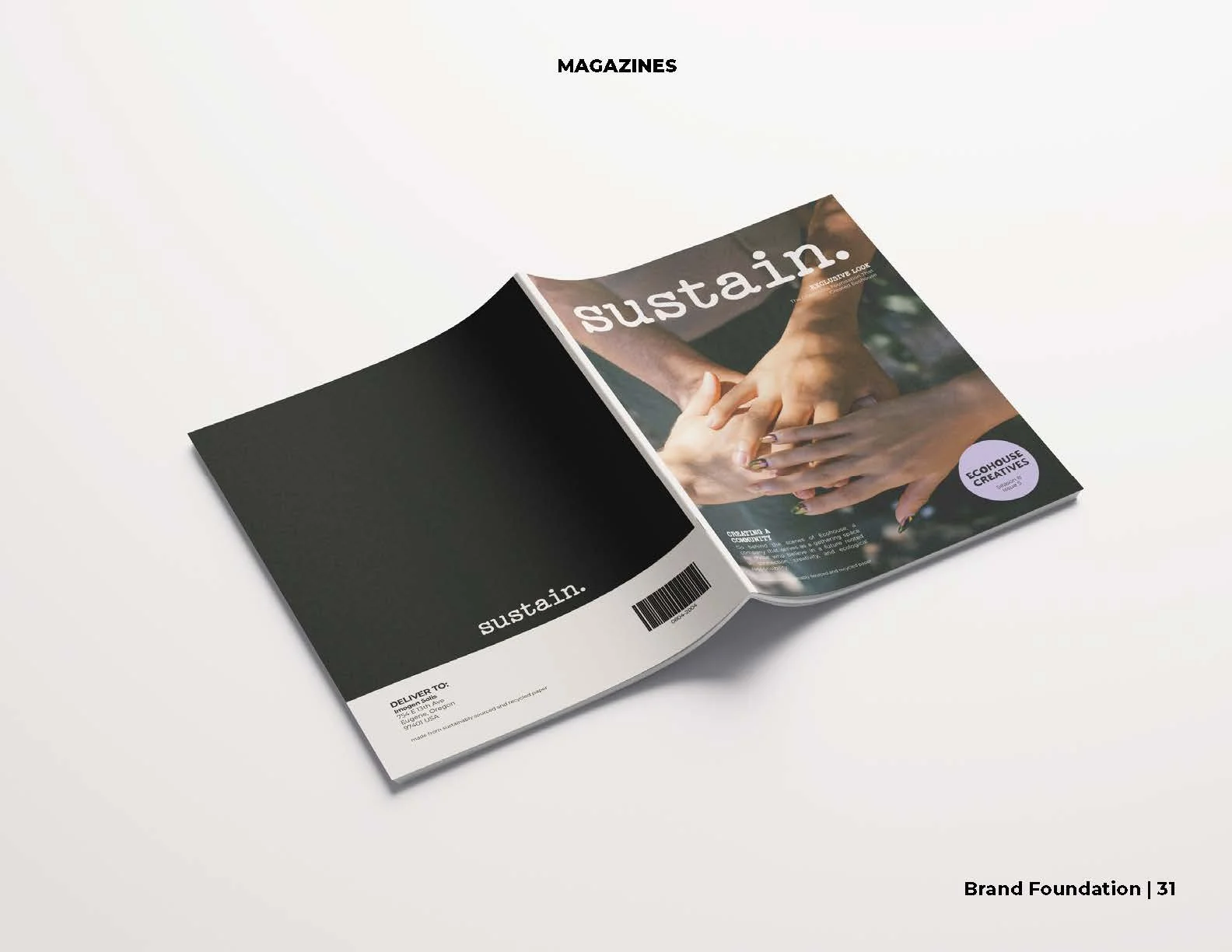

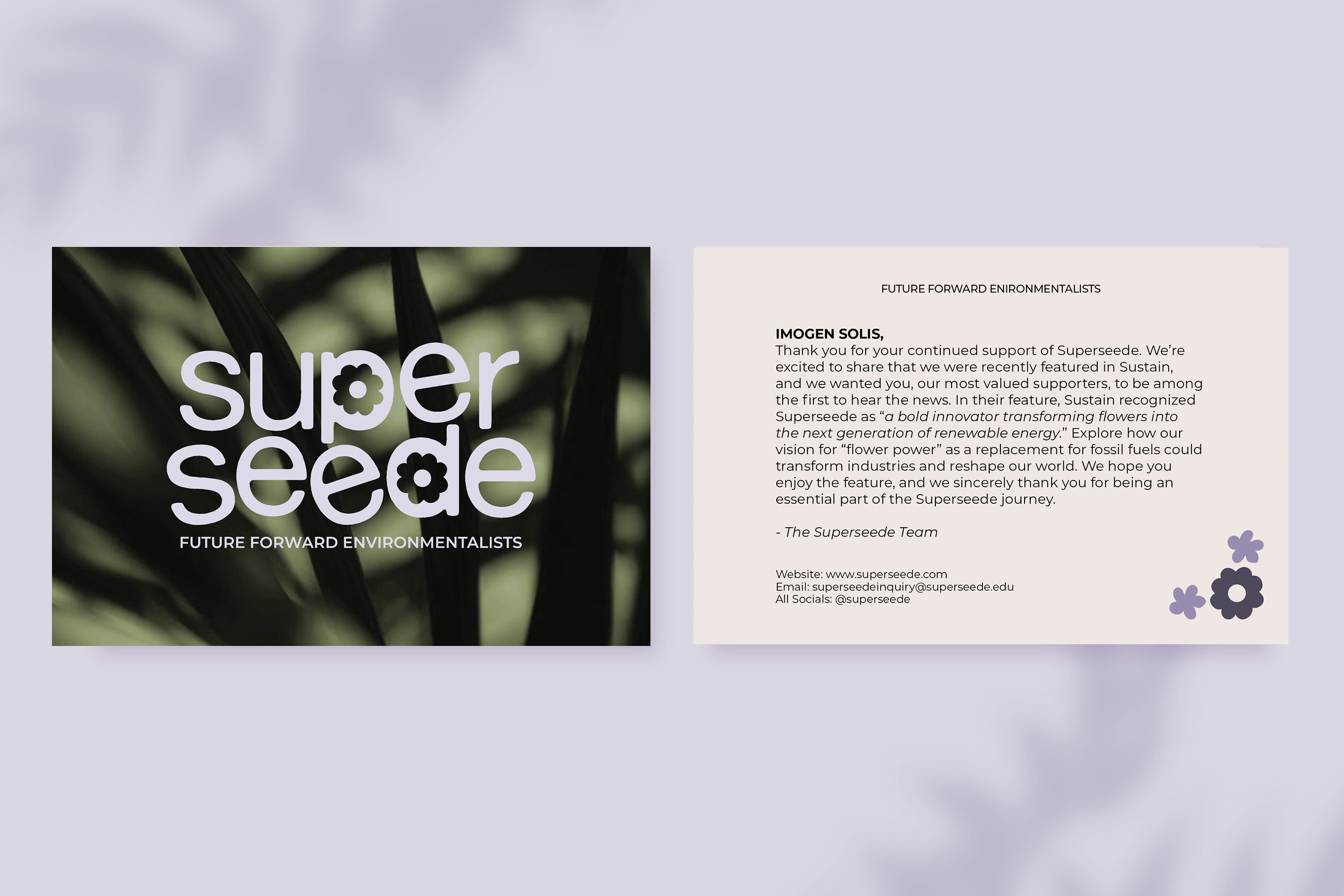
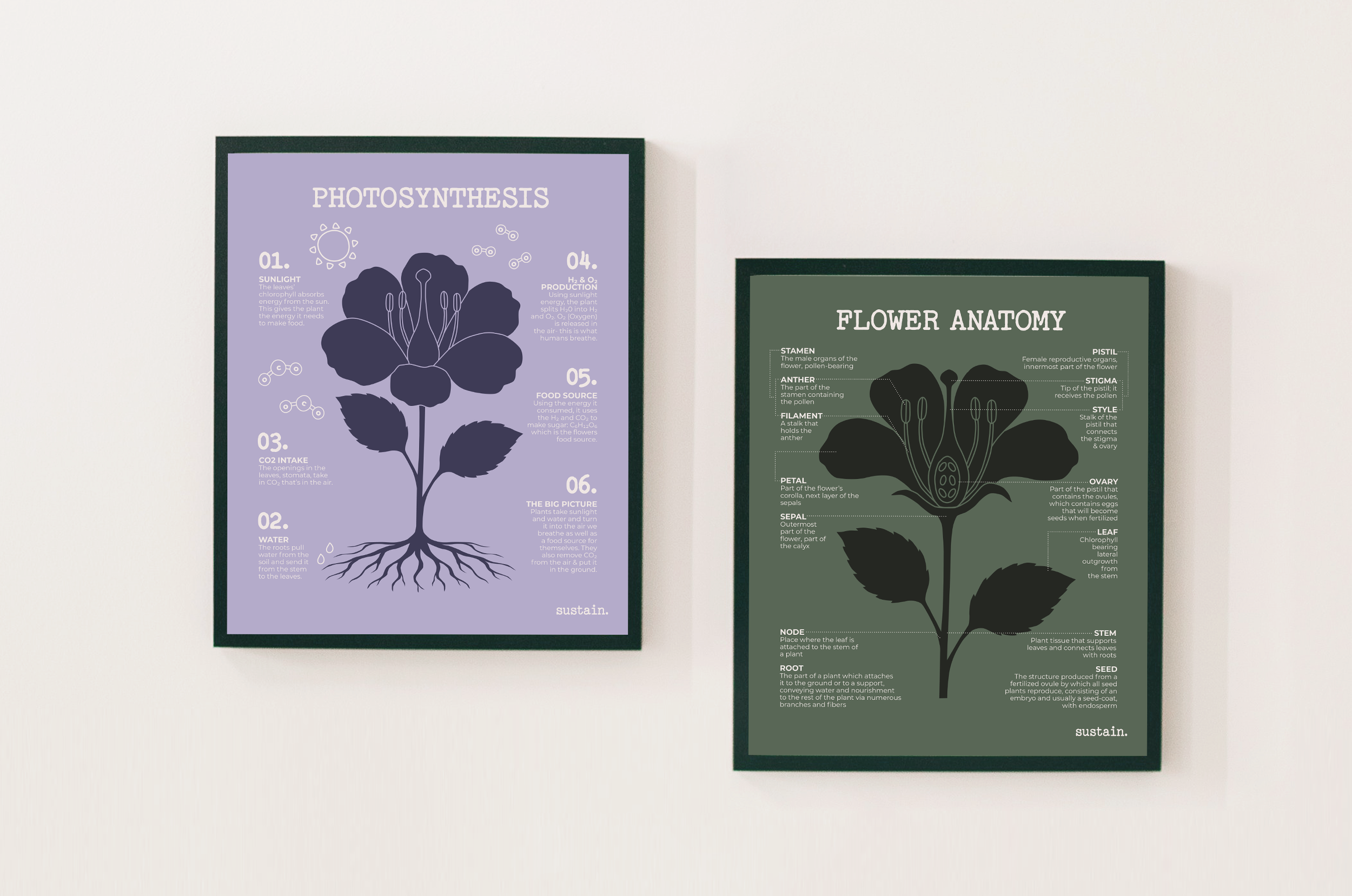
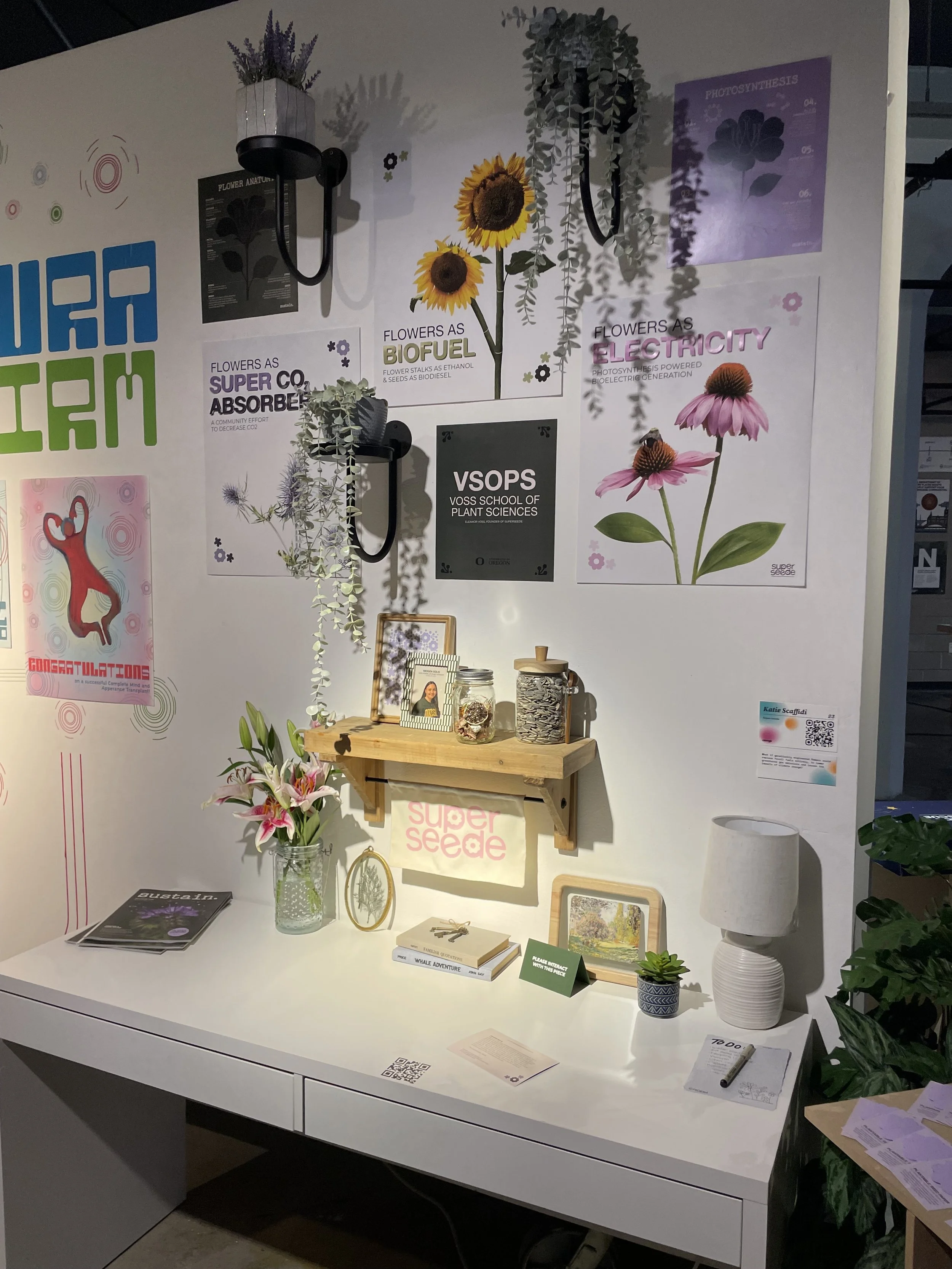
Each edition includes two complimentary posters. Given that Superseede focuses on flowers and their genetics, Superseede and Sustain collaboratively selected diagrams of Photosynthesis and Flower Anatomy to provide both educational value and visual engagement. Superseede also sent a postcard to their top customers and followers as a gesture of appreciation.
THE DELIVERY
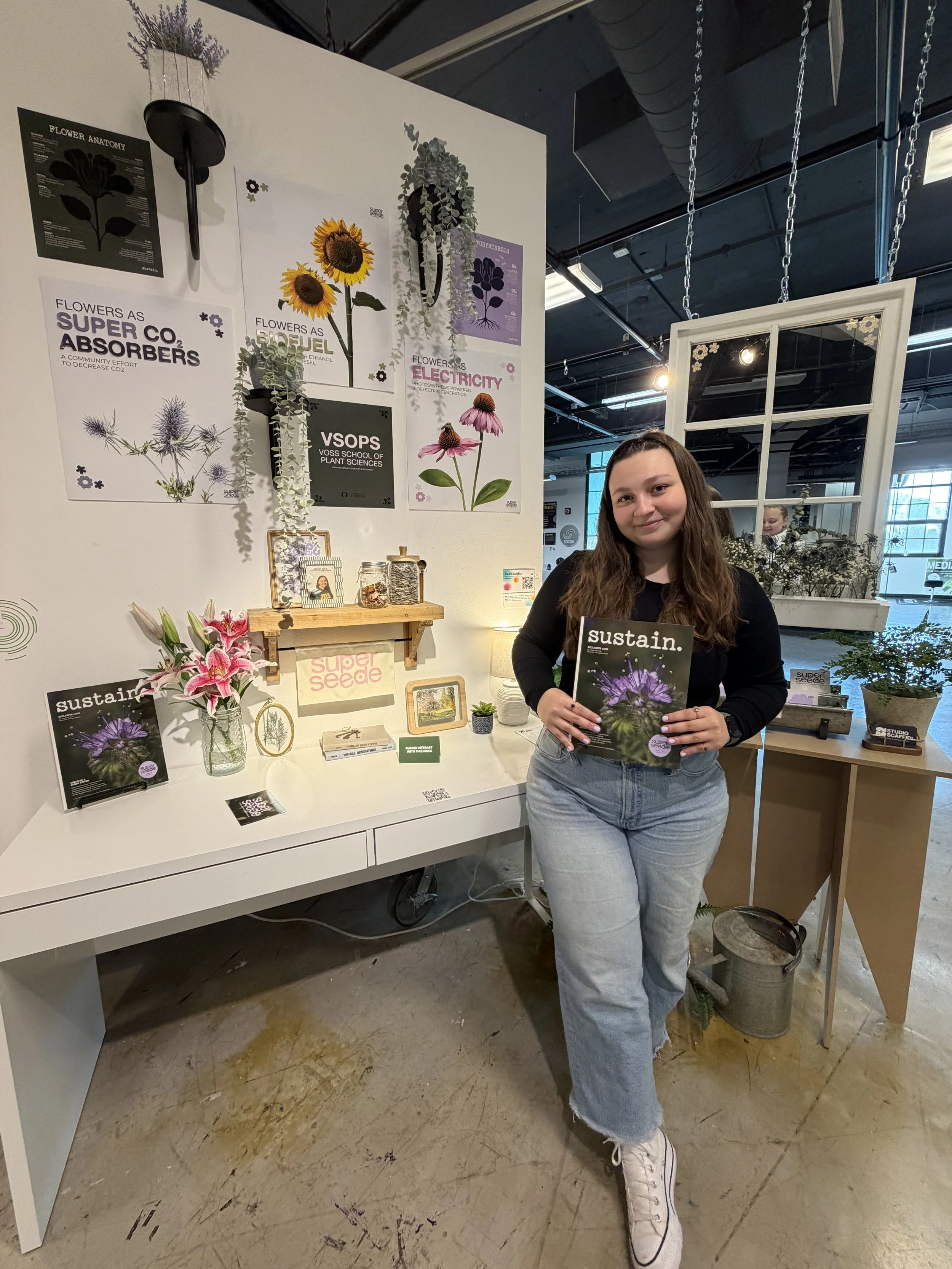
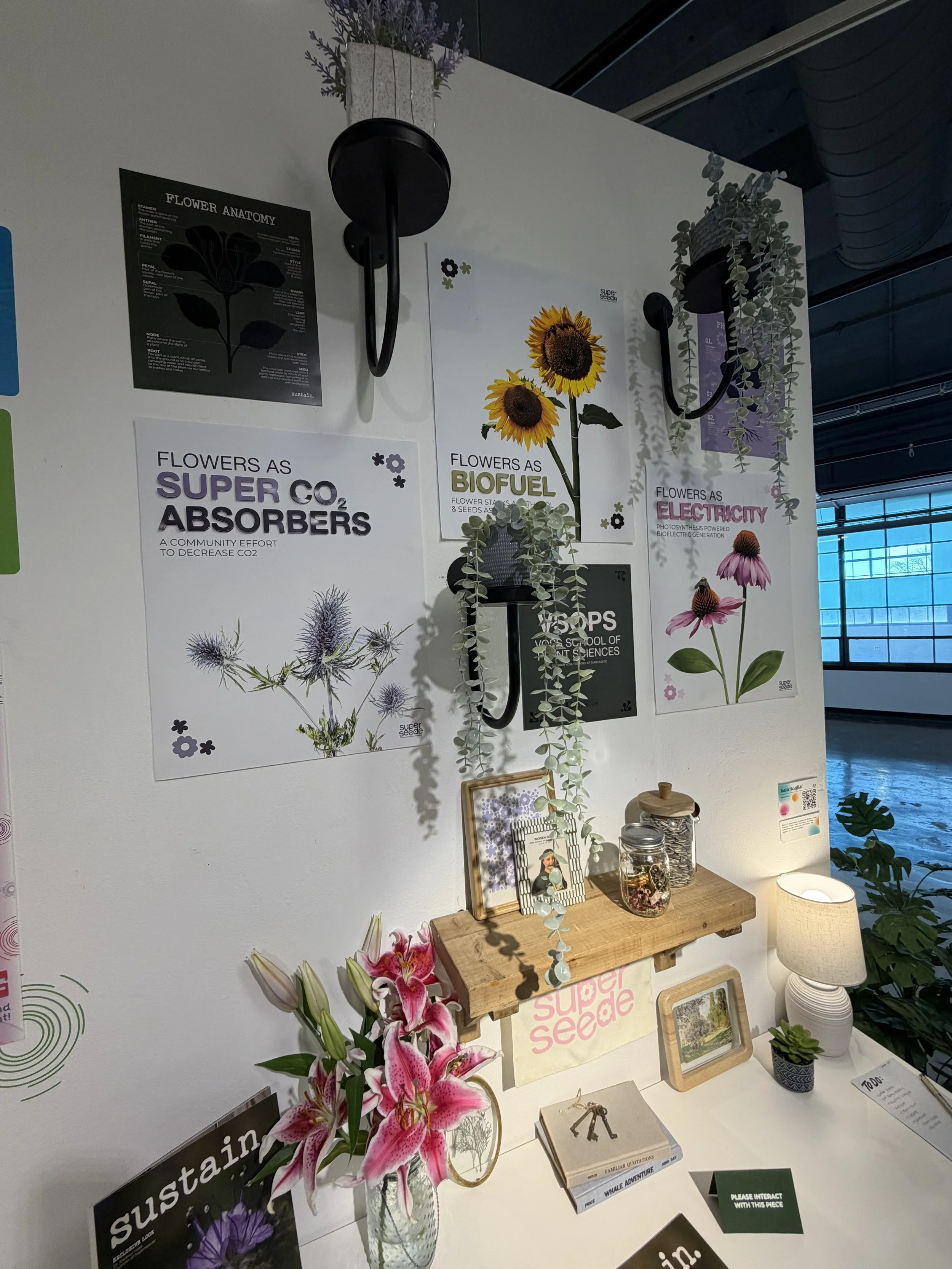
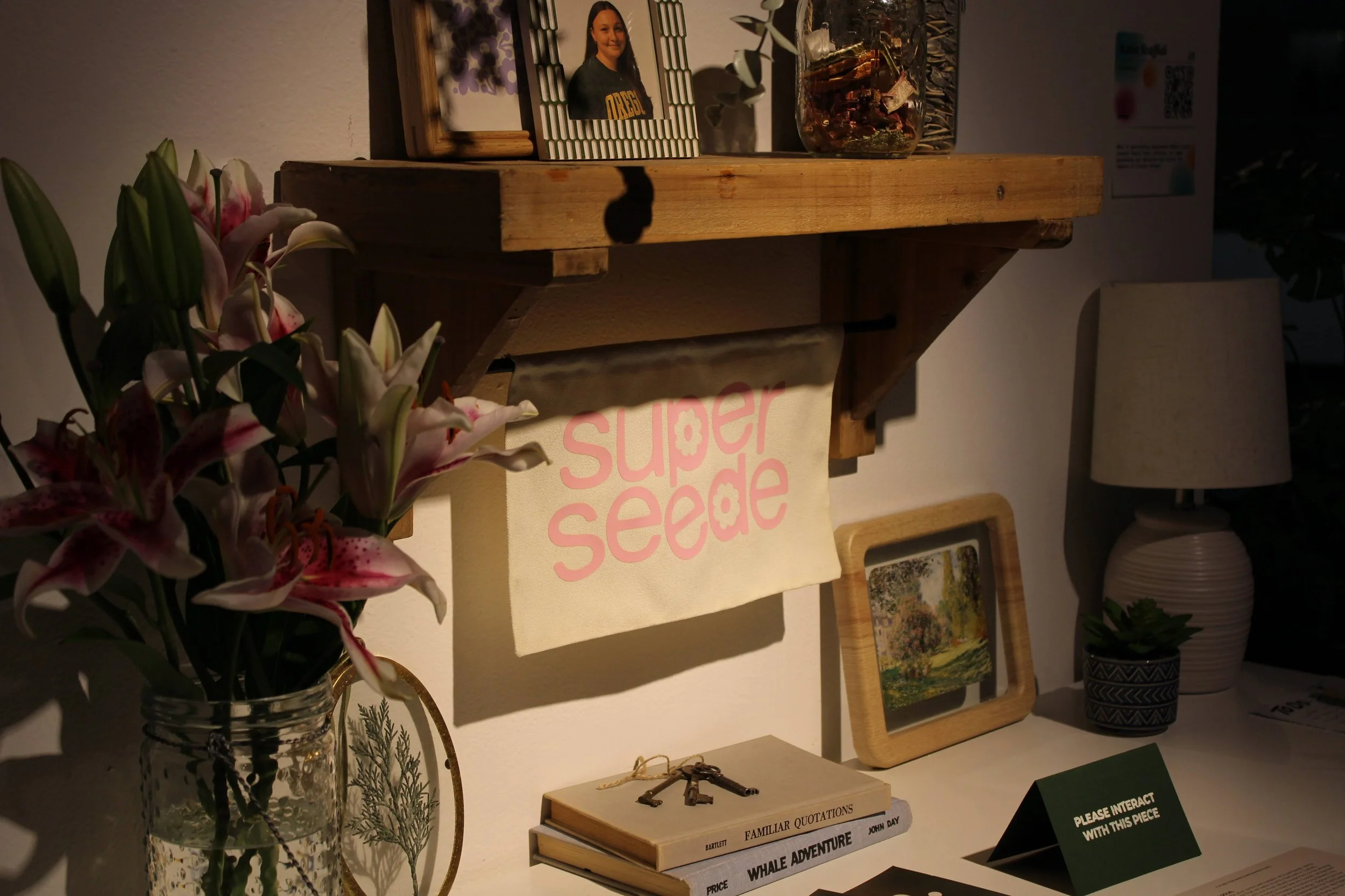
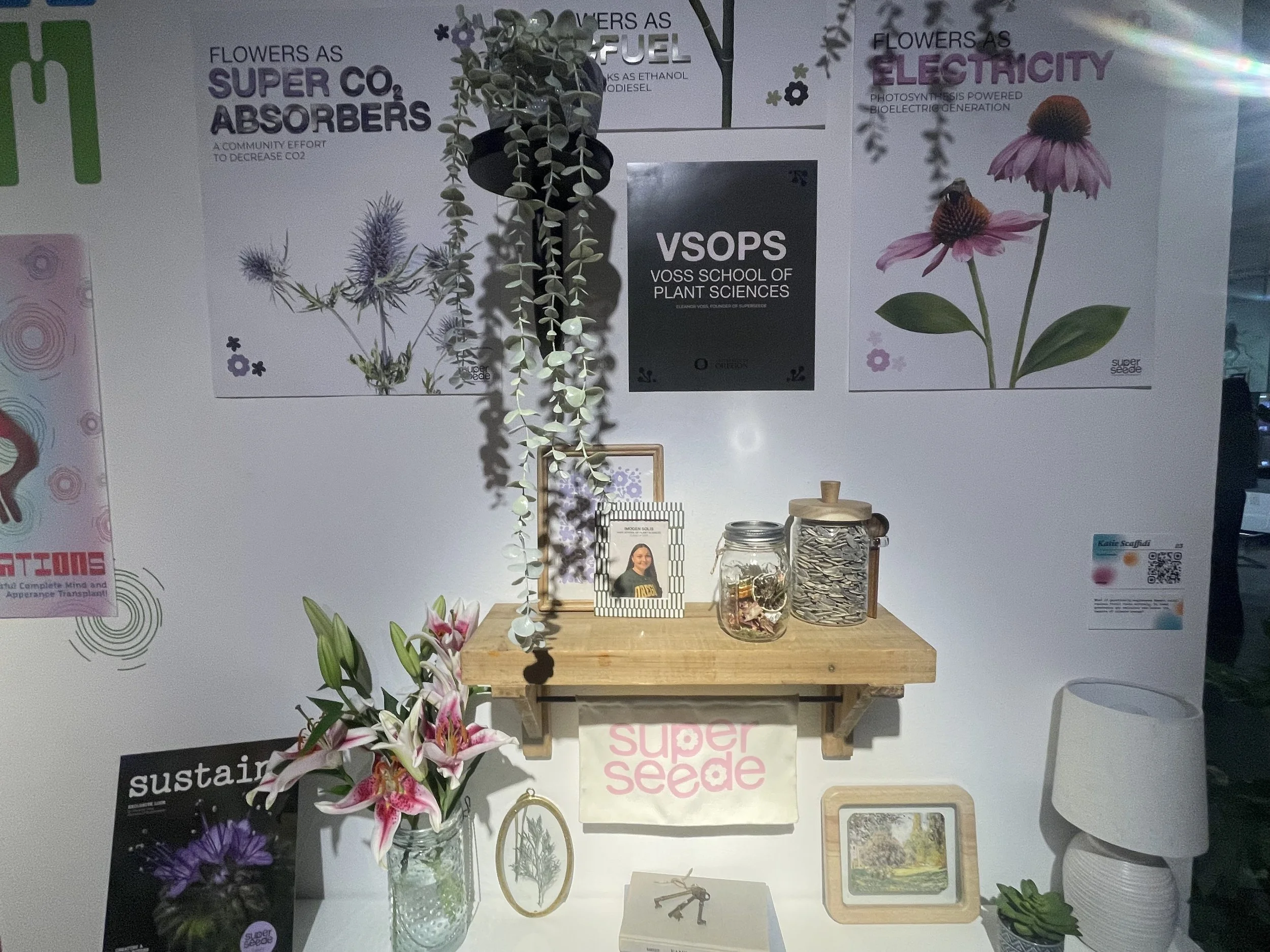
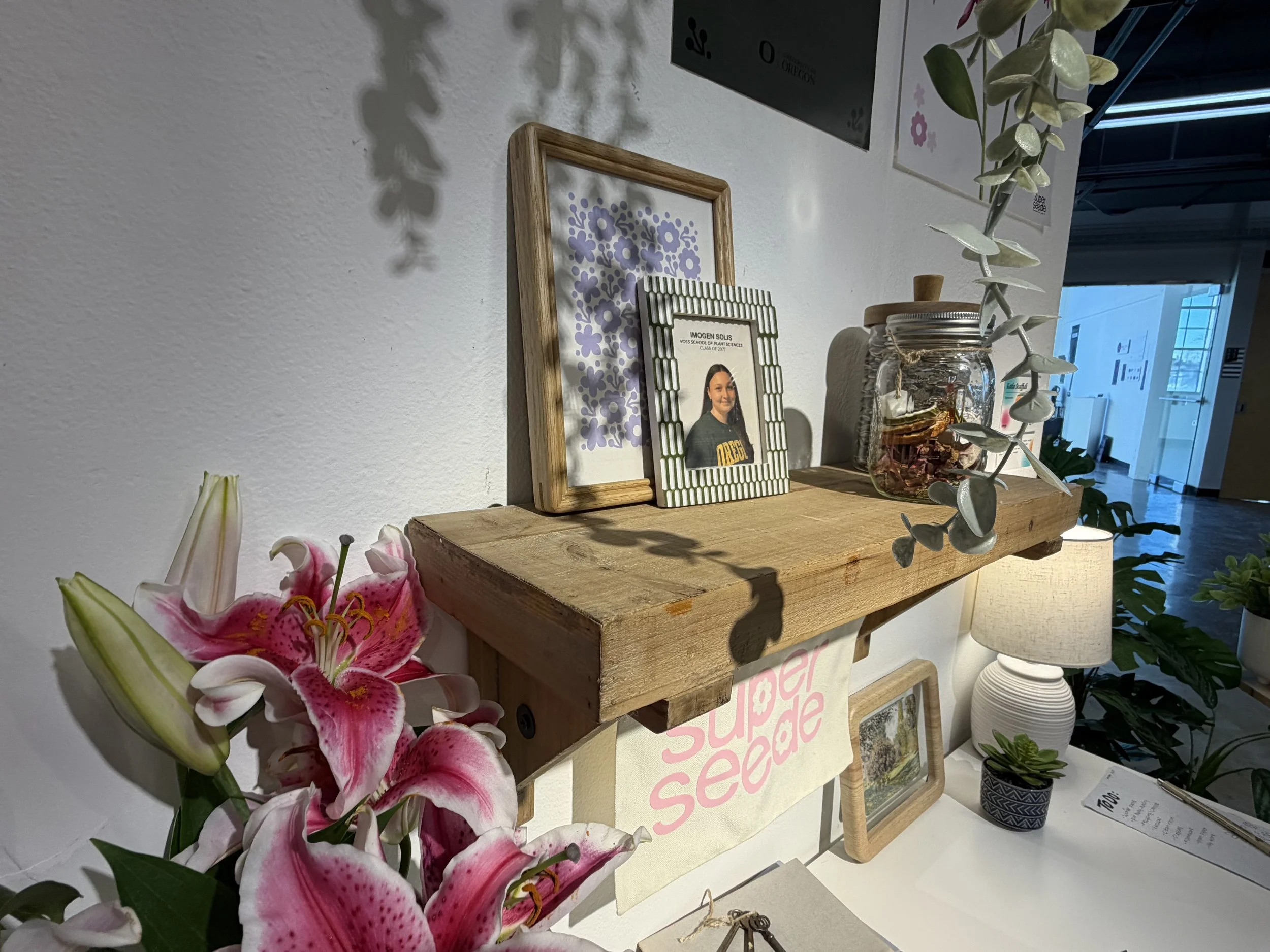
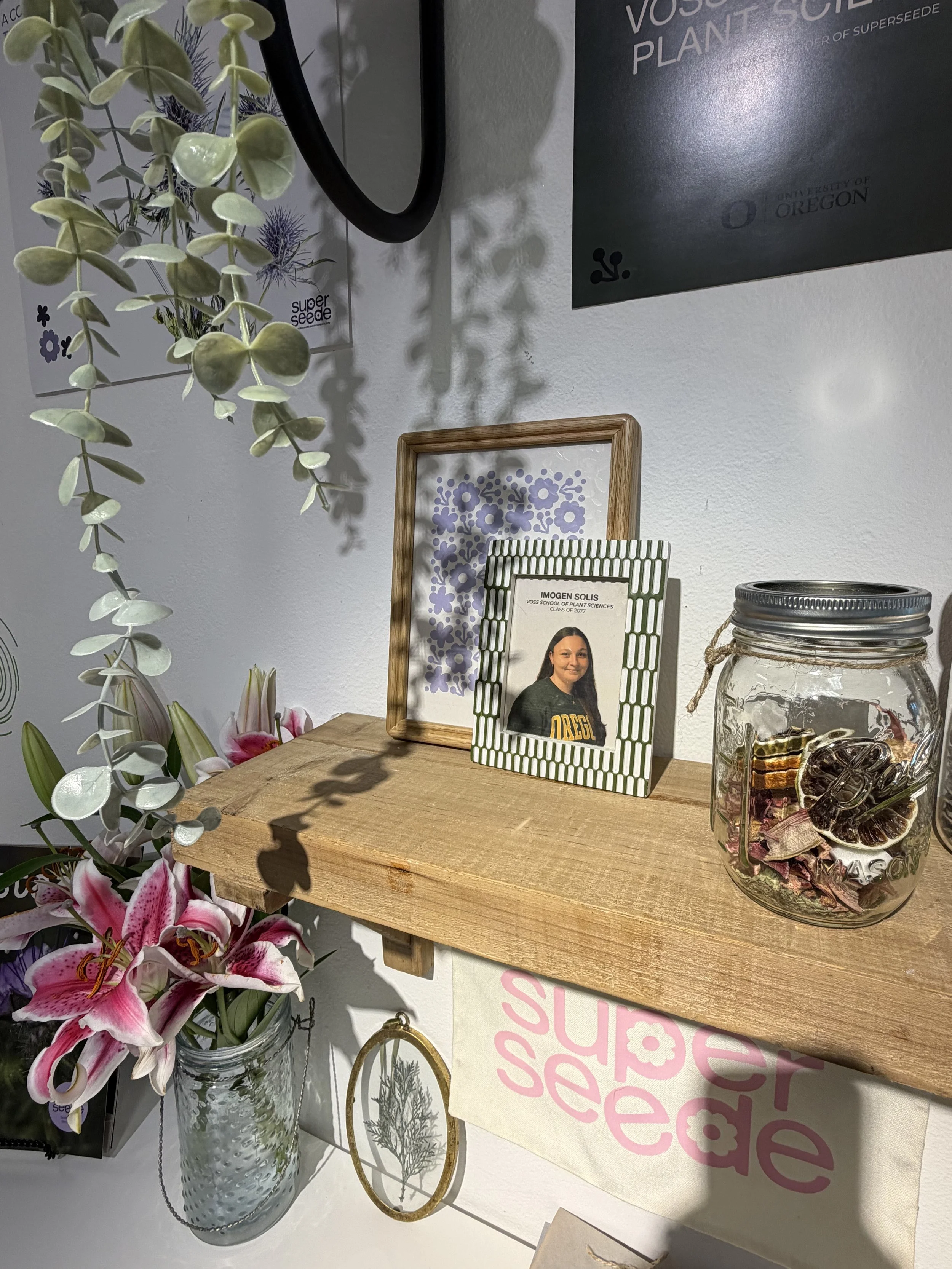
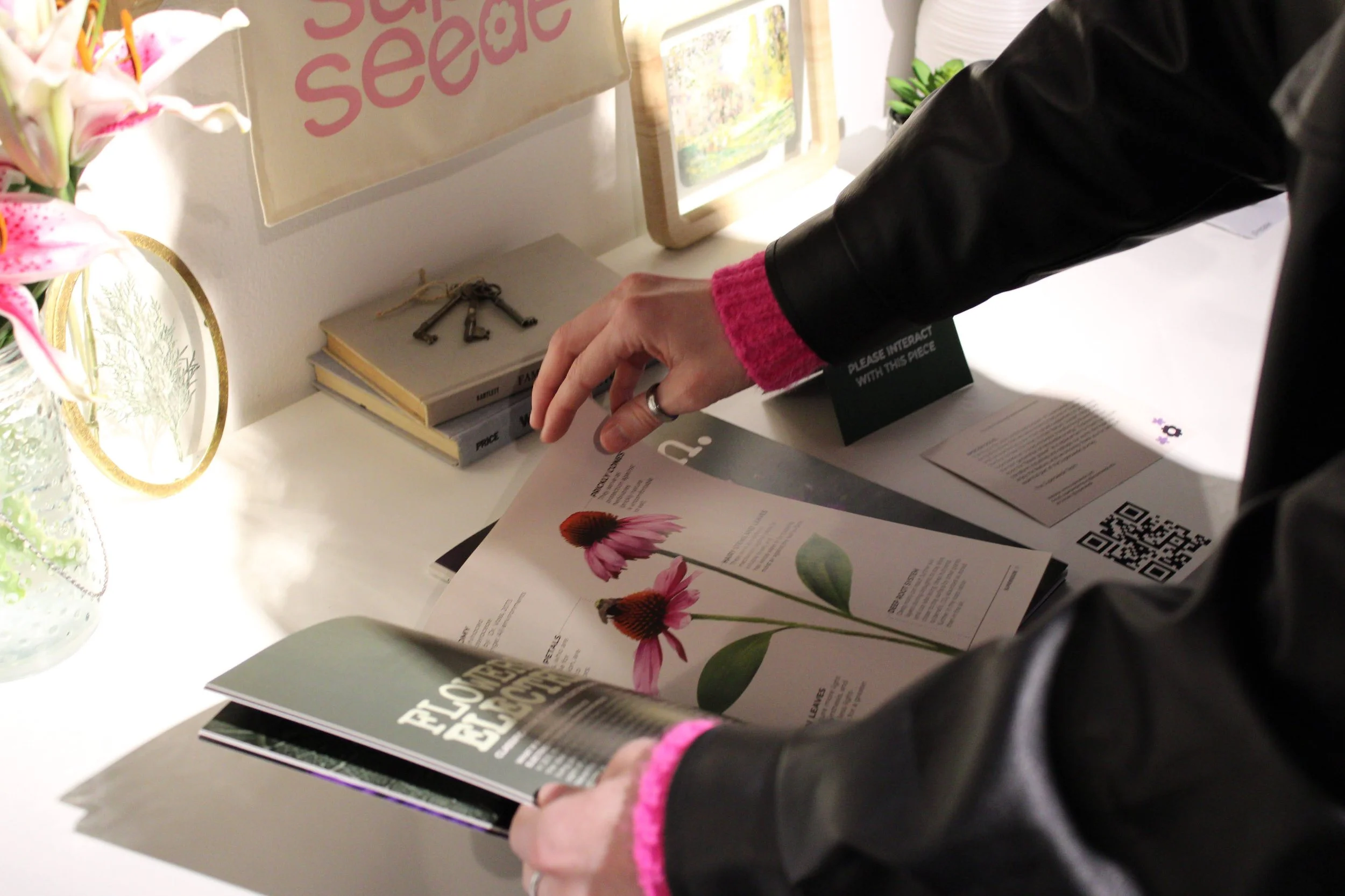
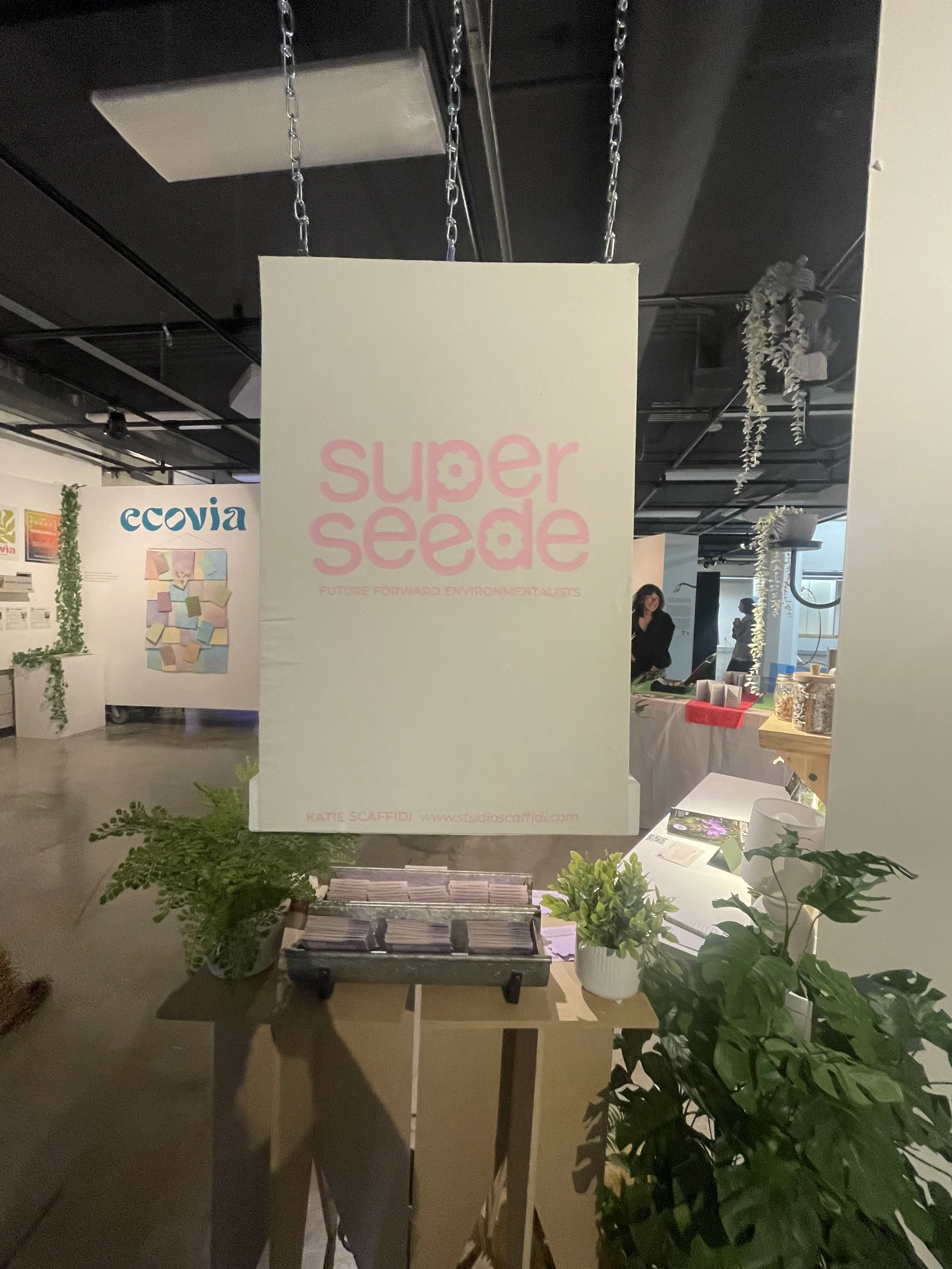
The world building then took its own form in the shape of a showcase, with parameters of a 5ft by 8ft wall.
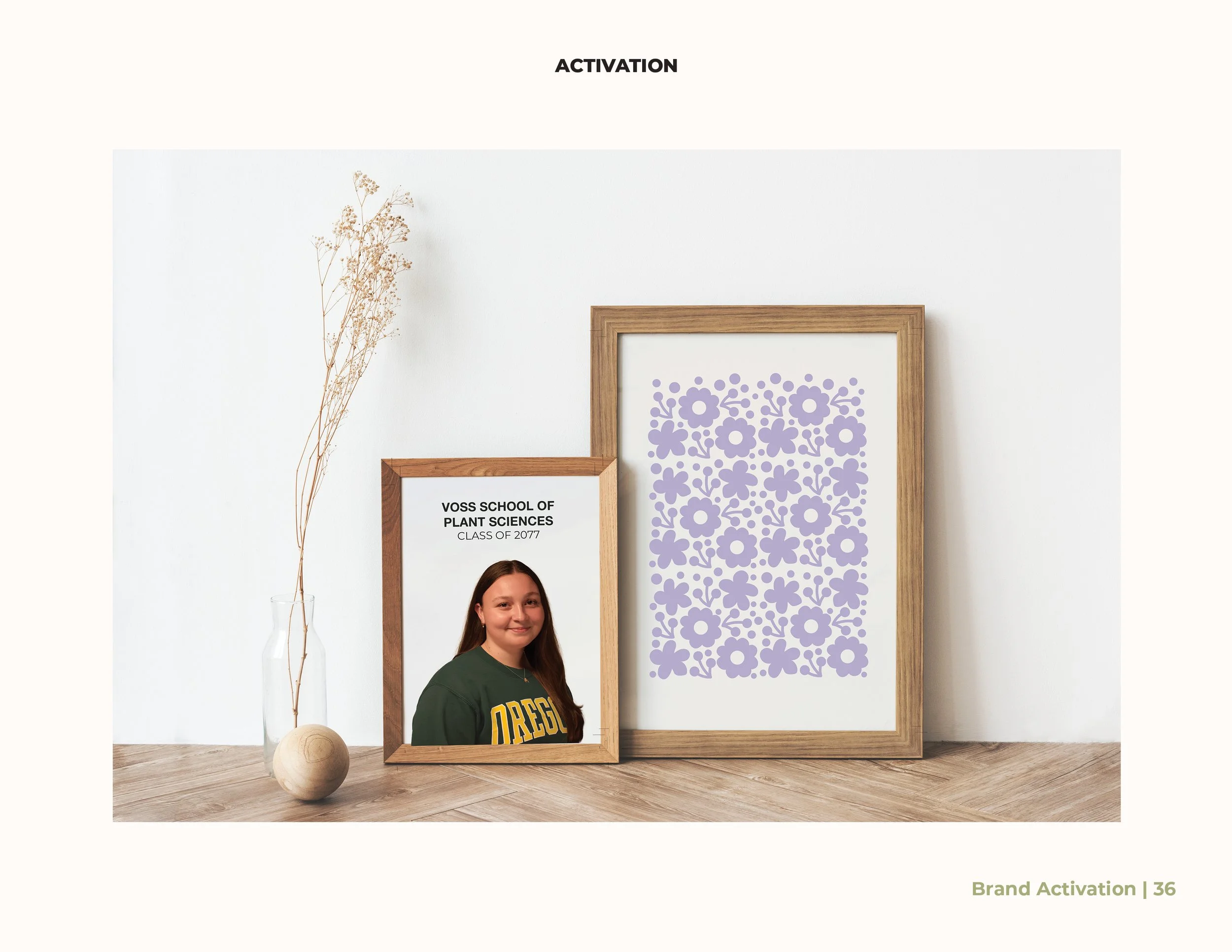
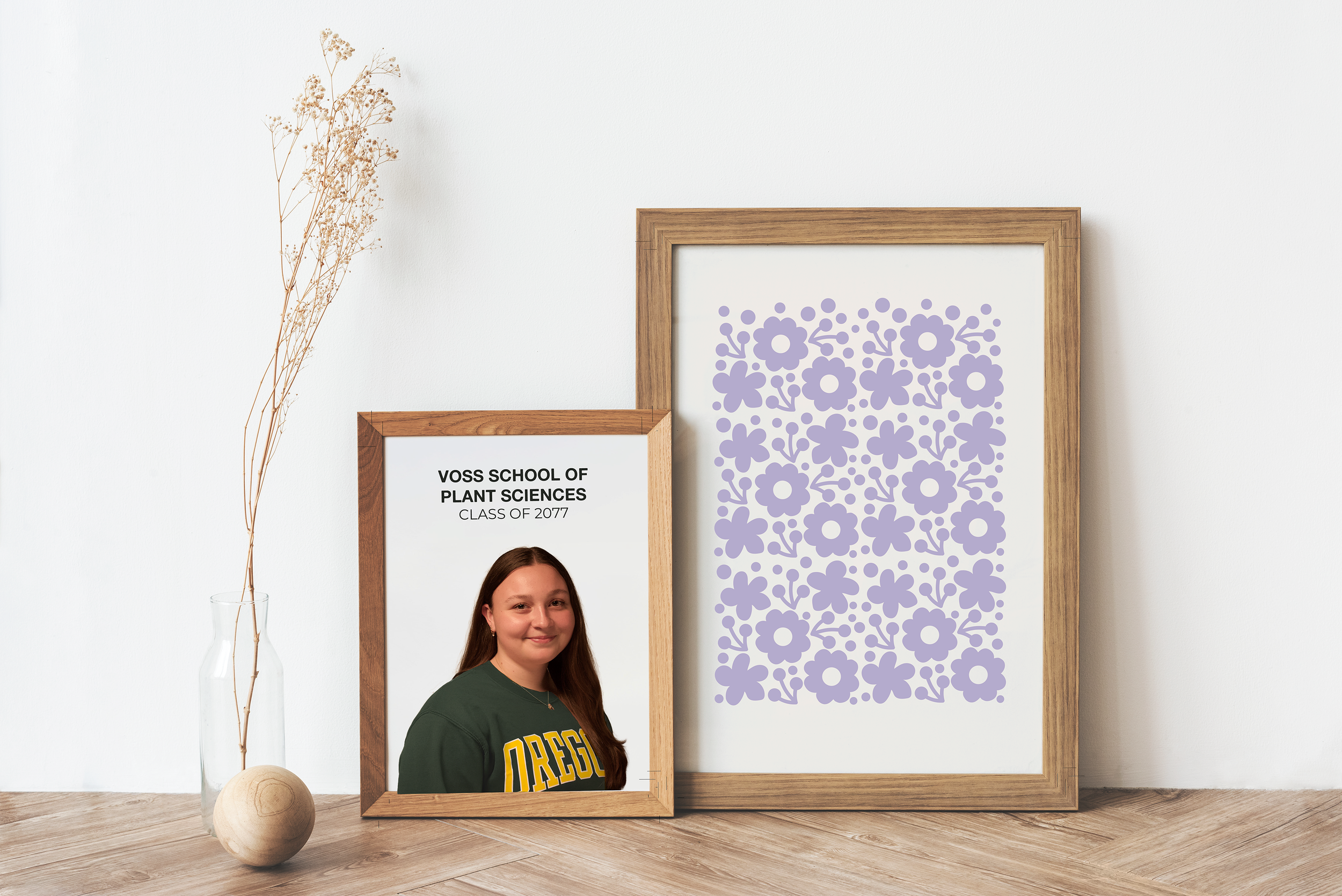
This world imagines the dorm room of 20 year old, student Imogen Solis. At the University of Oregon, she studies plant science and is minoring in horticulture at the Voss School of Plant Sciences Program- founded by Eleanor Voss, CEO of Superseede.
She grew up in the aftermath of the climate crisis and she strives to help procure a better environment.
FOR THE SHOWCASE

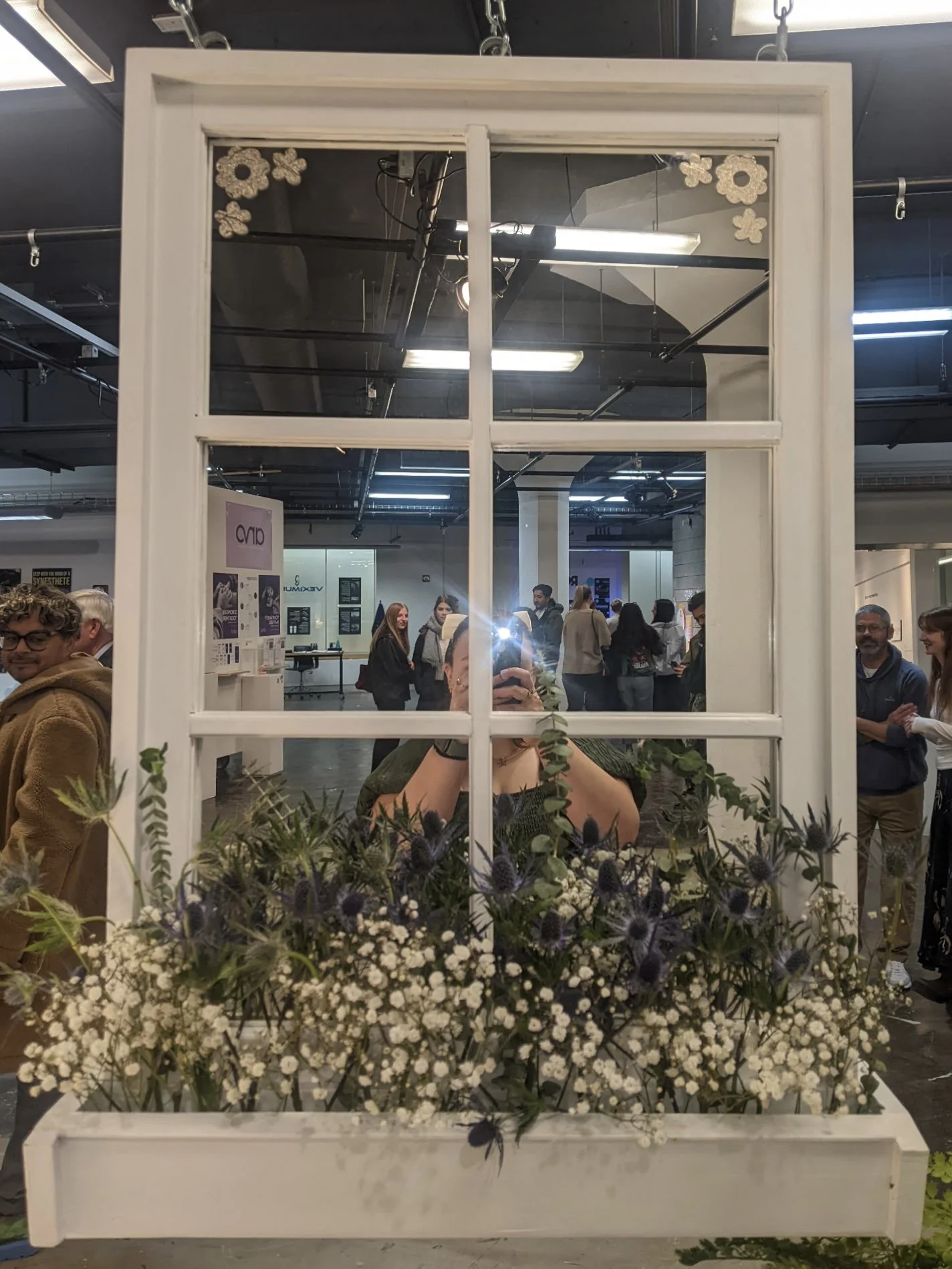
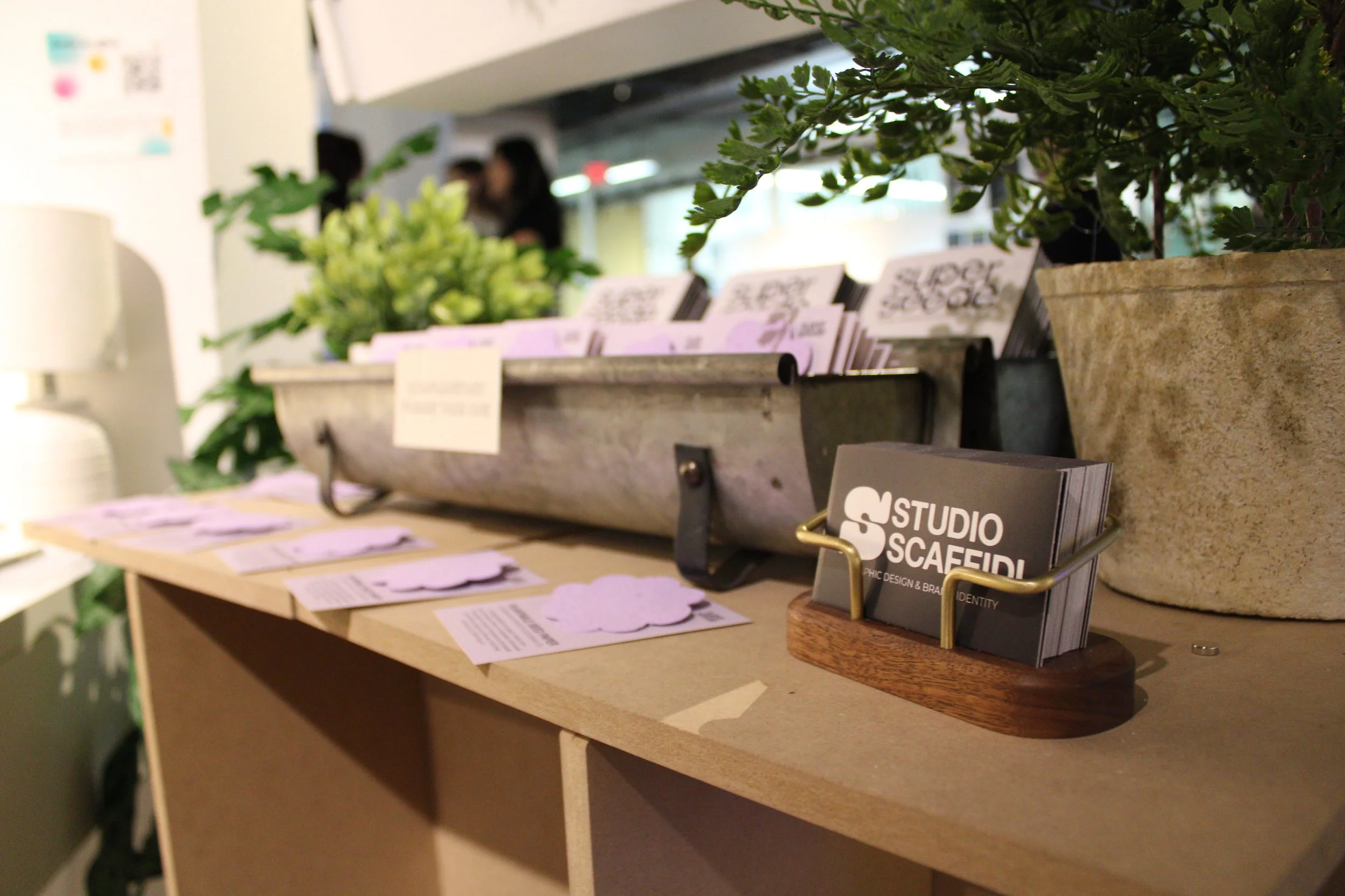
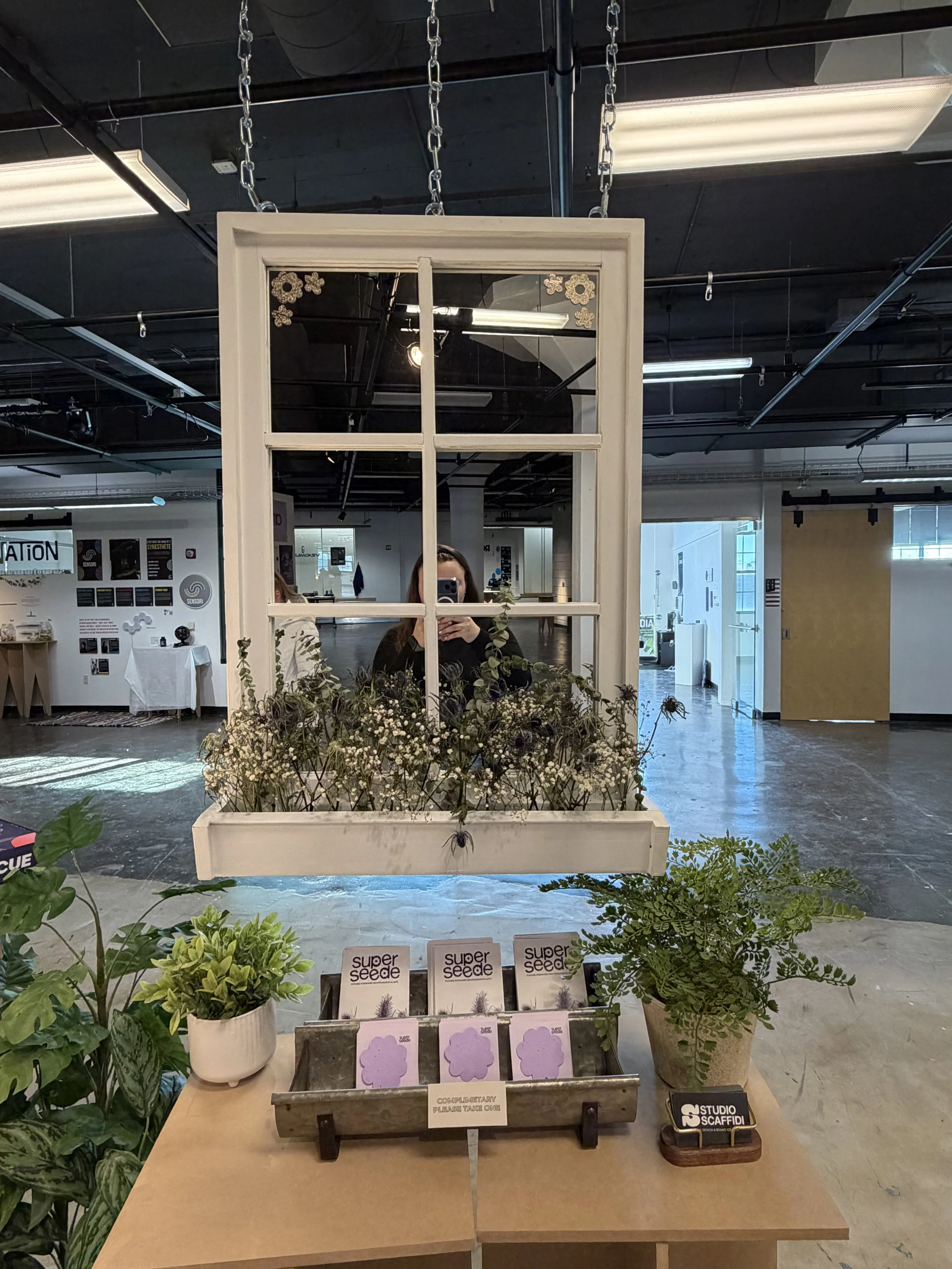
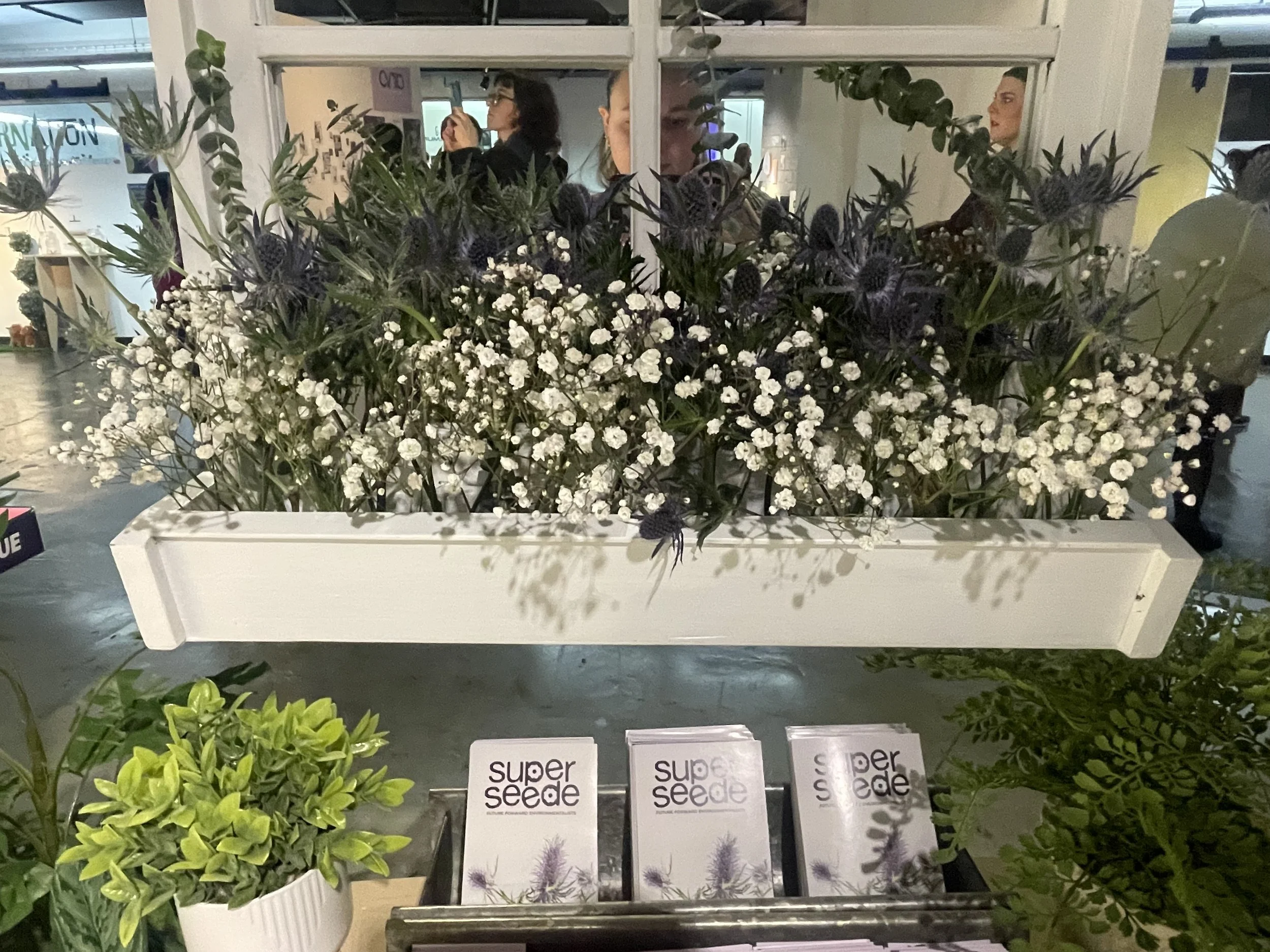
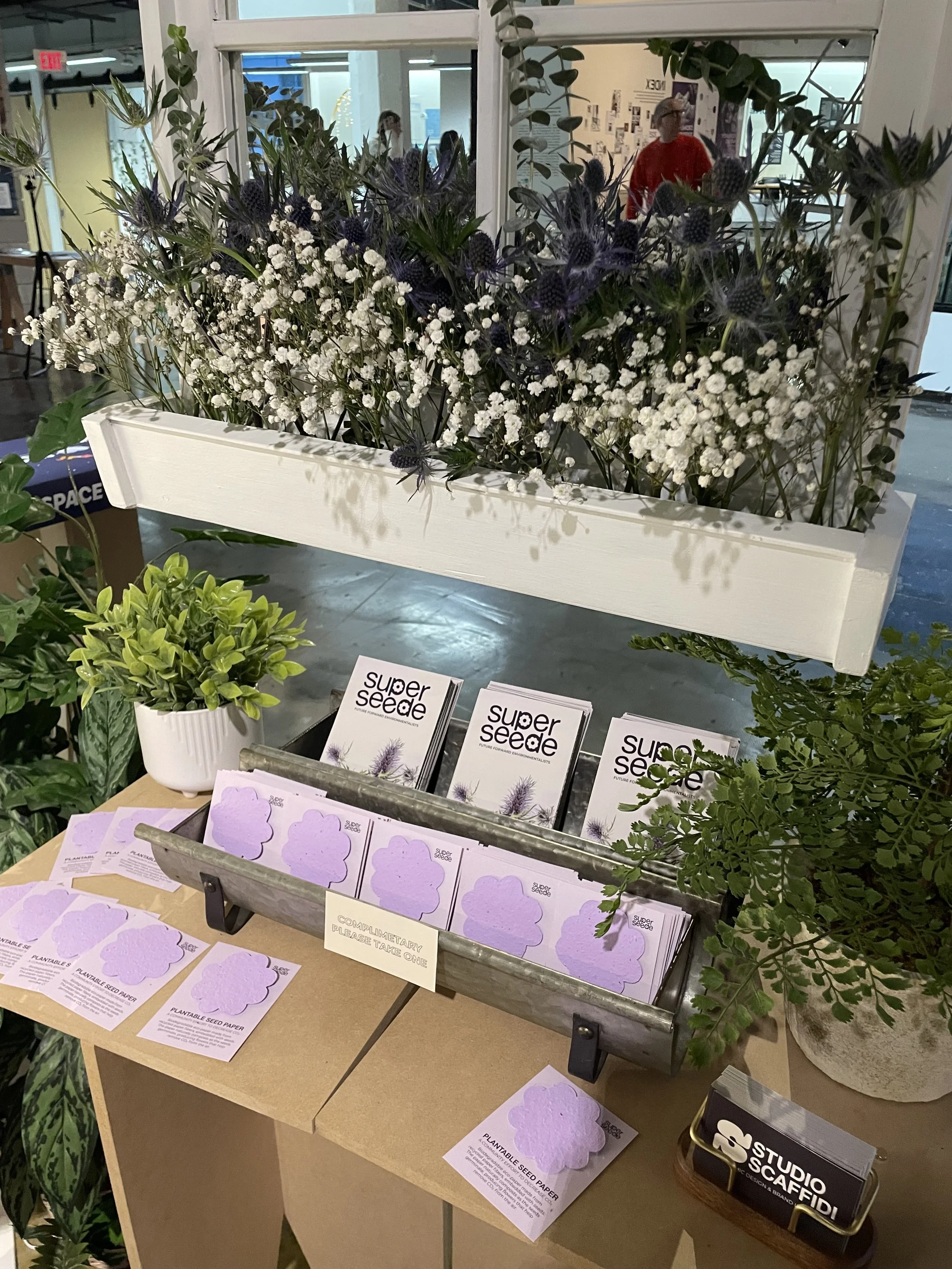
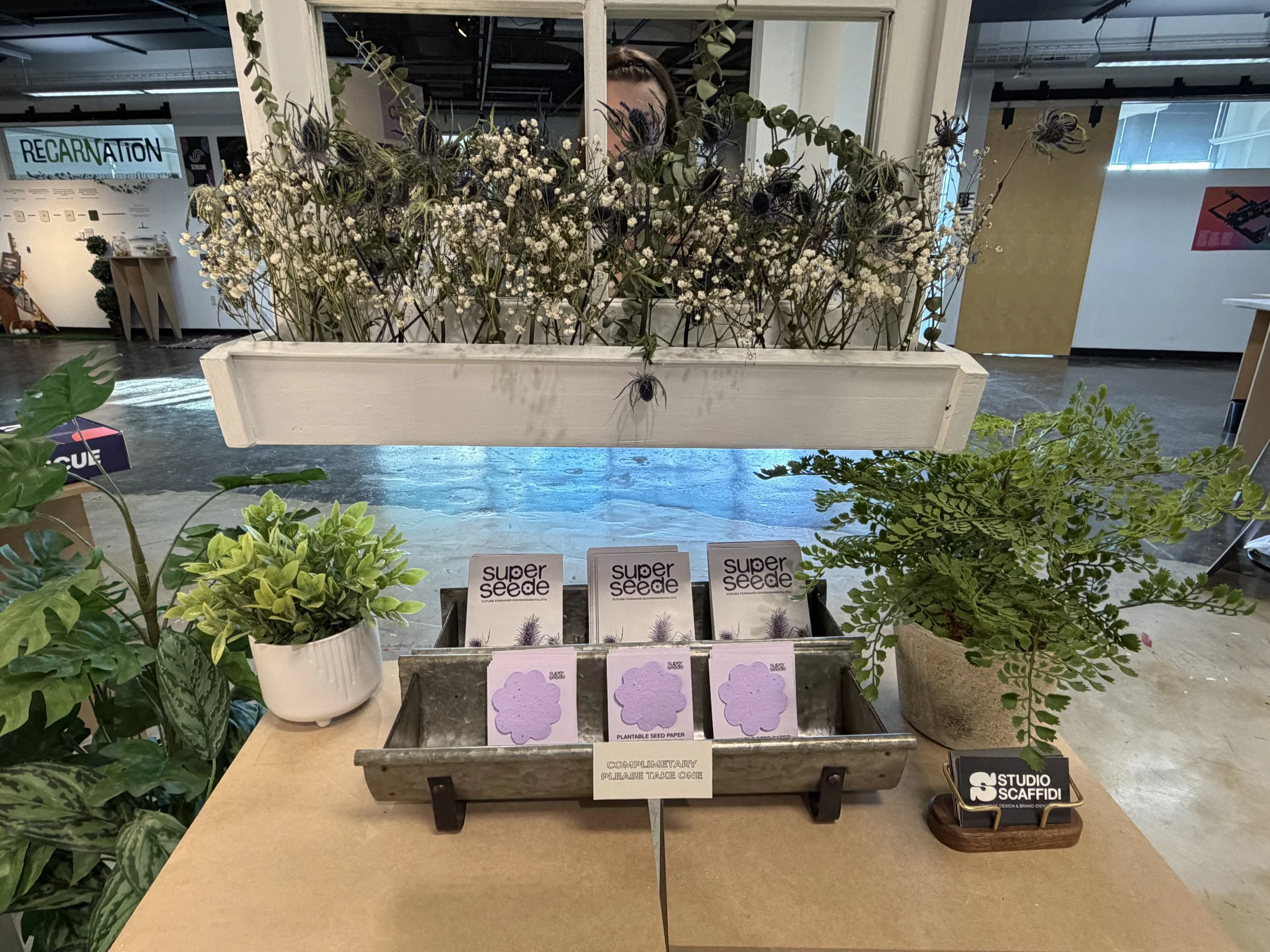
As a gift and educational resource for showcase attendees, I offered two optional take-home pieces.
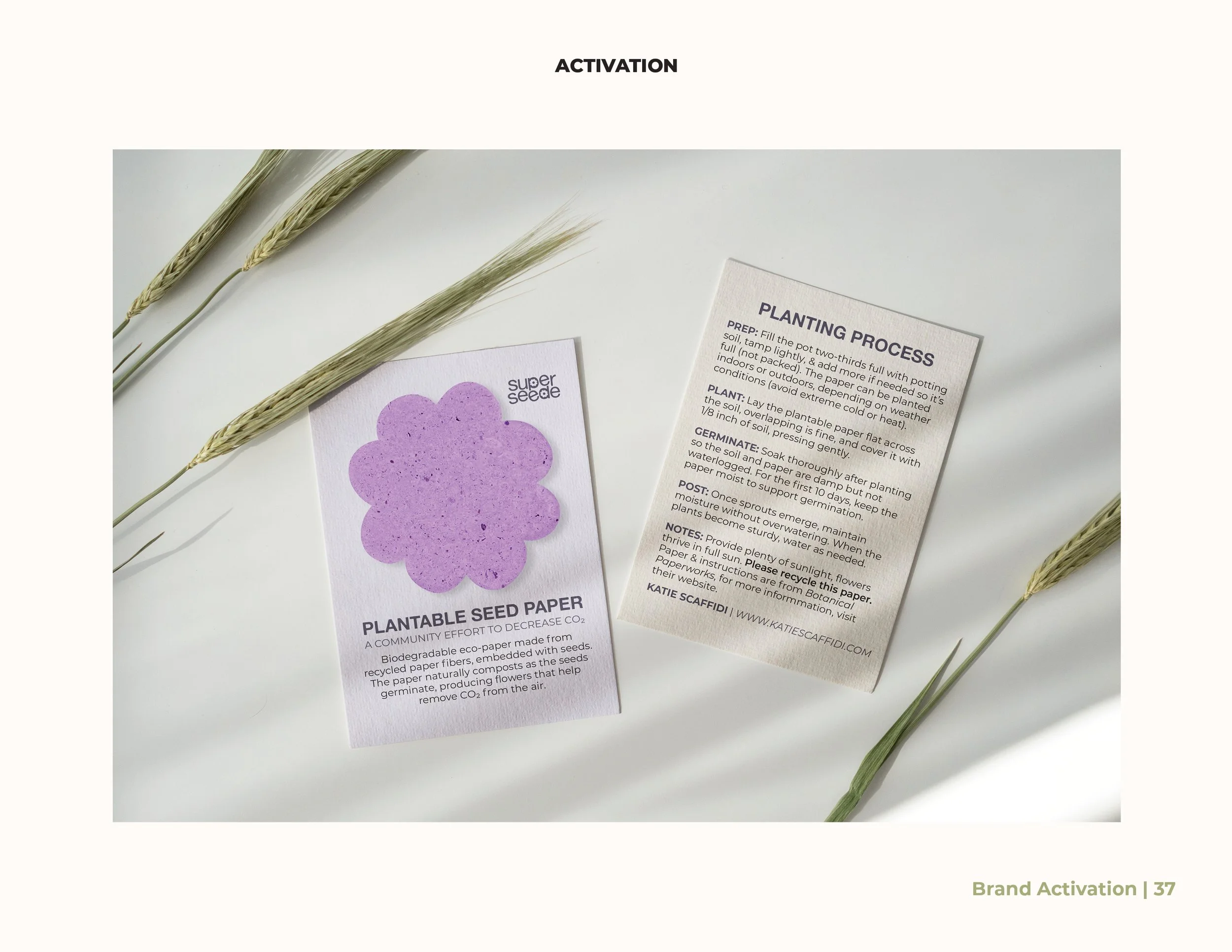
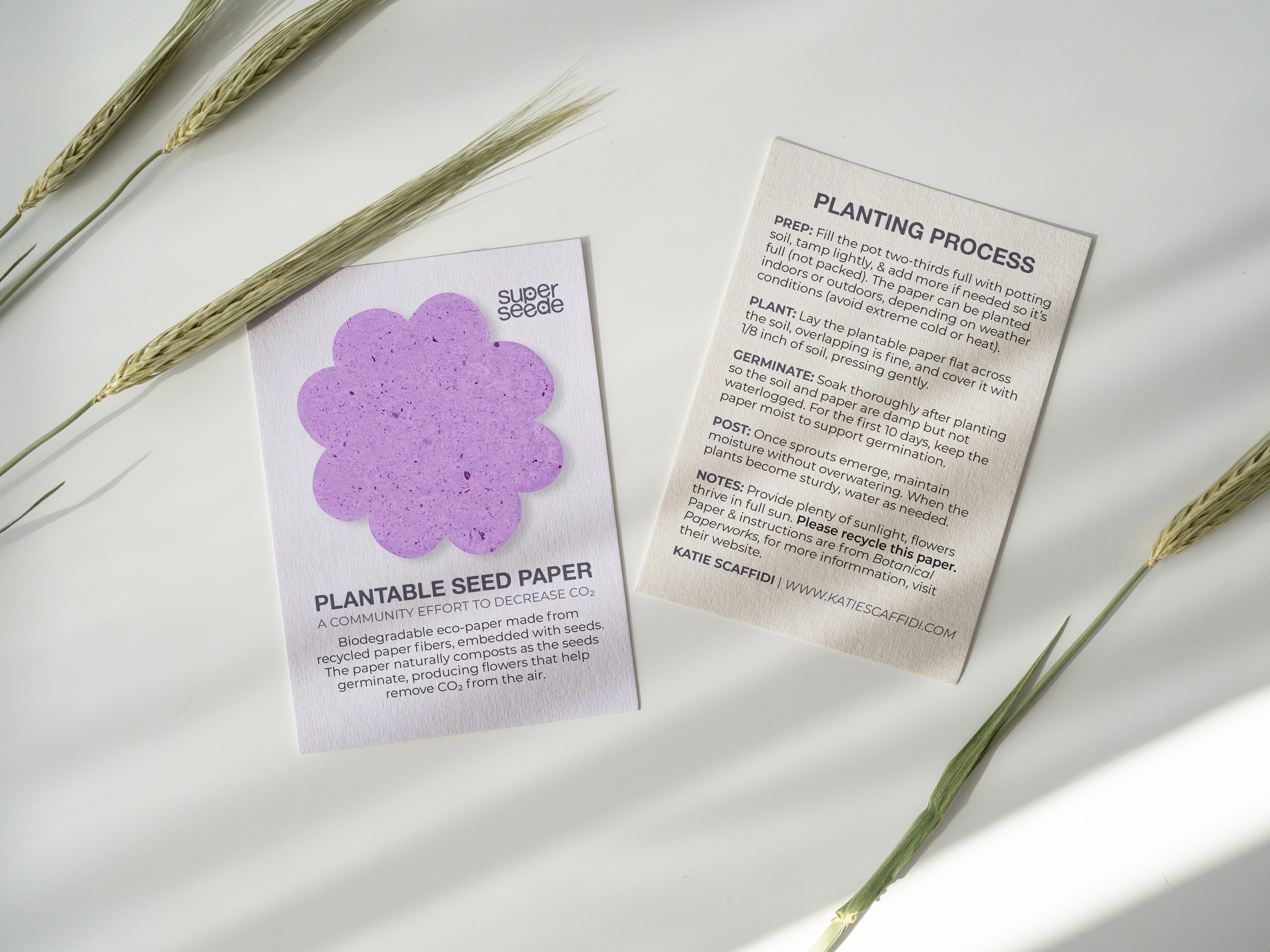
The first was plantable seed paper that dissolves completely when planted, growing into wildflowers. This initiative encourages a community effort to reduce CO₂ in the atmosphere while demonstrating how simple it can be to take small, impactful steps toward helping the planet.
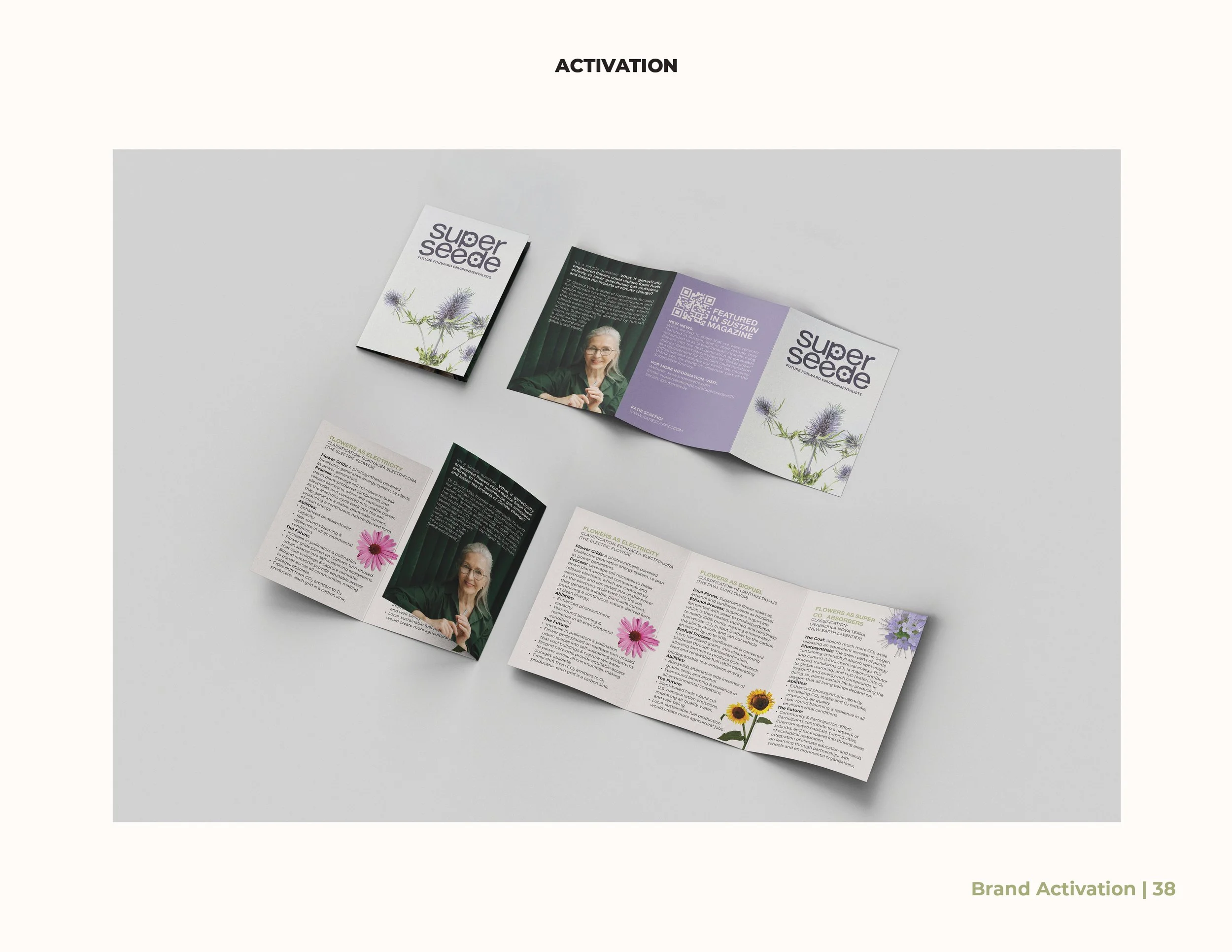
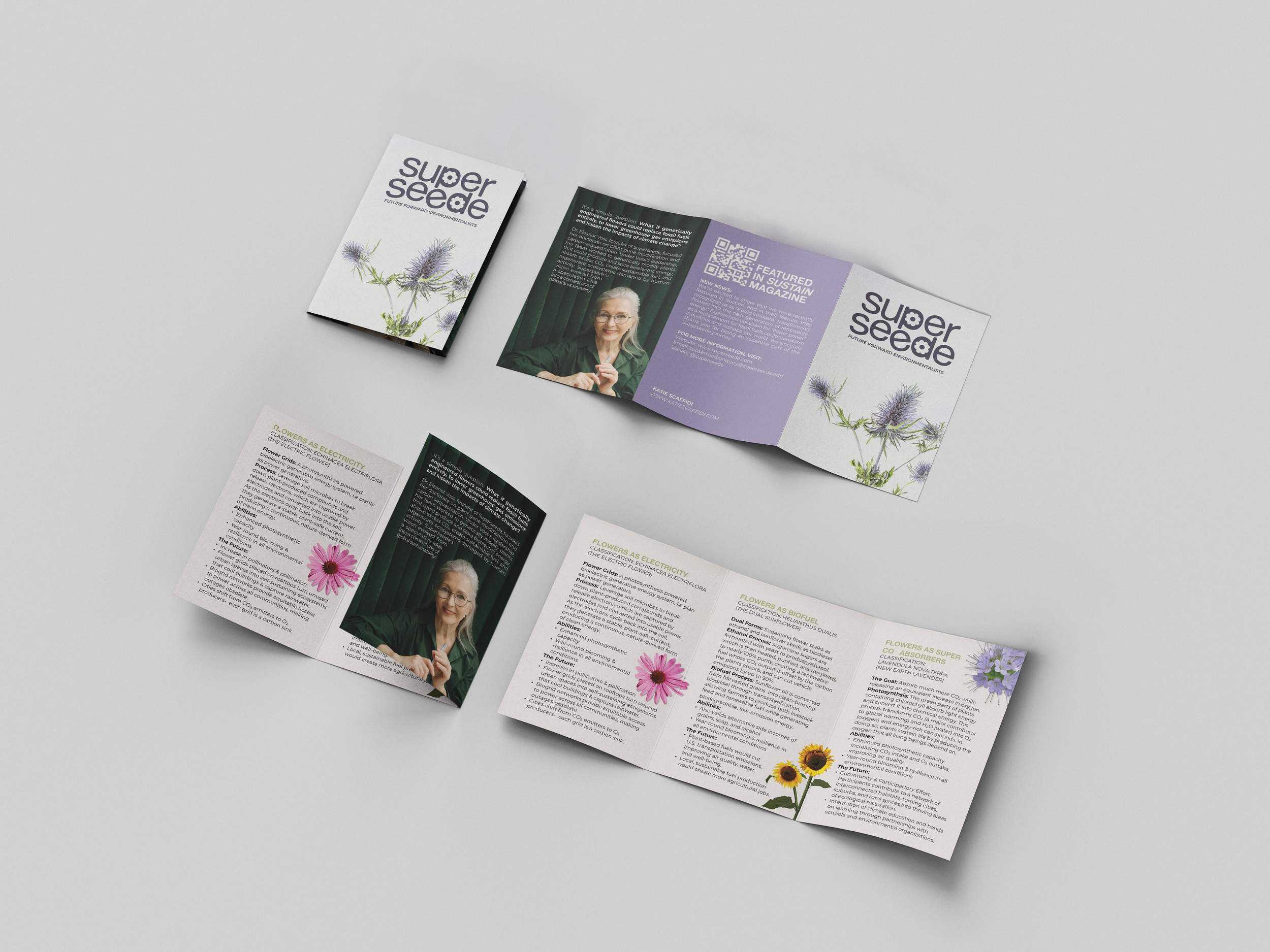
The second piece was a concise informational pamphlet. While the full magazine will be available at the showcase and on the website, the pamphlet provides a brief overview to help audiences quickly understand the purpose and direction of my work.
THE TAKEAWAY
CNVRGE: A SPECULATIVE SHOWCASE
Thursday, December 11, 2025
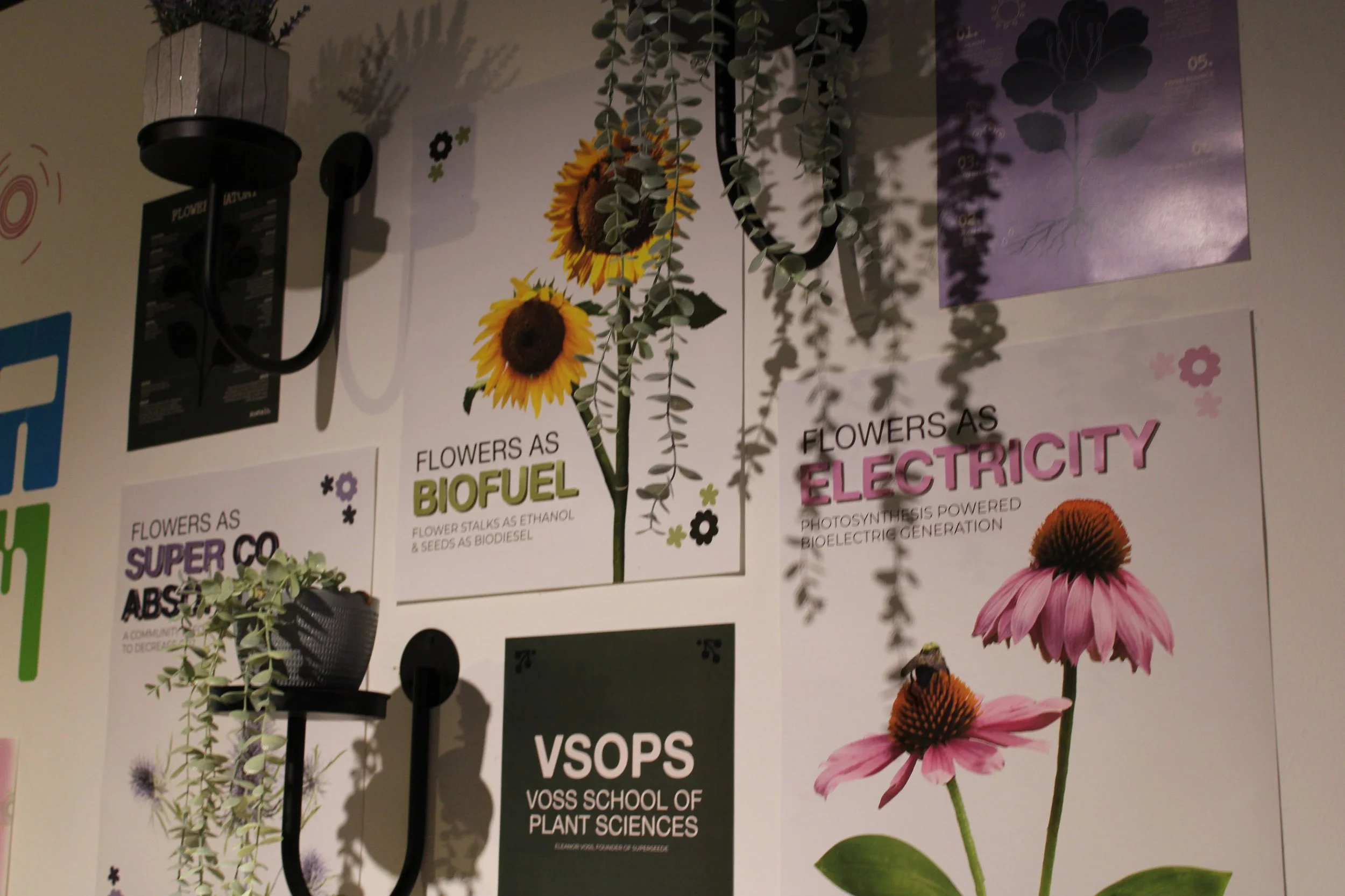
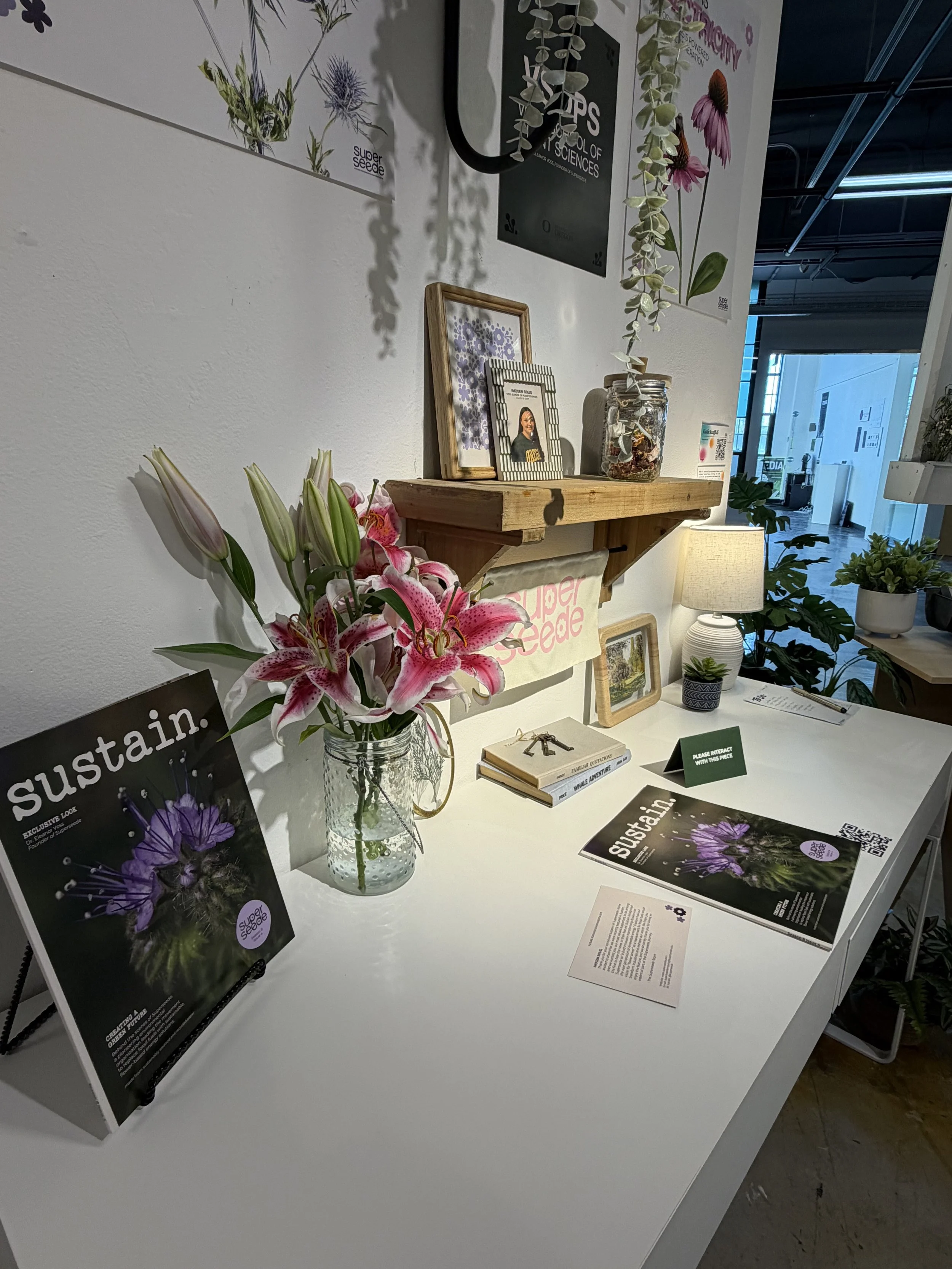
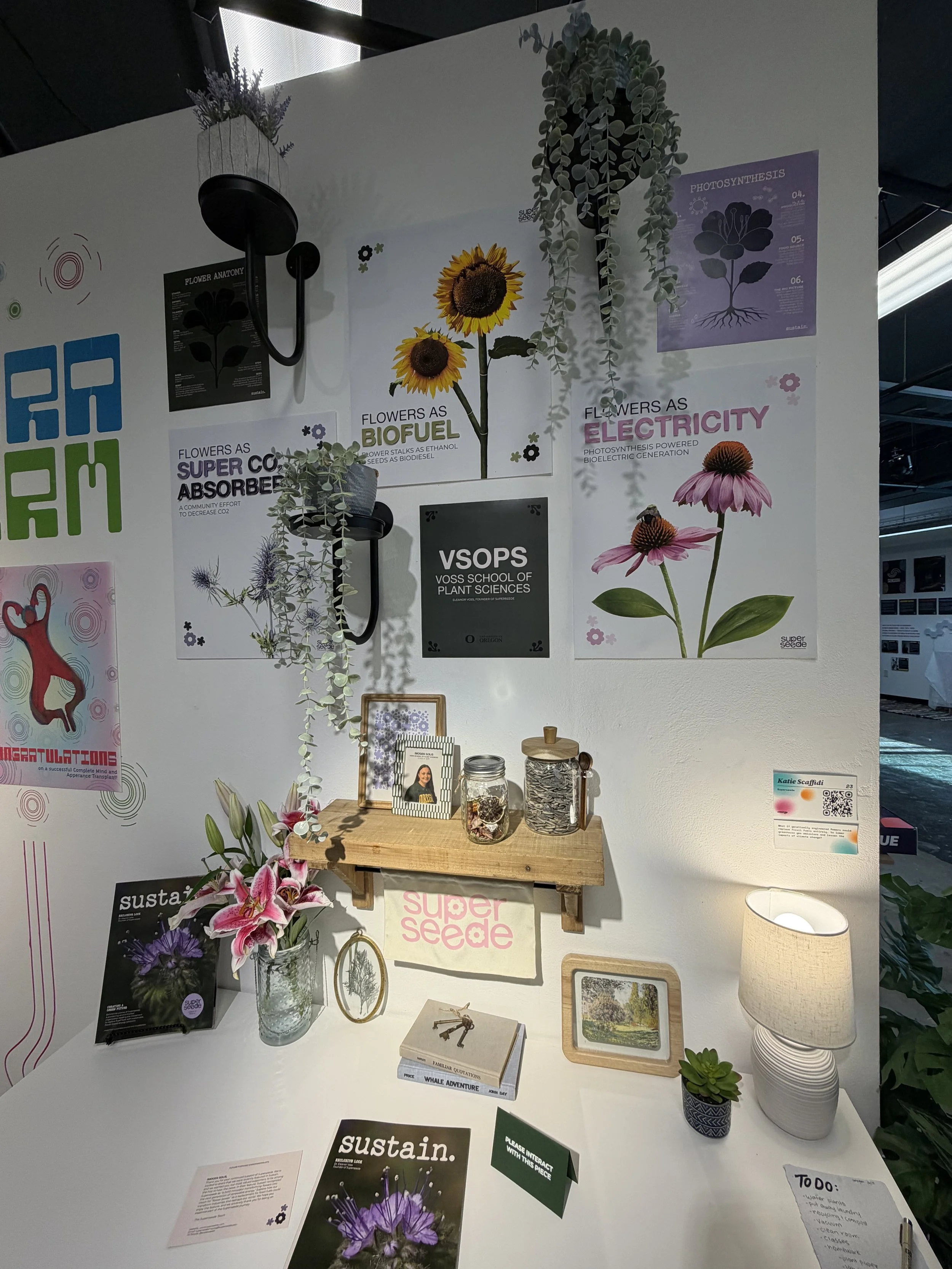
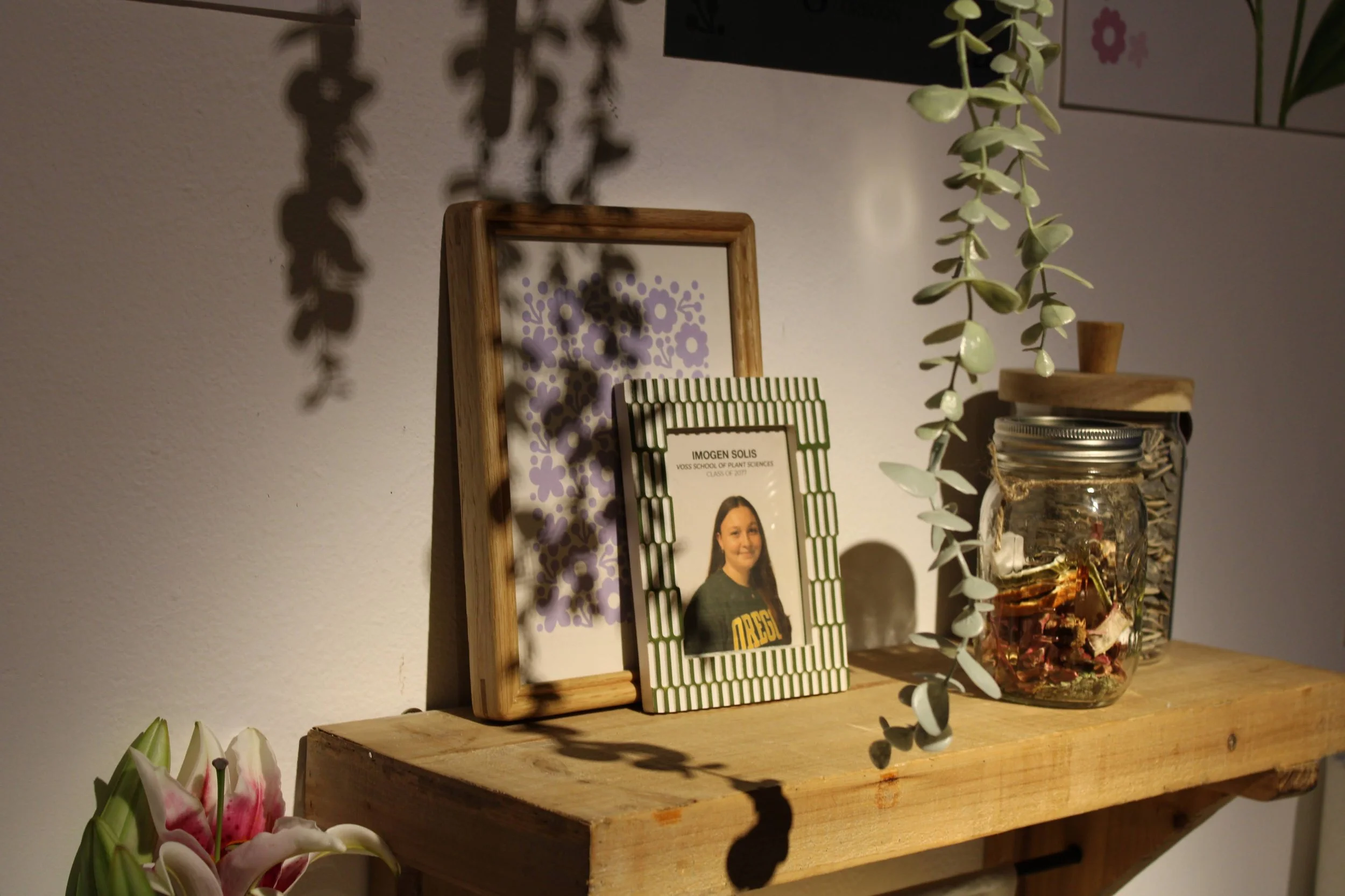
To Superseede, my first large scale semester long showcase:
I’m writing this two days after the exhibit and I am still reflecting on the experience. This project challenged me more than any I have undertaken before, pushing my creative, organizational, and personal limits. While it required significant persistence and dedication through long hours and extensive planning, the result was a body of work I am deeply proud of, one I know I will continue to stand behind for years to come. Although flowers have always been an area of interest for me, I was not initially well-versed in their scientific complexity. To do the project justice, I immersed myself in research in order to thoughtfully honor the past, present, and future of the subject. I intentionally chose a serious topic and sought to present a solution, one rooted in optimism and grounded in the belief that change is possible through collective effort. I am honored to have showcased my work alongside my peers. Each project showed an immense amount of effort, and we all deserved recognition for the work produced this semester. As a wrap on this project, while the process came with challenges, this was truly a dream project. I wouln’t change it for the world, and I am incredibly proud of the outcome. I hope that, in some small way, this work contributes to ongoing conversations around climate change and the possibility for positive impact, even through something as simple and flower power.